

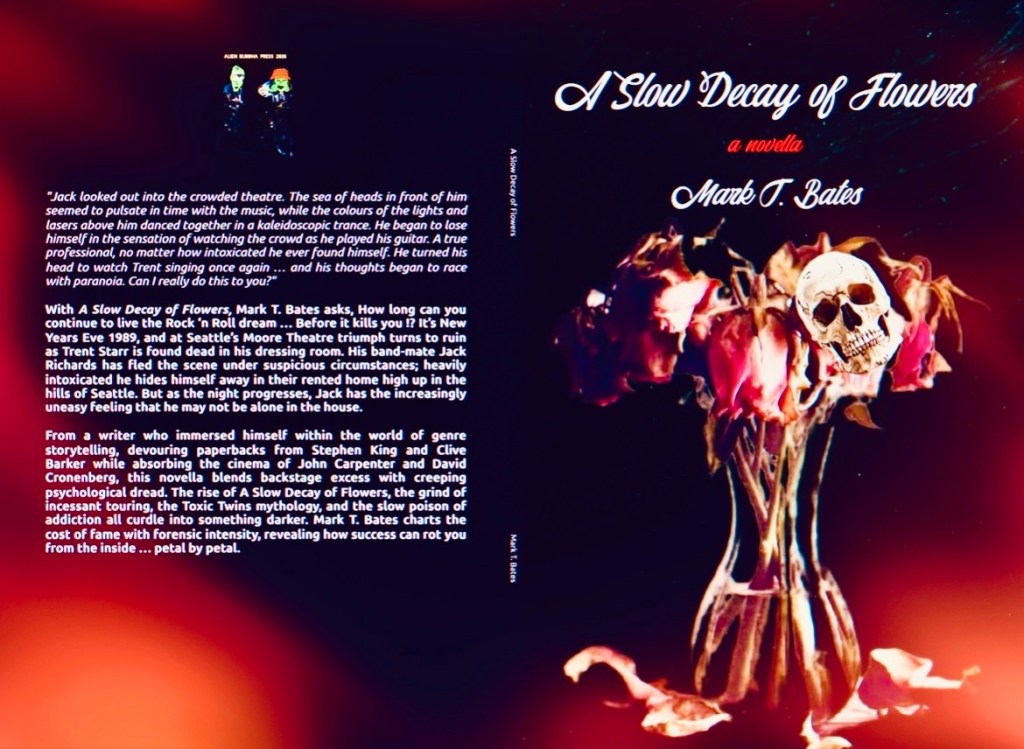
When the Rock ‘N Roll dream … Becomes a nightmare!
Available in paperback & ebook:
https://amzn.eu/d/04OOkIlJ
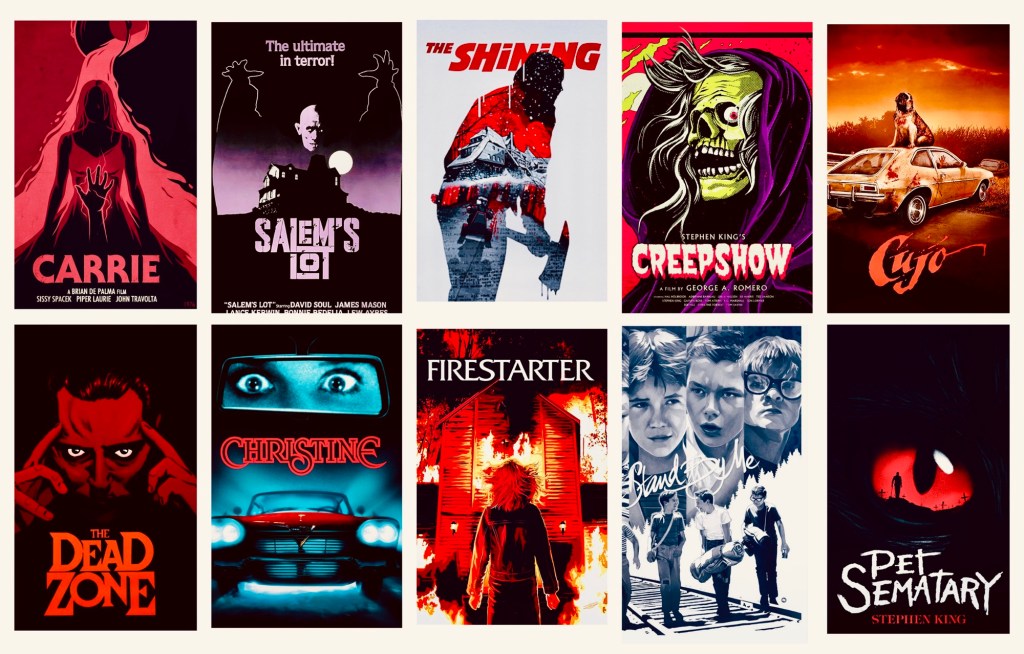
1. // Carrie (1976)
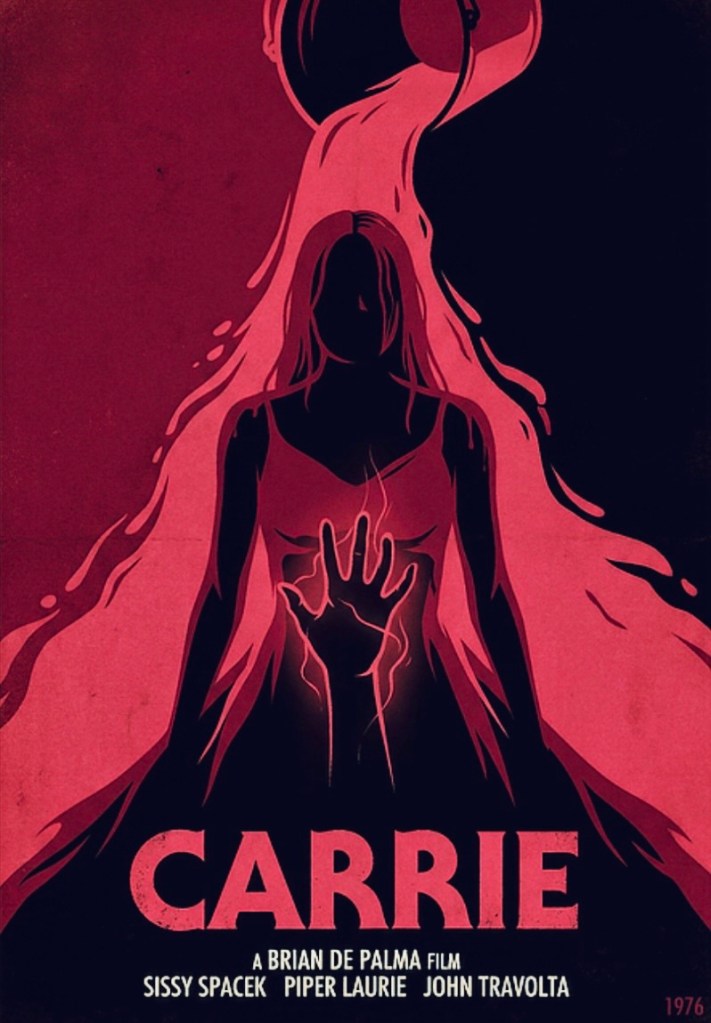
In the early 1970s Stephen King was an unknown writer with a young family. He primarily worked as an English Literature teacher, but also kept a number of other jobs to help keep life afloat. But fuelled by memories of the Horror and Sci-Fi movies he devoured through his childhood, he also wrote and sold short stories to various publications. One such story he began crafting was Carrie. And after initially dismissing the idea and relegating pages of his first draft to the waste paper bin, they were salvaged by his wife Tabitha who was impressed with what she read, and encouraged him to keep writing.
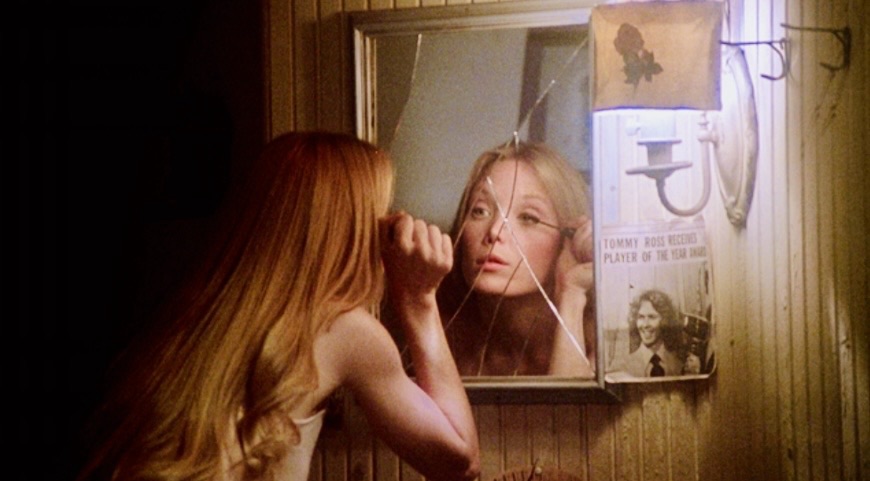
The story would ultimately end up being his published as his first novel, and was released in 1974. A copy of Carrie landed in the hands of Brian De Palma (Scarface / Dressed To Kill); a young up and coming filmmaker at the time who was coming off the back of the Hitchcockian-esq Obsession (1976). De Palma enjoyed the novel, and being interested in dipping a toe in the bustling Horror genre he decided the story would provide the perfect source material for his next feature. The movie was a success for all involved, grossing over thirty times it’s modest $1.8 million budget; subsequently catapulting sales of King’s novel as well as his profile as an author.
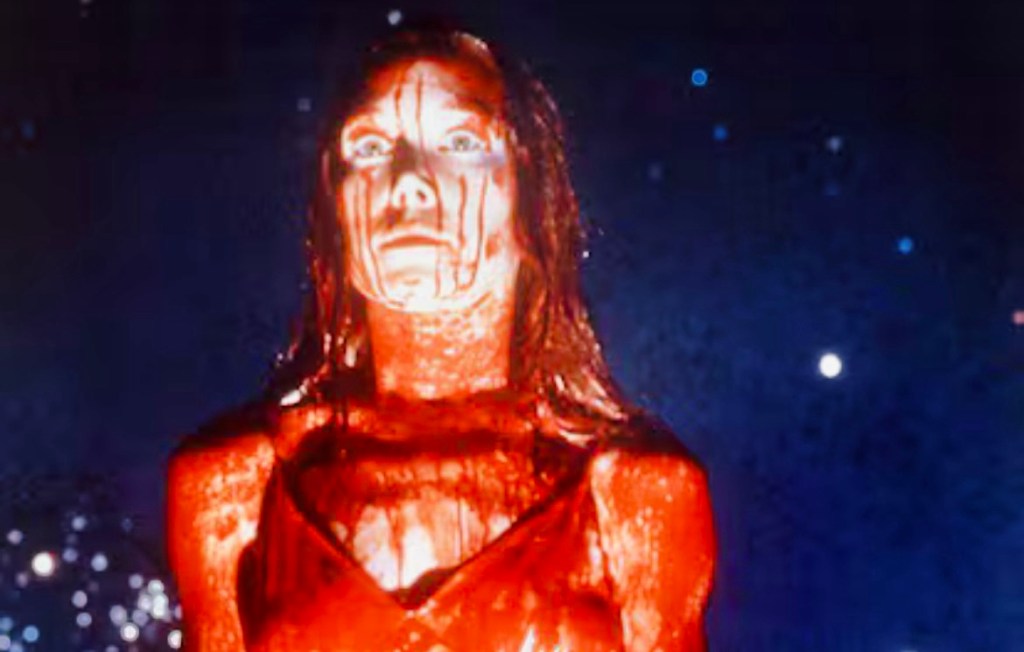
At its heart Carrie is a deep character study, and at times a harrowing depiction of a child who lives under the roof of her abusive and devoutly religious mother Margaret (Piper Laurie). Sissy Spacek provides a masterfully sympathetic portrayal, perfectly playing a vulnerable young woman wishing for nothing more than to to be accepted and loved in this world. She is bullied at school for being different, and in a controversial yet incredibly powerful scene from De Palma, she’s subjected to horrid abuse when she experiences her first menstrual cycle in her school shower. But Carrie has the gift of telekineses which manifests with her rage … and the story culminates in an unforgettable and iconic sequence of Horror at the school prom. KZ
2. // Salem’s Lot (1979)
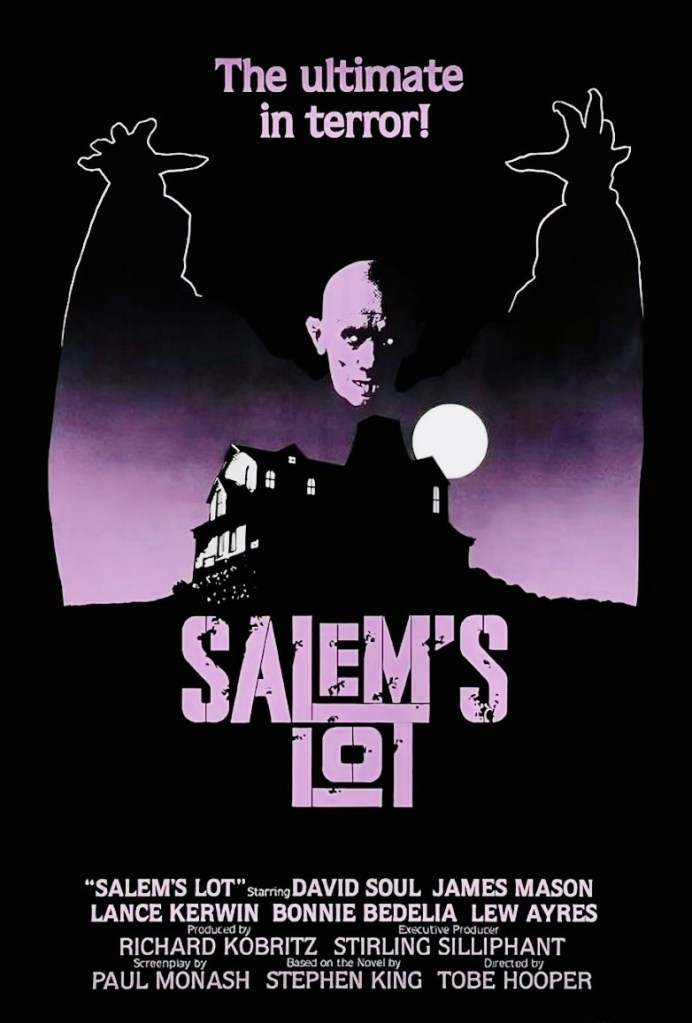
King’s next published novel ‘Salem’s Lot (1975) was inspired by Bram Stoker’s 1897 classic Dracula; with King asking himself what might happen if an old world Vampire came to modern day small town America. The novel was another success, and also grander in size and scope than his debut. It follows multiple characters, with the town of Salem’s Lot itself explored in great detail. The sinister Marsten House and it’s strange new inhabitants are the focal point of King’s tale; a pure Horror story which, following the success of Carrie on the screen, was picked up by Warner Bros; who made the decision that the length of the story would be better suited to a TV miniseries.
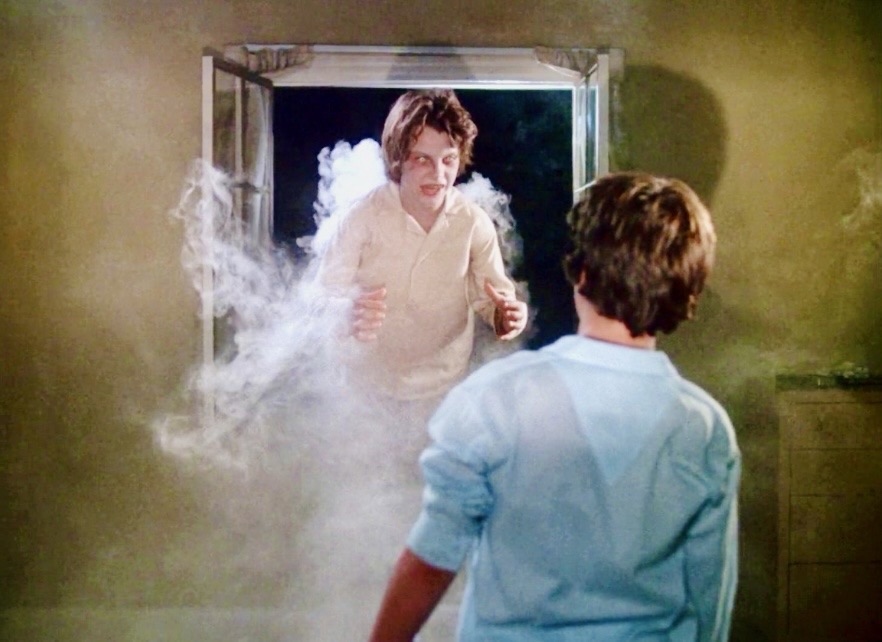
The project was eventually placed into the hands of director Tobe Hooper (Poltergeist); who had made his name with the low budget Grindhouse Horror of The Texas Chainsaw Massacre (1974). David Soul (Starsky & Hutch) plays Ben Mears, a writer who returns to his childhood home town in order to write a book about the Marsten House; a creepy old property which looms over the town and is locally thought of as being haunted. In fact, Mears himself had a supernatural experience as a child when he was dared to enter the house; an experience that continues to haunt his dreams in adulthood.
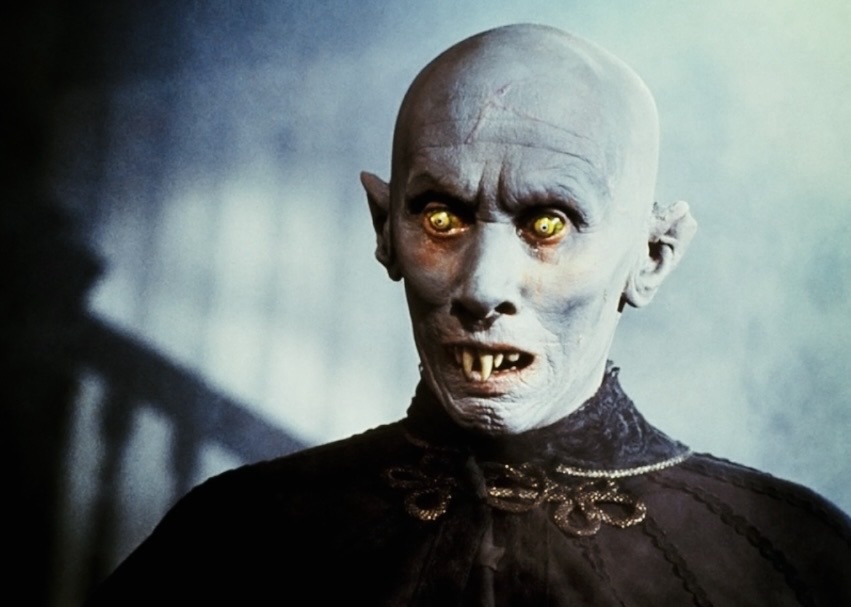
Matters are complicated as the house has recently been acquired by the mysterious Kurt Barlow and his business partner Richard Straker (James Mason), who have also opened an antiques store in town. As Mears connects with local woman Susan Norton, and sparks up a friendship with teacher Jason Burke, a dark cloud looms over the town when it becomes apparent its strange new inhabitants are not as they first seemed. With Salems Lot, Tobe Hooper created a a masterclass of the eerie, using all of its three hours to faithfully adapt as much of King’s novel as possible; with just a few tweaks here and there to keep the story flowing for the screen. KZ
3. // The Shining (1980)
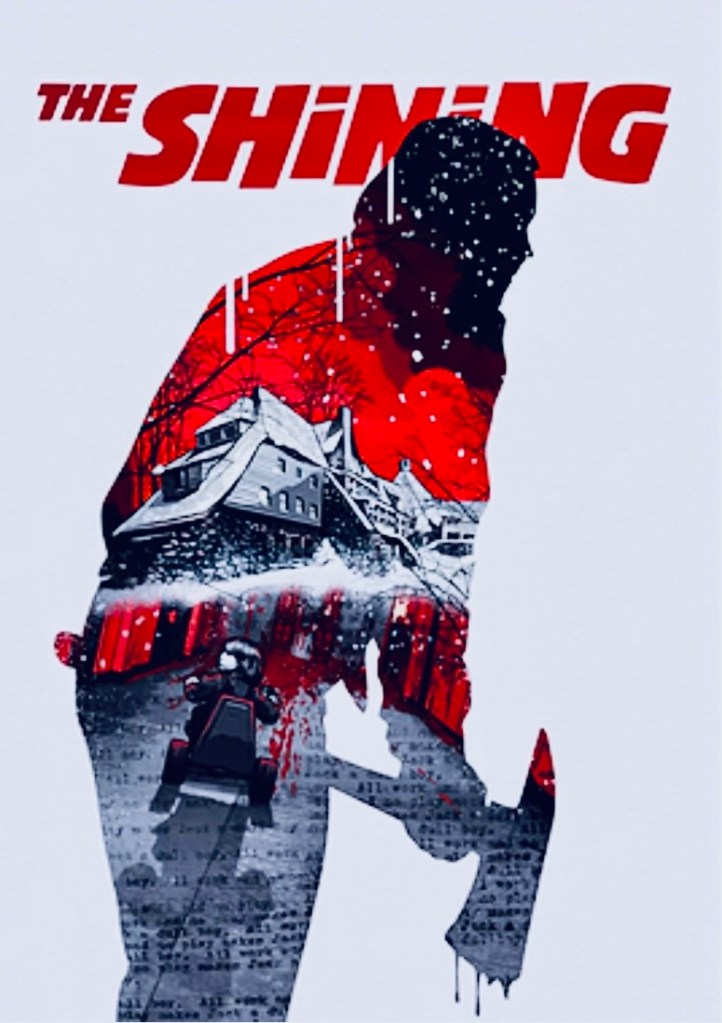
By 1977 Stephen King was becoming a household name, and his third novel – The Shining – became his first best-selling hardcover book; while furthering his reputation as the prominent author of the Horror scene. The Shining was King’s most personal story to date, inspired by his own visit to Colorado’s Stanley Hotel in 1974 – an experience which would provide the spark of an idea for the setting of his book, The Shining tells the story of a writer struggling with alcoholism, just as King was at the time and would do so for another decade or more. Telling the tale of Jack Torrance, who takes the job of winter caretaker at the vacated and isolated Overlook Hotel; with the idea that he will also be able to write while he is there.
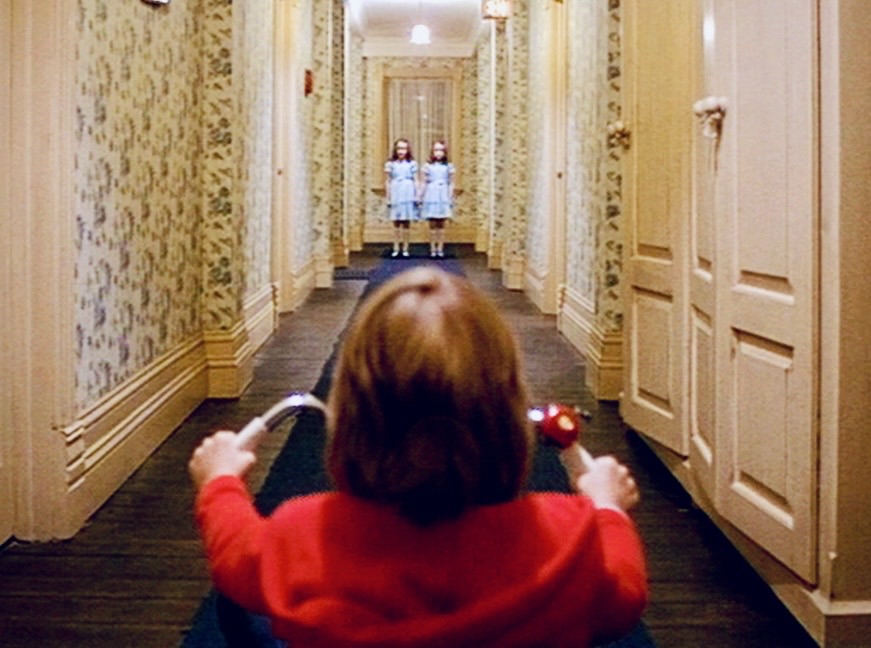
His wife Wendy and son Danny join him in the self imposed isolation, but it transpires that the hotel is haunted by a violent history; while Danny has a special gift which enables him to telepathically shine and tap into the realms of the supernatural. Meanwhile, following the underwhelming response to his period drama Barry Lyndon (1975), revered filmmaker Stanley Kubrick (2001: A Space Odyssey) was looking to create something in the Horror genre that would provide him with a financial success, while also allowing him to further explore his unique creativity.Jack Nicholson (One Flew Over the Cuckoo’s Nest) would play the role of a lifetime as Torrance, a character who heads down the darkest of paths as he succumbs to the will of the hotel and its ghosts within. While Shelley Duvall provides a harrowing performance as his long suffering wife.
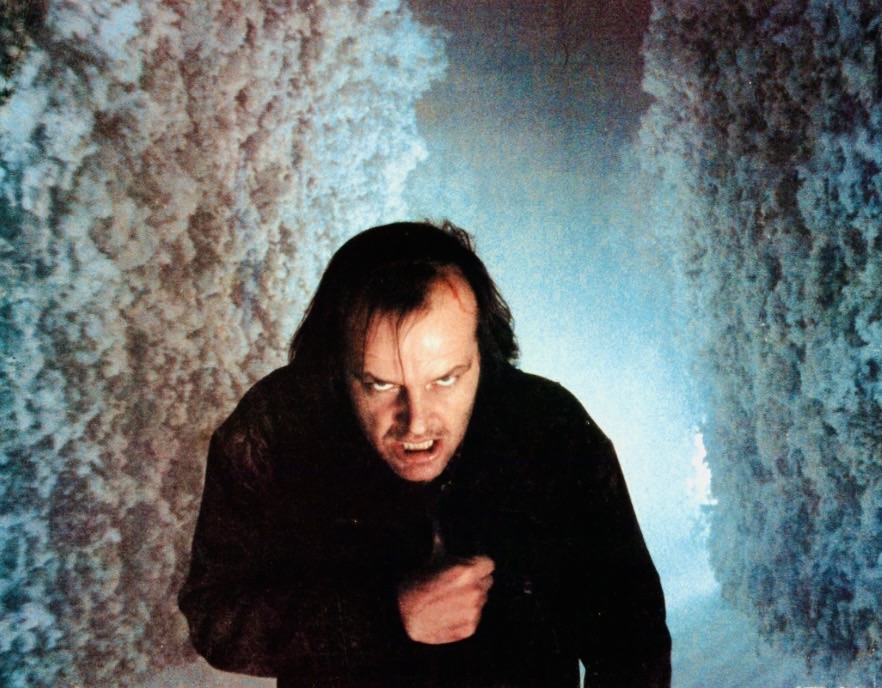
Kubrick’s screenplay would deviate from King’s novel, and famously not always to the author’s liking. However, it cannot be denied that with his interpretation the auteur filmmaker created a masterpiece of Horror cinema. The film provides a plethora of iconic images; from the hotel itself surrounded by a bitter winter landscape, to the visions little Danny has of murdered twin girls. But it may be the character of Jack Torrance himself who lingers longest in the memory. As his descent into madness and murderous rage provides nothing less than captivating viewing. KZ
4. // Creepshow (1982)
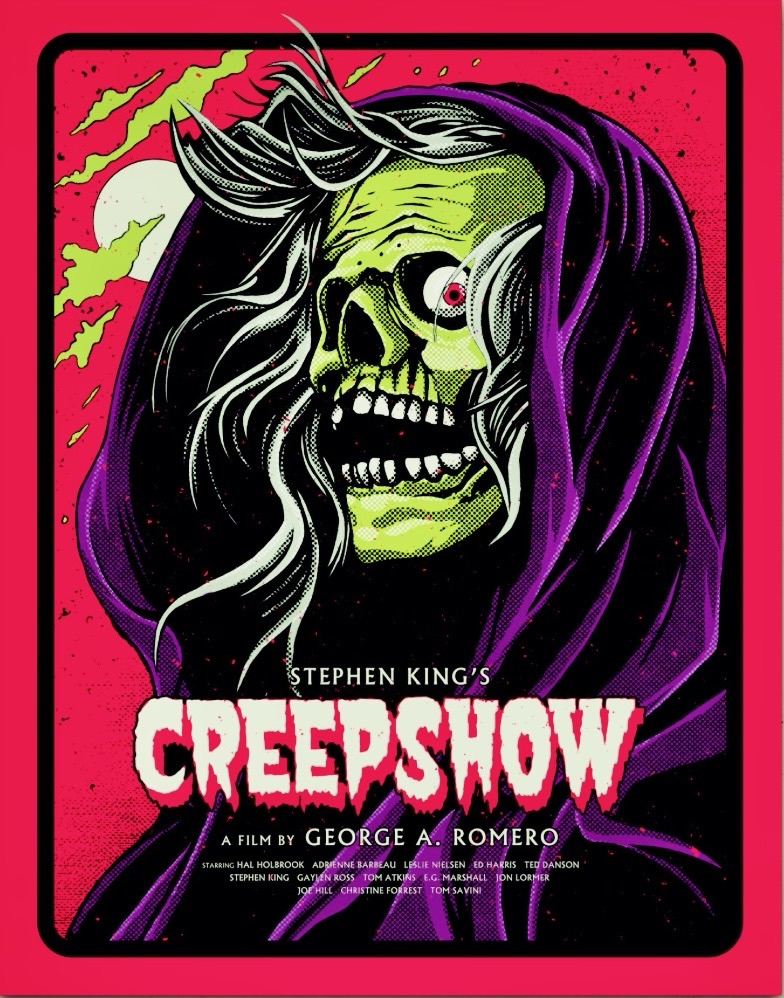
A huge part of Stephen King’s love and fascination with the Horror genre was fuelled by the EC Comics of the 1950s. Comics such as Tales from the Crypt which fuelled his imagination and opened his mind to the possibilities of the weird and wonderful places Horror fiction could go. In the early 1980s with a handful of successful novels and movie adaptations behind him, King would write Creepshow; his first screenplay and a homage to the comics of his childhood. He would draft in none other than George A. Romero (Dawn of the Dead) to direct the movie, an anthology of five tongue-in-cheek Horror stories that would even see King take a starring role in one of the segments.
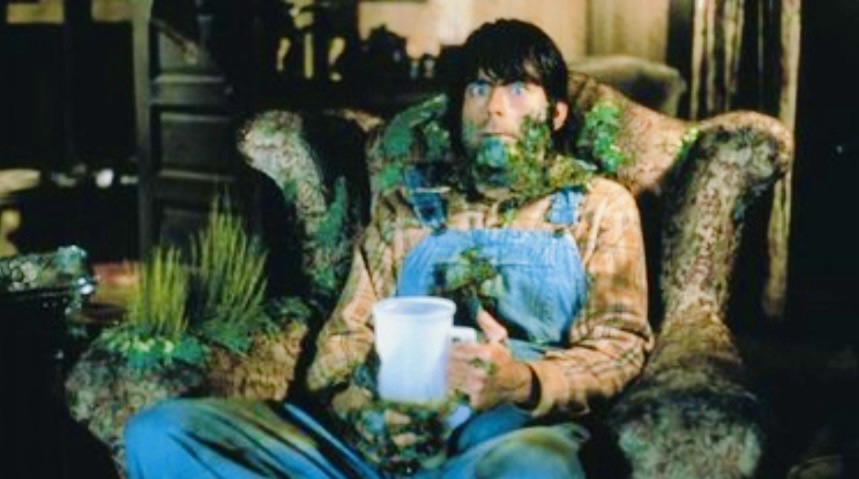
Romero would put together a fine ensemble cast for the movie which is now considered to be a classic of the genre, with Tom Atkins (The Fog / Night of the Creeps) appearing in the wrap around segment with a young Joe Hill (Stephen King’s son). The opening story Father’s Day features Ed Harris (The Trueman Show) and allowed Romero to recreate some of the wonderful zombie imagery he was known for, while King plays the dimwitted title character in The Lonesome Death of Jordy Vale; a simple man who finds himself in a whole load of trouble after discovering a crashed meteorite on his farm.
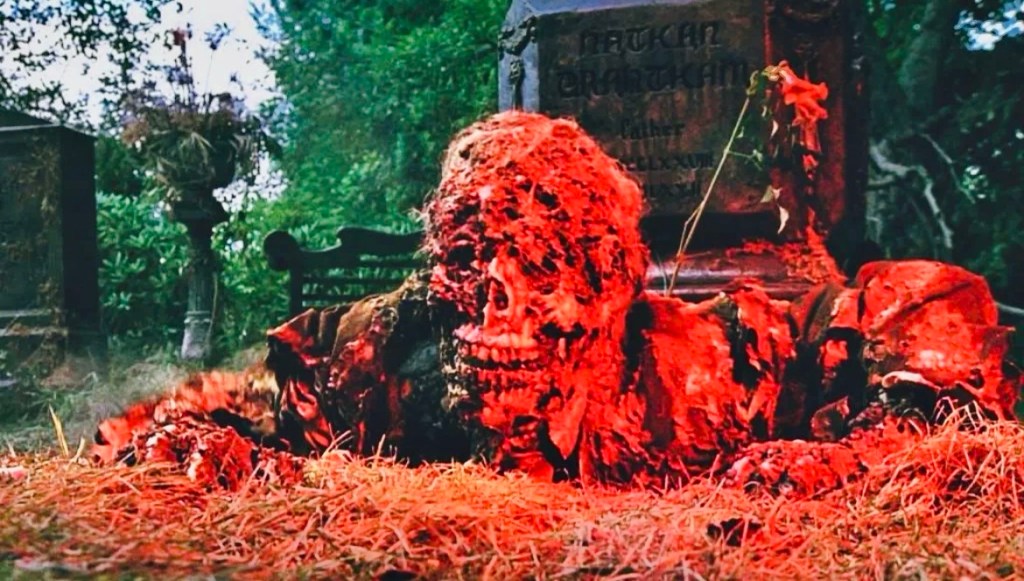
Leslie Nielsen (The Naked Gun) manages to both play it straight and completely ham it up as he seeks revenge on his adulterous wife (Gaylen Ross) and her lover (Ted Danson – Cheers) … before he gets a whole lot more than he bargained for. While The Crate delivers a monster story with Hal Holbrook and Adrienne Barbeau starring as an unhappily married couple. In the final segment, classic Hollywood actor E.G Marshall (12 Angry Men) plays a cantankerous old business mogul, who is slowly driven mad by an infestation of cockroaches in the apartment he is trapped in by his crippling mysophobia. KZ
5. // Cujo (1983)
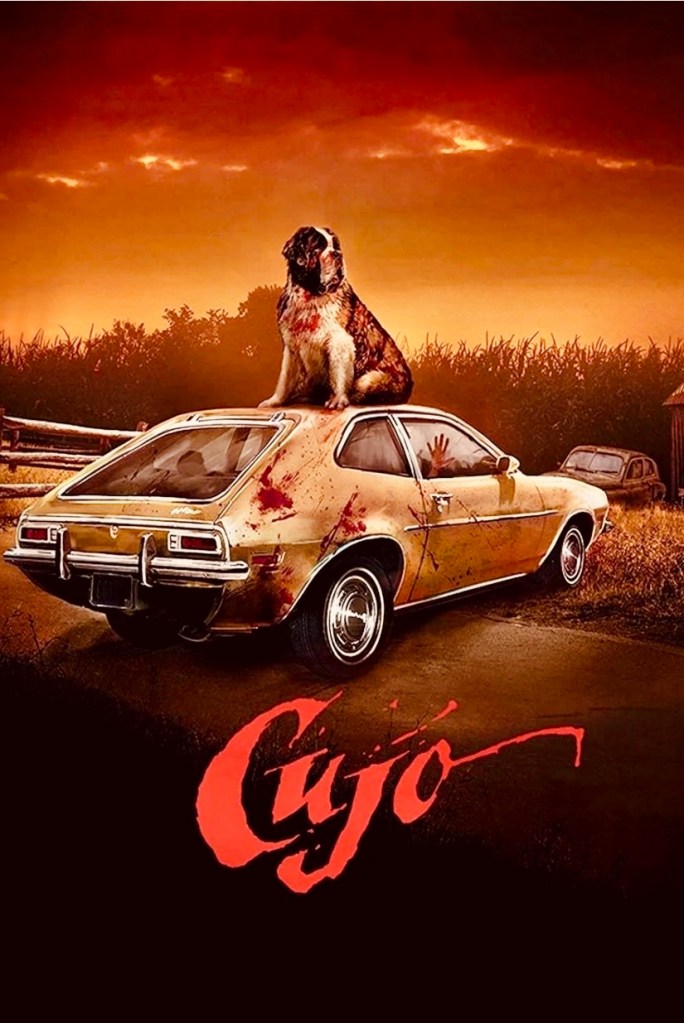
By 1983 it seemed that everything with King’s name attached was headed for success. With a string of best selling books to his name, and recent box office wins with both The Shining and Creepshow, producers were keen to work with the rising author; and we would start to see a sharp increase in his stories hitting the silver screen. Next up was Cujo directed by Lewis Teague (Alligator / The Jewel of the Nile), the story of a mother and son trapped in a car by a rabid dog. Cujo was based on King’s British Fantasy Award winning 1981 novel, his eleventh overall (including releases under his Richard Bachman pseudonym and the 1978 short story collection Night Shift).
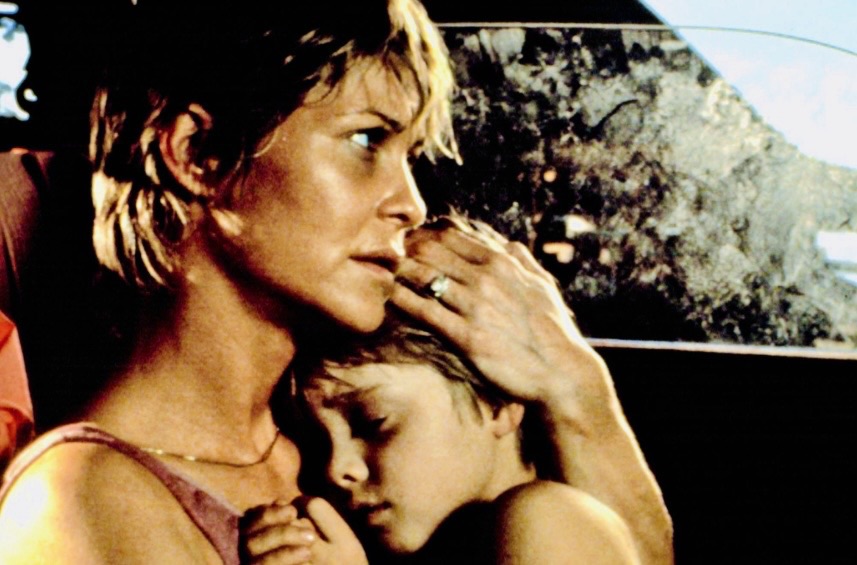
At its heart, the story is one of a family drama, First we meet Cujo – a lumbering giant of a St. Bernard – as he chases a rabbit into a hole where his nose is then bitten by a bat. Then we spend some time getting to know the Trenton family; Vic (Daniel Hugh Kelly), his wife Donna (Dee Wallace – The Howling), and their young son Tad. It transpires that Donna has been having an affair with an old school flame, and naturally the family dynamic is a fragile one. Meanwhile, Cujo is beginning to show disturbing signs of infection caused by the bite he suffered.
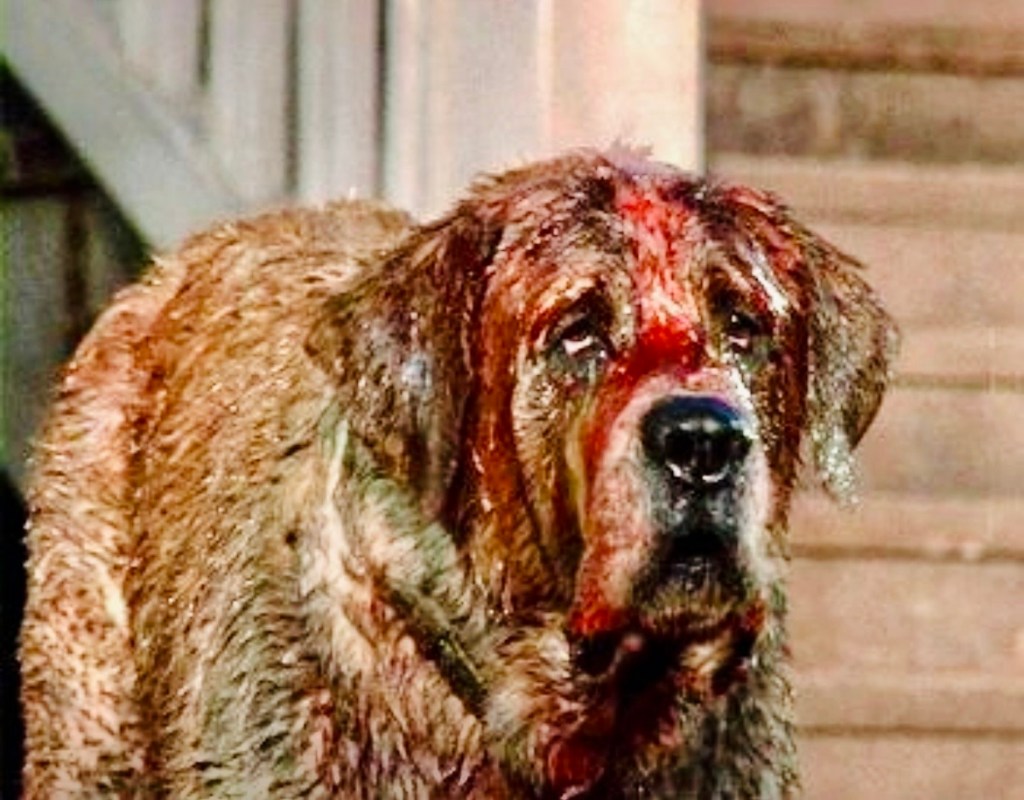
Cujo lives in the rural home of a domestically abusive car mechanic, who Donna is forced to visit with Tad when her car is in need of an urgent repair while Vic is out of town. By this time, Cujo is fully in the midst of his rabies infection having killed his owner. He immediately tries to attack Donna and Tad after they arrive, and the pair subsequently have no choice but to seek solace in their car which will no longer start. They are trapped, and find themselves in a desperate fight for survival against both Cujo (who relentlessly stalks their car), and the elements … as the extreme heat starts to take its toll. KZ
6. // The Dead Zone (1983)
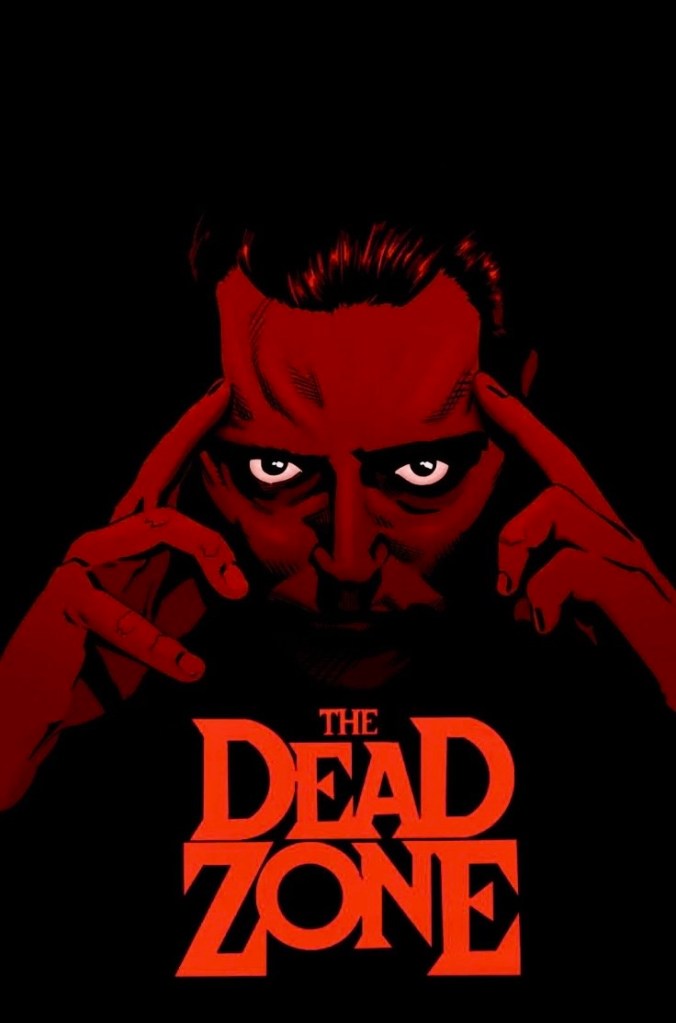
One producer who’d caught the Stephen King bug was Dino De Laurentiis, and just a couple of months after the release of Cujo we were treated to The Dead Zone; from rising Canadian auteur David Cronenberg (The Fly). Cronenberg was establishing himself as a master of Body-Horror, having made films such as Scanners (1981) and Videodrome (1983); and King’s 1979 novel The Dead Zone would prove to be a perfect fit for the filmmaker. A dark Sci-Fi thriller about a man who following a car accident spends five years in a coma, awaking to find he has psychic powers; and upon touching a person can experience visions of their past, present, and future.
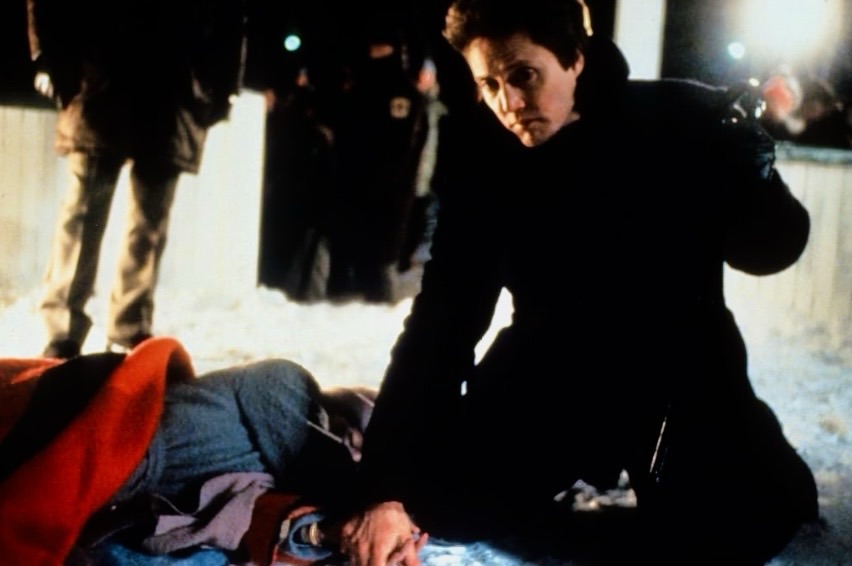
Christopher Walken (The Deer Hunter) stars as Johnny Smith, an English teacher who we first meet reading Edgar Allen Poe’s The Raven to his class; before he heads out on a date to a fairground with his girlfriend Sarah (Brooke Adams – Invasion of the Body Snatchers). Whilst on a rollercoaster ride he suffers an unexplained headache, and it’s after dropping her home and declining her offer to stay – “some things are worth waiting for” – that he suffers the car accident. Johnny wakes up under the care of Dr. Sam Weisak (Herbert Lom – A Shot in the Dark), and upon discovering his new found gift attempts to rebuild his life.
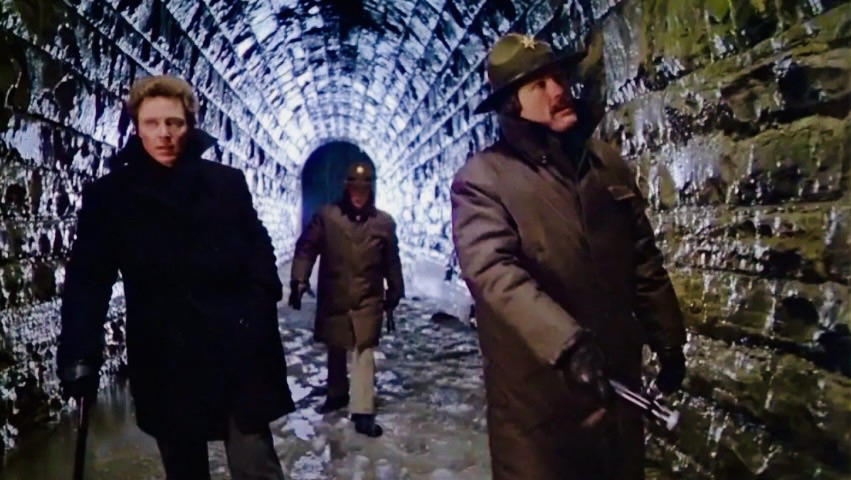
Johnny is distraught to find that Sarah is married and has a child, although they reconnect as friends albeit with one intimate moment to hark back to the last words he said to her five years earlier. From here his abilities are used to help the local police force identify a vicious serial killer, before we follow Johnny and the various circumstances his strange new powers lead him to. Ultimately, Johnny is faced with an existential crises, as he must make a life changing decision when he comes into contact with corrupt politician Greg Stillson (Martin Sheen – Apocalypse Now), and glimpses into a terrifying future for mankind should he ever become president. KZ
7. // Christine (1983)
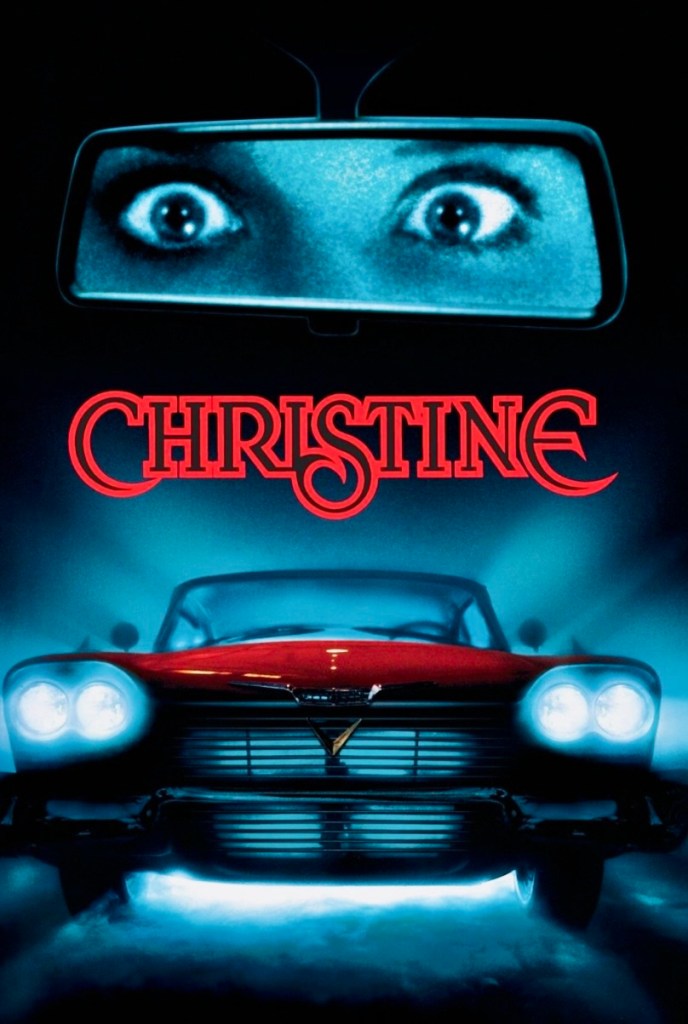
With Christine, we would see the third classic Stephen King movie land in 1983. This time, it was Horror-Master John Carpenter (Halloween / The Fog / The Thing) at the helm, now joining a distinguished and growing list of fine directors who had adapted King’s work. Both the novel and film would be released in the same year; telling the story of a 1958 Plymouth Fury possessed by evil. While in the book the car is haunted by the spirit of a former owner, in the movie it just simply exits as it is … A sentient being; born “Bad to the Bone!”
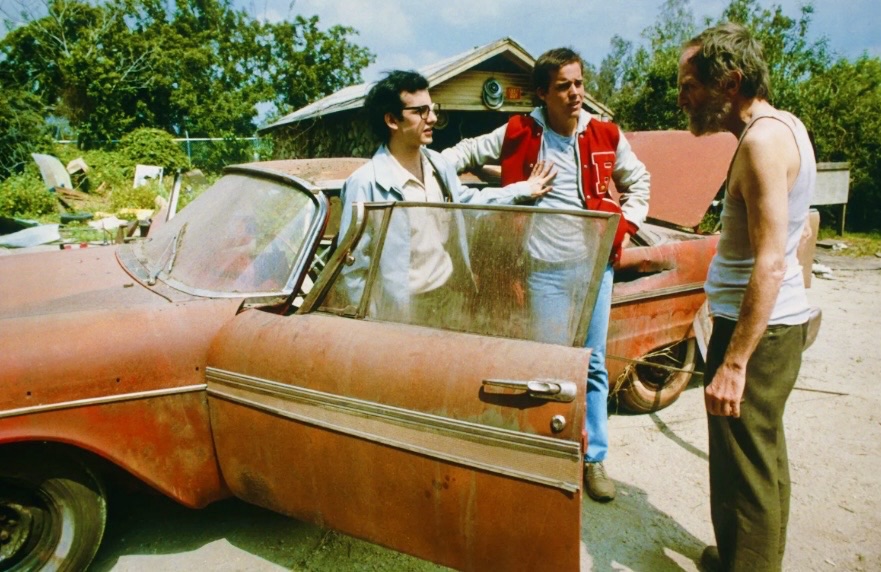
Keith Gordon (Jaws 2) stars as Arnie Cunningham, a nerdy teenager who is somewhat of an outcast and horrifically bullied at high school by a ruthless gang. The year is 1978, and Arnie is a marked man when following an incident between them, gang leader Buddy is expelled from school after being found in possession of a switchblade knife. Meanwhile, Arnie and his friend Dennis (John Stockwell – Top Gun) come across the dilapidated twenty-year-old Christine for sale. The car seems to immediately have some kind of a hold over the troubled teenager; and Arnie decides that he is going to buy and renovate her.
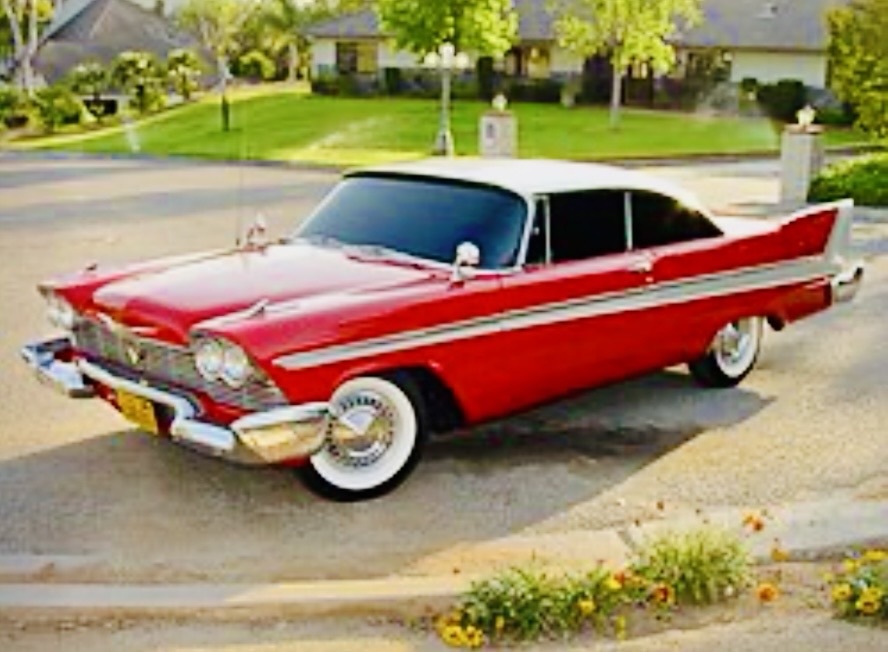
Over the time that Arnie spends with Christine, he begins to change as a person. He becomes more confident and starts a relationship with the new girl in school Leigh (Alexandra Paul – Dragnet). But now fully restored, Christine appears to become jealous at having to share Arnie’s attention. In one of the movie’s all time great scenes, we see her supernatural powers fully on display as Christine magically repairs herself after being vandalised by Buddy and his gang. Events then hurtle to a devastating climax as Arnie spirals downwards, and seeks revenge on those who have wronged him; while those who love him battle to save his soul. KZ
8. // Firestarter (1984)
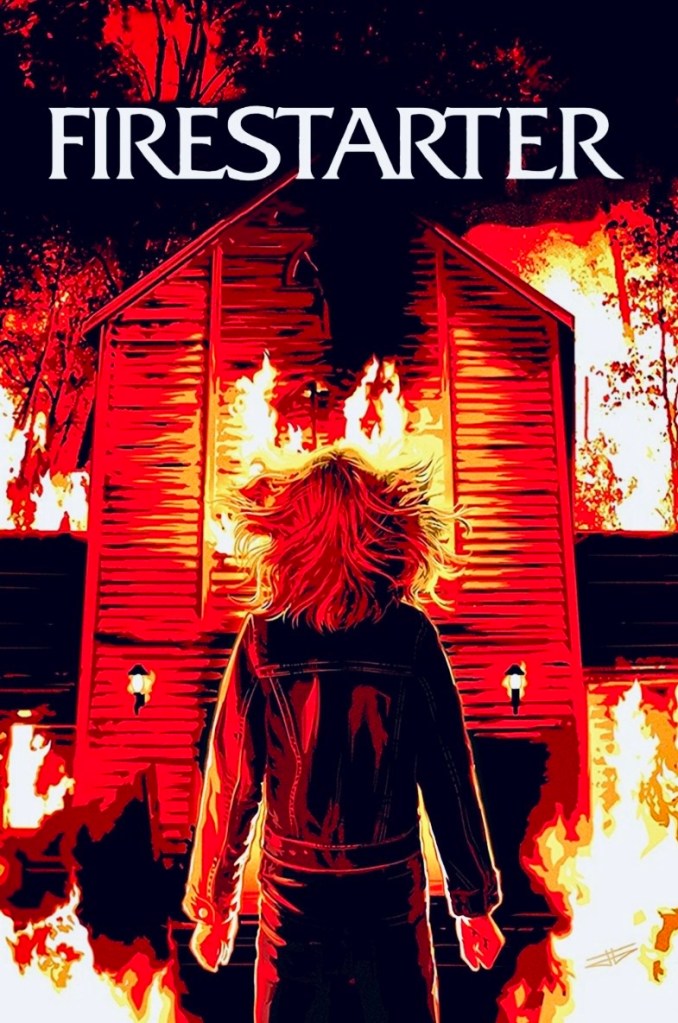
The De Laurentiis conveyor belt of King adaptations rolled on with the arrival of Firestarter in 1984. Directed by Mark L. Lester (Commando) and based on the 1980 novel, the film was originally scheduled to be made by John Carpenter prior to him taking on Christine. However when his 1982 cult classic Horror – The Thing – failed dismally at the box office, he was let go from the project. Lester did a fine job however, creating a wonderful father and daughter relationship between Andy (David Keith – An Officer and a Gentleman) and Charlie (Drew Barrymore – E.T. the Extra-Terrestrial).
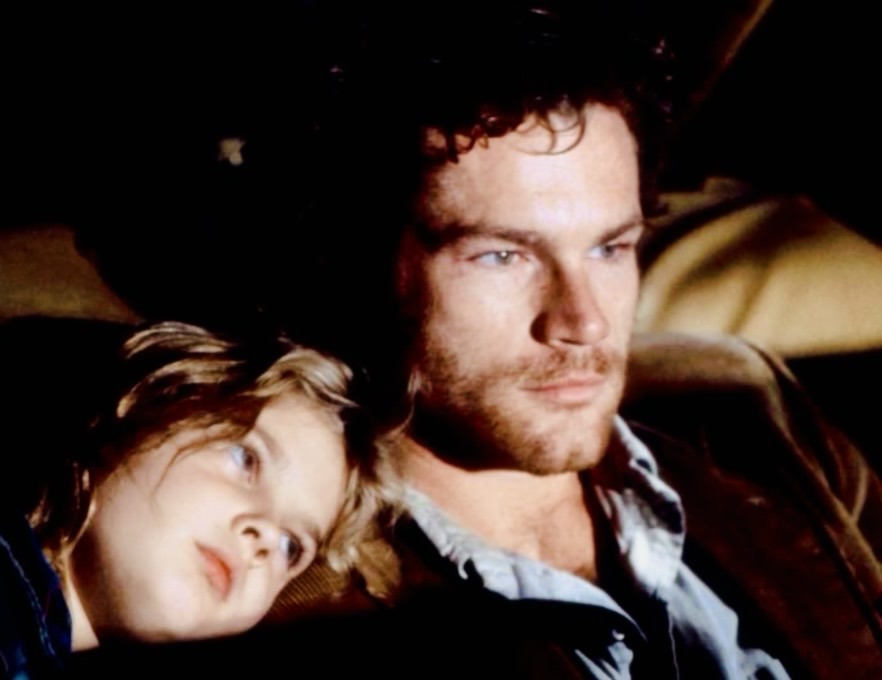
As is a common theme with King’s work, Charlie is a human possessed with a special ability; this time pyrokinesis, the ability to start fires with her mind. This is a result of her father Andy and mother Vicky (Heather Locklear) volunteering for an experiment when college students; where they were given a hallucinogen called Lot-6 by a shady government agency known as The Shop which left them both with telepathic abilities. As she grows, the pair try and teach Charlie how to control her powers; but one day Andy returns home from work to find Vicky has been murdered, and Charlie has been abducted by the same shadowy agency that experimented on him.
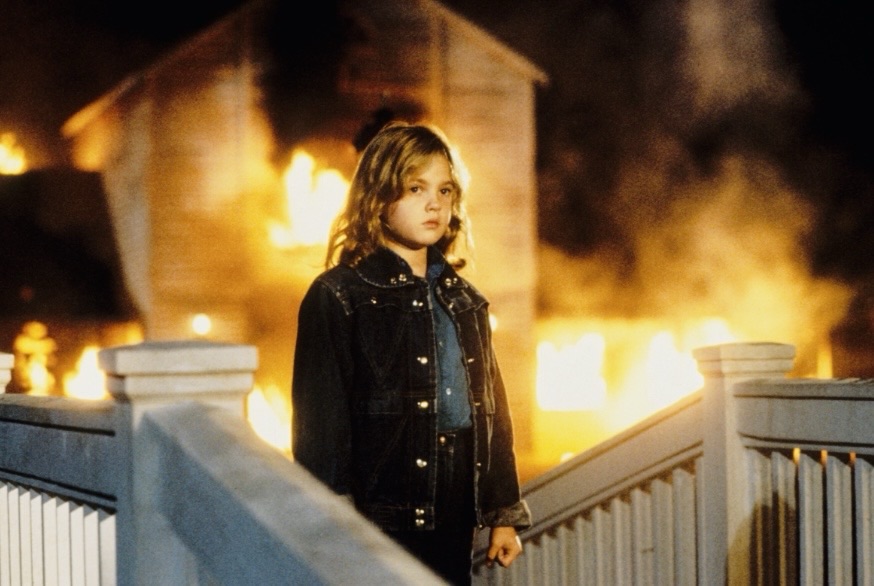
He rescues her, and they escape using their abilities to embark on a life on the run. But are eventually both recaptured by a clever and highly skilled agent (George C. Scott – The Changeling), where they are taken and held separately in a secure facility. Here, The Shop aim to control, harness, and ultimately weaponise the young girls ability. Firestarter feels like a kindred spirit to The Dead Zone, as well as Carrie, and would prove to be another vehicle which showcased the impressive child acting talents of Barrymore. The film would eventually be remade some 38 years later with Zac Efron (17 Again) and Ryan Kiera Armstrong (Star Wars: Skeleton Crew) taking on the roles of Andy and Charlie. KZ
9. // Stand By Me (1986)
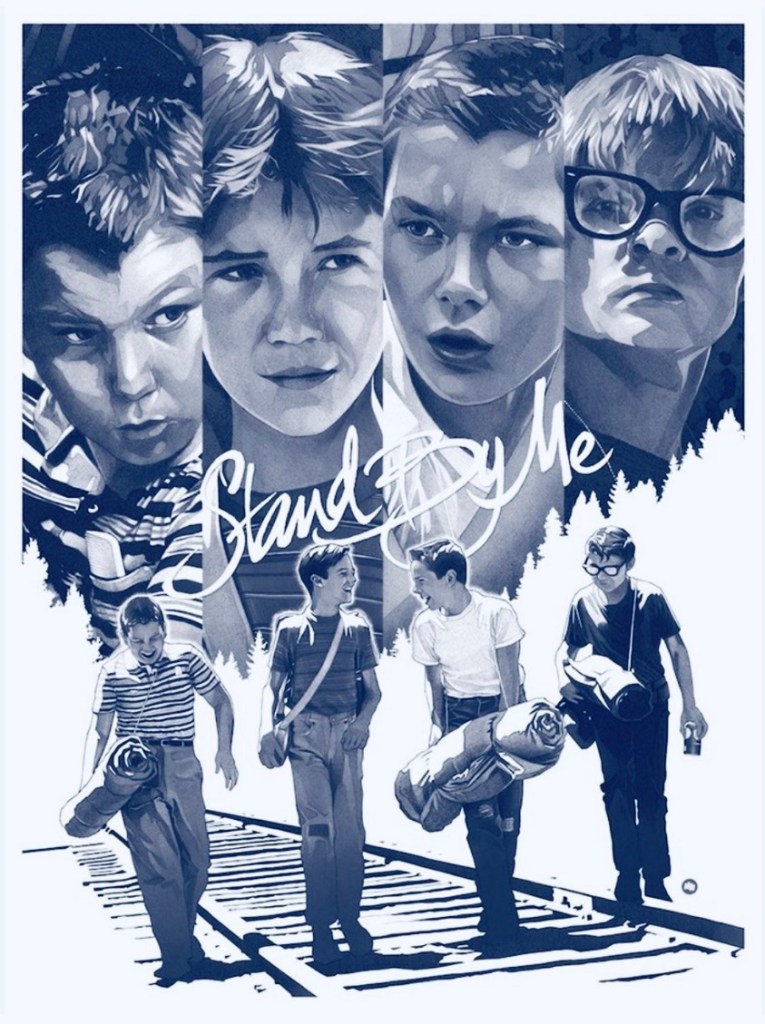
In 1982 Stephen King released Different Seasons, a collection of four novellas which were not typically Horror, but were instead a variety of Horror adjacent dramatic yarns. The tales were Rita Hayworth and Shawshank Redemption, Apt Pupil, The Body, and The Breathing Method. All strong stories with enormous potential for the screen, with the first to be adapted being The Body aka Stand By Me. A 1950s set coming of age drama which landed in the lap of director Rob Reiner (This Is Spinal Tap / Misery).
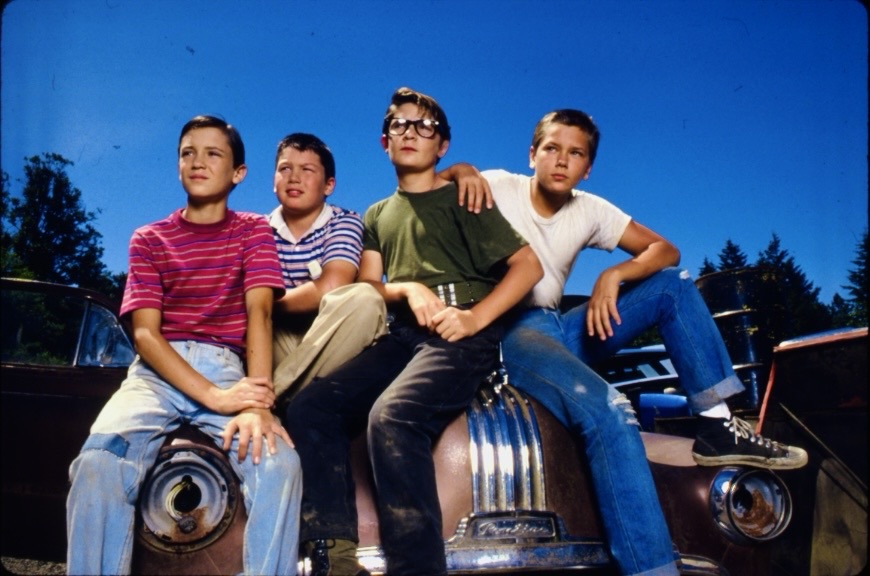
The movie tells the story of four young friends who embark on an adventure to find and recover the body of a missing boy; who is believed to have been hit by a train. The story is told in flashback by Gordie Lachance (Richard Dreyfuss – Jaws), as he reminisces over the life changing journey he and his three closest friends at the time took. The younger Gordie (Will Wheaton) comes from a home dealing from the death of his older brother. Chris (River Phoenix) and Teddy (Corey Feldman) both come from broken homes of sorts, and Vern (Jerry O’Connell) is that one friend who is usually the butt of a joke.

Hot on the tail of finding the body are also a gang of older bullies, including Ace (Kiefer Sutherland) and Chris’s older brother Eyeball (Bradley Gregg). Queue a number of unforgettable set pieces as the young friends embark on their quest, in what proved to be an incredibly heart warming and often touching tale. Stephen King himself rates Stand By Me as one of the best adaptations of his work, while the film was a success in the box office raking in over $50 million on a production budget of around $7.5 million. KZ
10. // Pet Sematary (1989)
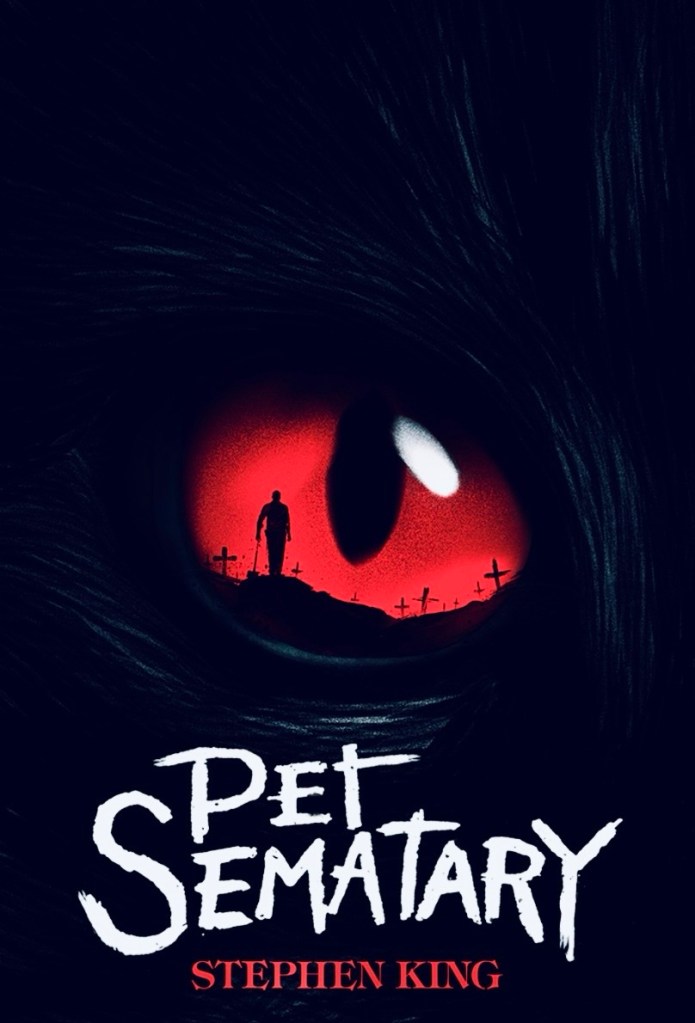
At one time or another King felt the subject matter within his manuscript Pet Sematary was one step too far for publication. He held onto the story for sometime before eventually putting it forward for release in 1983 to great acclaim; soon finding out he’d been wrong to keep it under the table for a number of years while receiving a 1984 World Fantasy award nomination in the process. It is one of King’s most overtly Horror tales, telling the story of Louis Creed (Dale Midkiff); a doctor who moves his family to rural Maine after taking up a position at a local university.
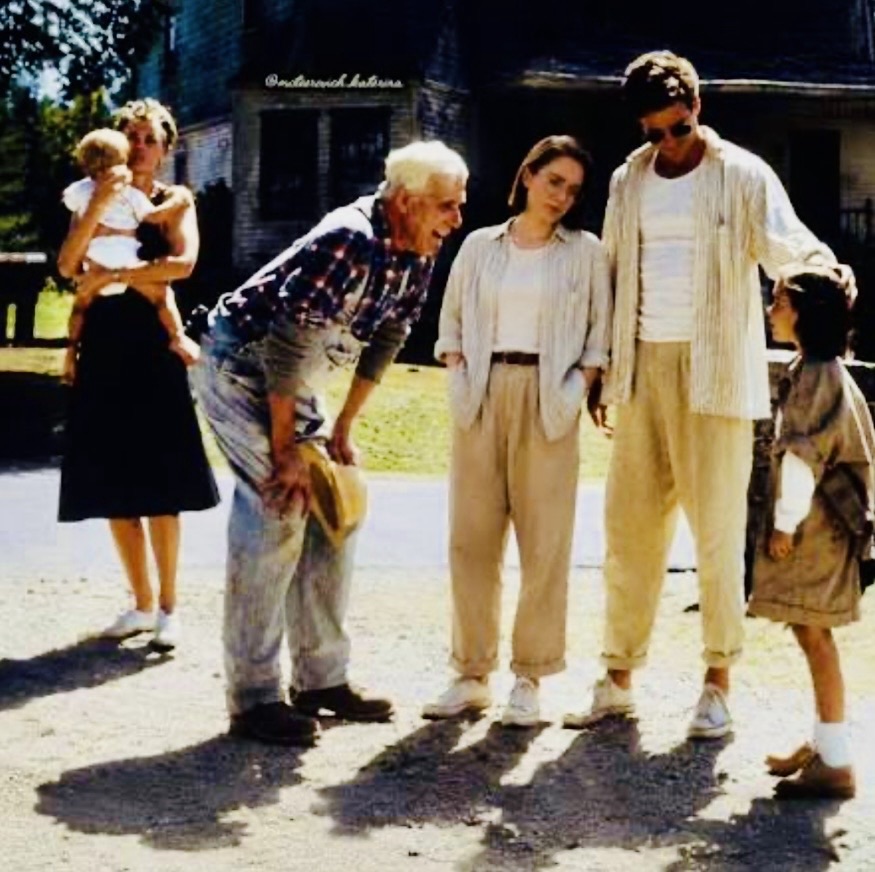
He moves with his wife Rachel (Denise Crosby), their young daughter Ellie (Blaze Berdahl), and their toddler Gage (Mike Hughes). The house they have bought sits on a busy highway, and their kindly old neighbour Jud (played by Herman Munster himself Fred Gwynne) warns them of the dangers of the road, while also making them aware of a pet cemetery sitting to the rear of their property. When the rest of the family are away for thanksgiving their cat Church is run over and killed. In order to save Ellie from heartache, Jud takes Louis to an ancient burial ground on sacred land beyond the pet cemetery, advising him that the ground has the power to bring Church back … While also warning him that “sometimes dead is better.”
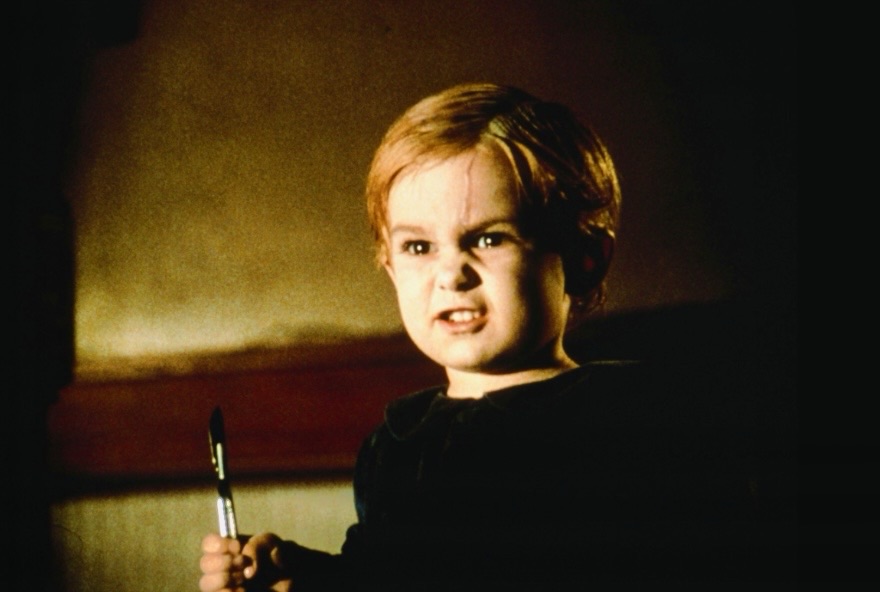
Church is indeed resurrected, but Louis can tell the difference as the cat is not as it was. He then faces the ultimate decision when in a harrowing turn of events, his baby son Gage is also killed on the highway when he chases a kite from their garden. Louis naturally chooses to bring his son back from the dead … with devastating consequences for all. Pet Sematary was another hit at the time earning over five times its reported $11 million budget, and is one of King’s darkest yet most renowned stories. It was directed by Mary Lambert who was best known for making music videos for the likes of Madonna and Janet Jackson at the time; but she would also go on to develop and direct Pet Sematary II (1992) – a new standalone story inspired by King’s tale. KZ
Words By Mark T. bates
🔥🔥🔥🔥🔥🔥
Available in paperback & ebook:
https://amzn.eu/d/084XlNSW


Leave a Reply