
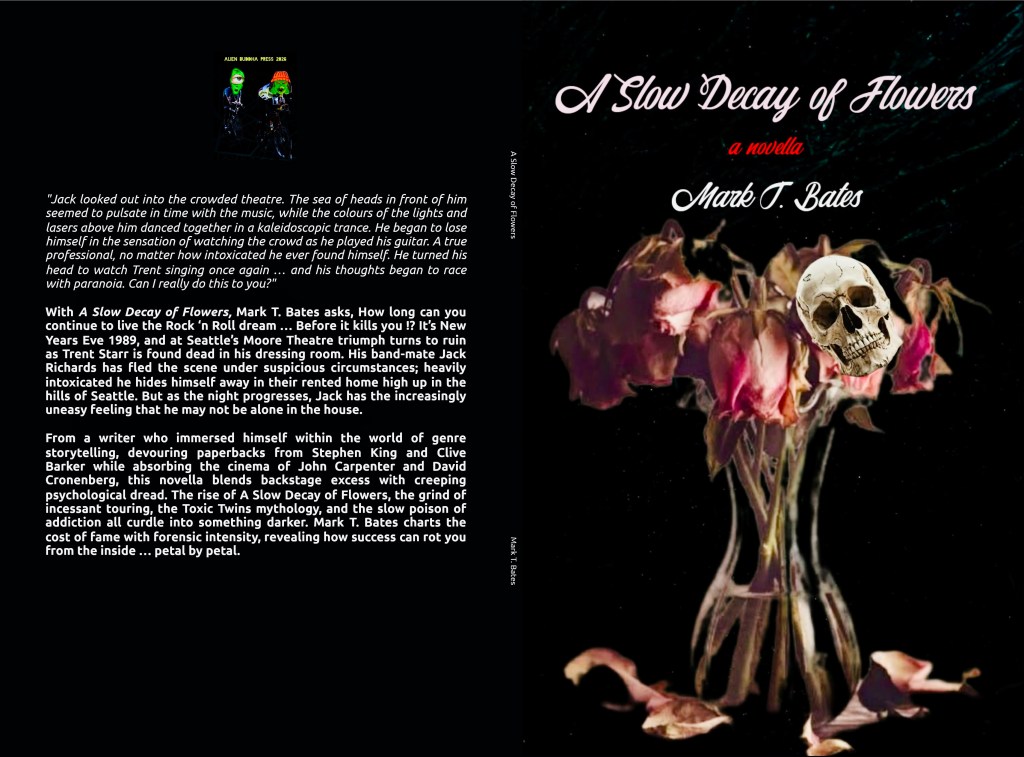
‘A Slow Decay of Flowers’ – available in paperback:
https://amzn.eu/d/099OIJ80
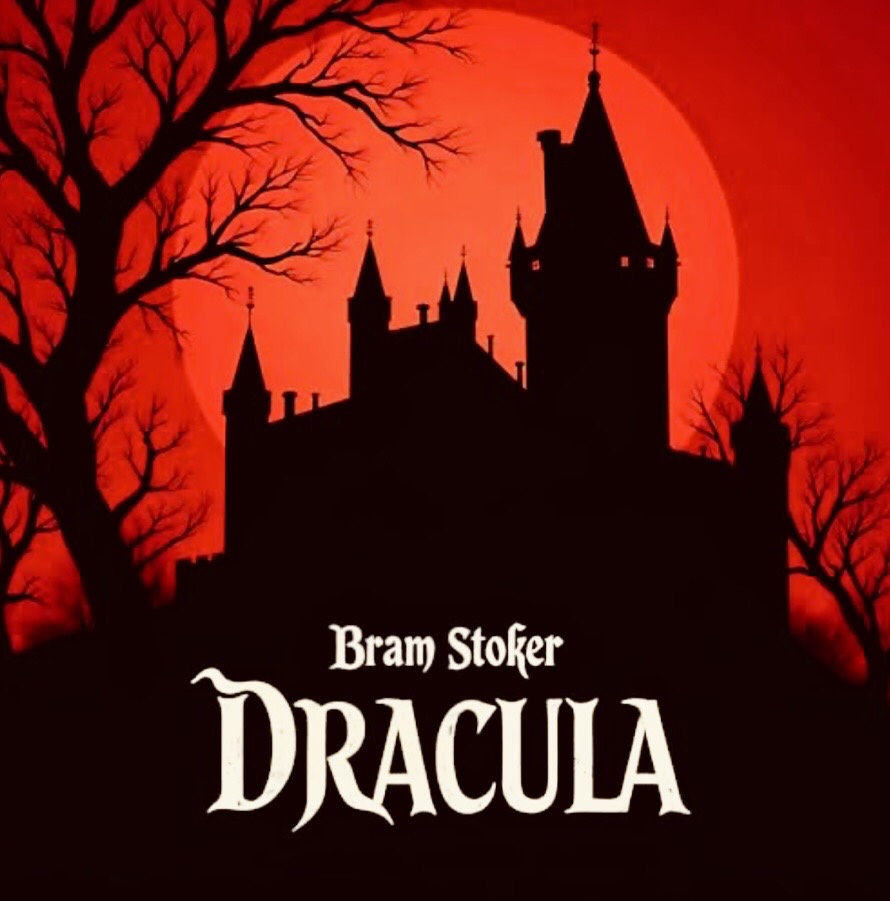
Ask anyone which character they first think of in the Gothic-Horror genre, and they’re almost certain to say Count Dracula. The quintessential Transylvanian vampire, first introduced in Bram Stoker’s vintage 1897 novel. The book is a masterpiece, of course we all know this. Stoker struck gold with his vision, a story of a horror which drew from Eastern European folk-tales, religion, and a back drop of English Victorian sentimentally; as the strange and mysterious Count travels from his home in Eastern Europe … to set up a new hunting ground in England.
The story begins as young solicitor Jonathan Harker visits Dracula’s home high up in the Carpathian Mountains, in order to finalise the property transaction of Carfax Abbey, which is to be his new English home. This is a wonderful introduction, and perhaps the best known section of the Dracula tale. The gothic imagery described by Stoker, and the foreboding superstition of the locals he meets on his way to the castle make for a splendid setup. Dracula, of course, reveals himself to be an unnatural being, and Harker finds himself prisoner; trapped in the castle with the vampire’s three mysterious brides.
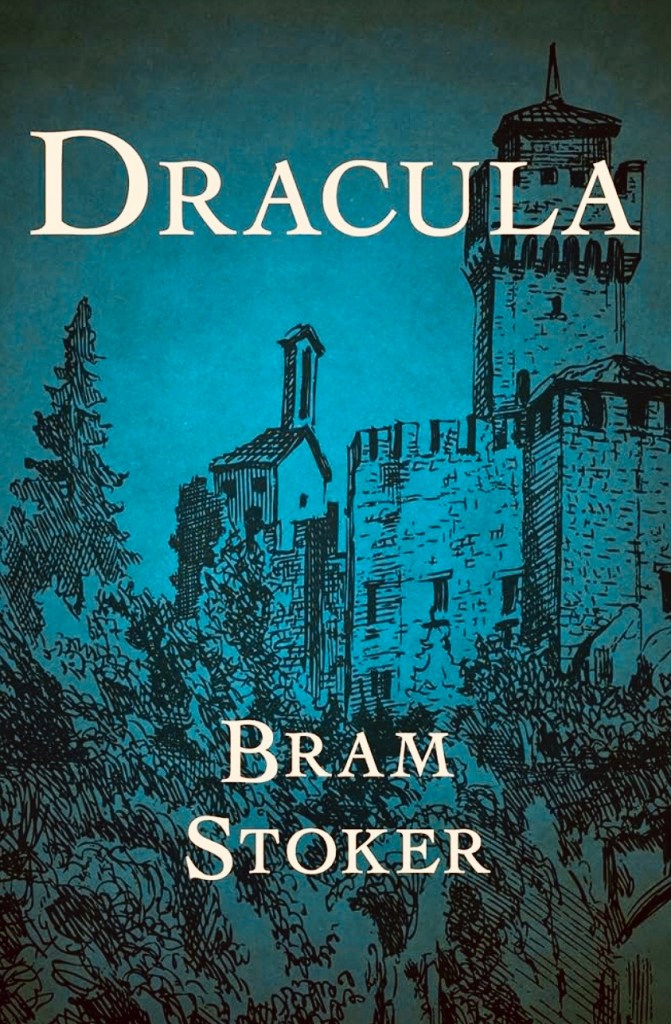
Harker discovers the true nature of Dracula, and realises the horror he will cause once settled in England. But Harker is resilient, and although he manages to escape, he is powerless to stop Dracula travelling west. Once in England, the Count begins to feed nightly on Lucy Westenra; slowly turning her undead. She is a dear friend of Harker’s fiancée Mina, and the pair formulate a plan to end the vampire’s reign of terror, along with a cast of characters including occultist expert Professor Van Helsing, and Dr. Seward – a psychiatric doctor who runs an asylum sitting next to Carfax Abbey.
Stoker wasn’t the first writer to reference vampirism in Victorian literature, another Irish author Sheridan Le Fanu had published Carmilla in 1872. But Dracula is the one which by far and away has had the strongest cultural impact and influence in both literature and film. In fact Dracula is intrinsically linked to the history of film, and specifically that of horror cinema. Although there were stage adaptations, and a little known Hungarian silent film Dracula Halála (1921), it was F.W Murnau’s Nosferatu: A Symphony of Horror (1922) that is the most famous early interpretation of Stoker’s novel. A silent German expressionist film seeping in atmosphere, with an orchestral musical score which perfectly accompanies the visuals of the story.
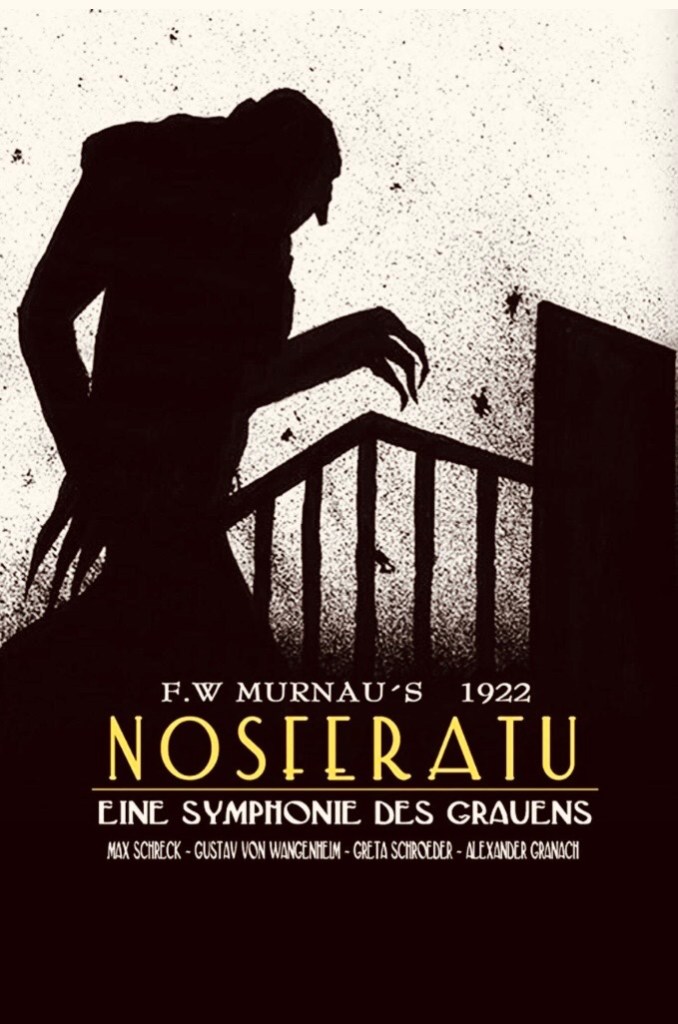
Created without the blessing of the Stoker estate (Bram passed away in 1912), Nosferatu changed the names of its characters, and significantly simplified the story. However, Stoker’s widow Florence would still take the production company to court; and in 1924 all copies of the film were ordered to be destroyed. Fortunately a handful of prints survived, so we are of course able to still enjoy this early cinematic movie in all of its historical glory.
The character of Count Orlok would become an iconic vision of horror. Far more creature than man, he has long sharp talons for fingers, razor sharp teeth that hang from his mouth, and the look of a pale hairless corpse. The black and white cinematography which uses shadows and chiaroscuro lighting to create its ambience is perfectly executed by Murnau, while the performance of Max Schreck as Orlok is faultless.
In 1931, Universal Pictures would release their original English language version of Dracula. This time, the rights were legally purchased by Hollywood producer Carl Laemmle Jr, and the movie was directed by Tod Browning from a screenplay based on a 1924 stage-play. The film stars Bela Lugosi as the Count, in what is perhaps the defining version of the character.
The Hungarian Lugosi had already played Dracula in the successful Broadway show, and his archetypal portrayal set the benchmark and inspiration for all versions to come. Although, if it were not for the unexpected death of The Phantom of the Opera (1925) star Lon Chaney in 1930, we might never have seen Lugosi in the role at all.
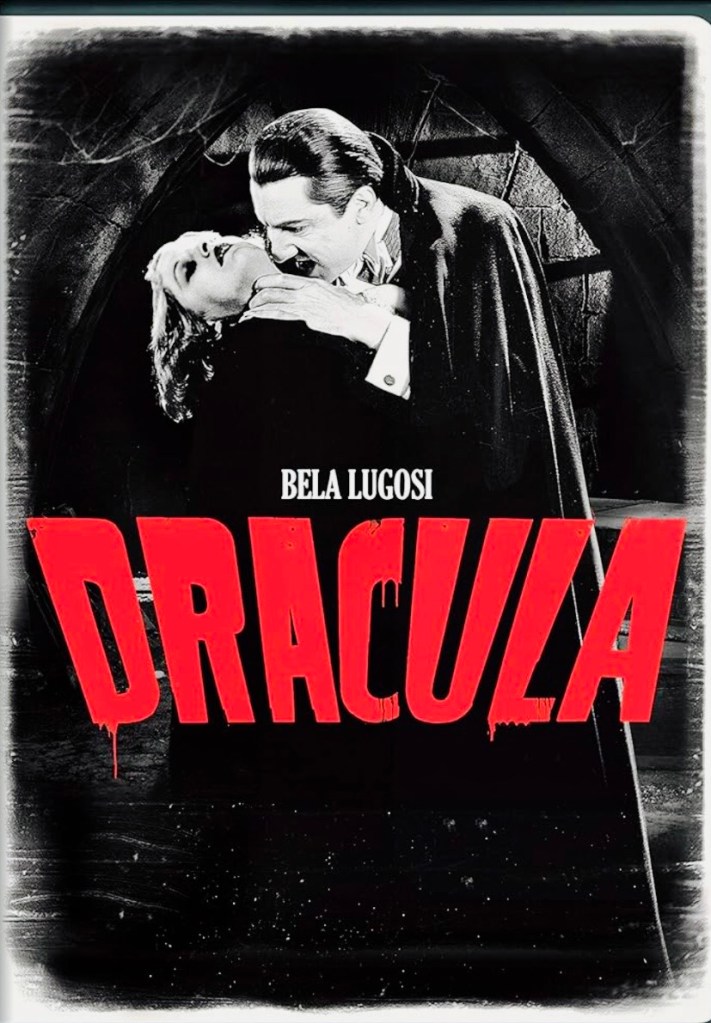
Lugosi plays Dracula as a suave and sophisticated noble gentleman, and his characterisation is a far cry from Schreck’s Count Orlok. The film opens with the lush strings of Tchaikovsky’s Swan Lake, and again the story differs somewhat from the novel; focusing first on Stoker’s asylum lunatic Renfield as the solicitor who travels to meet with Dracula in Transylvania.
The castle is a gorgeous gothic set, and the tense atmosphere is extremely eerie … aided somewhat by the lack of any score in between the actors lines. We meet Dracula’s three brides, an element missing from Nosferatu, before the narrative sharply cuts to Dracula and Renfield travelling to England by sea; at which point Renfield is addressing the Count as “master” and is clearly under his hypnotic influence.
Dracula was a huge success for Universal, who would cement their horror legacy by releasing James Whale’s adaptation of Frankenstein starring Boris Karloff in the same year. As the Universal Monsters series of films snowballed in earnest, a sequel; Dracula’s Daughter (1936) would pick up from the end of their first film. While Lon Chaney Jr. (The Wolf Man) would star as Count Alucard in Son of Dracula (1943).
Two films would bring together the Universal Monsters; House of Frankenstein (1944) and House of Dracula (1945) – both with John Carradine starring as our vampire. Before Lugosi would return to play Dracula for the second and final time in the cross over comedy; Abbott and Costello Meet Frankenstein (1948).
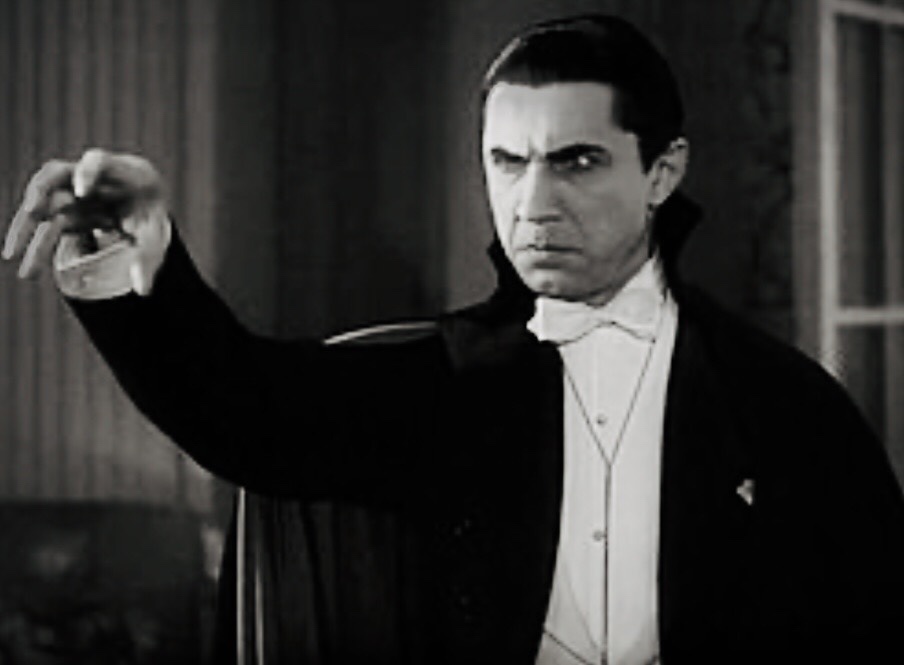
Lugosi will forever be thought of as Dracula, despite only playing the character on screen twice. However, his typecasting at the time would see him play a number of other vampire roles during his career. It would be ten years following Abbot and Costello before we would see another mainstream interpretation of the Dracula tale. By this time, Universal were pretty much out of the monster business, but a studio across the pond in England; Hammer Productions, were just getting started. Buoyed by their success with The Curse of Frankenstein (1957), they would next turn to Dracula as they looked to continue their own gothic cinematic series.
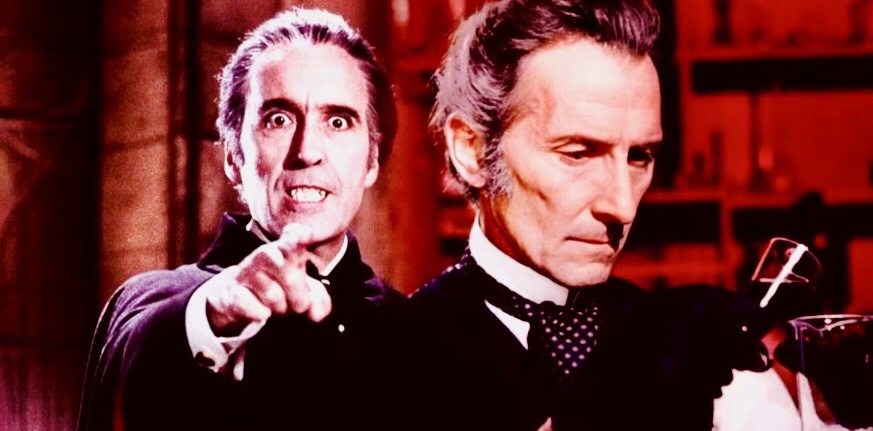
As well as director Terence Fisher and screenwriter Jimmy Sangster, Dracula (1958) – or The Horror of Dracula as it would be known in the States – would bring across the two leads from Hammer’s Frankenstein film the previous year. Baron Frankenstein’s Peter Cushing would play the now legendary vampire hunter Van Helsing, while the Monster’s imposing portrayal by Christopher Lee was deemed to be the perfect performance to transition to a new and far more terrifying version of the Count. Hammer would bring Dracula into gorgeous Technicolor, and Lee’s performance is one that is far more animalistic and horrific than Lugosi’s.
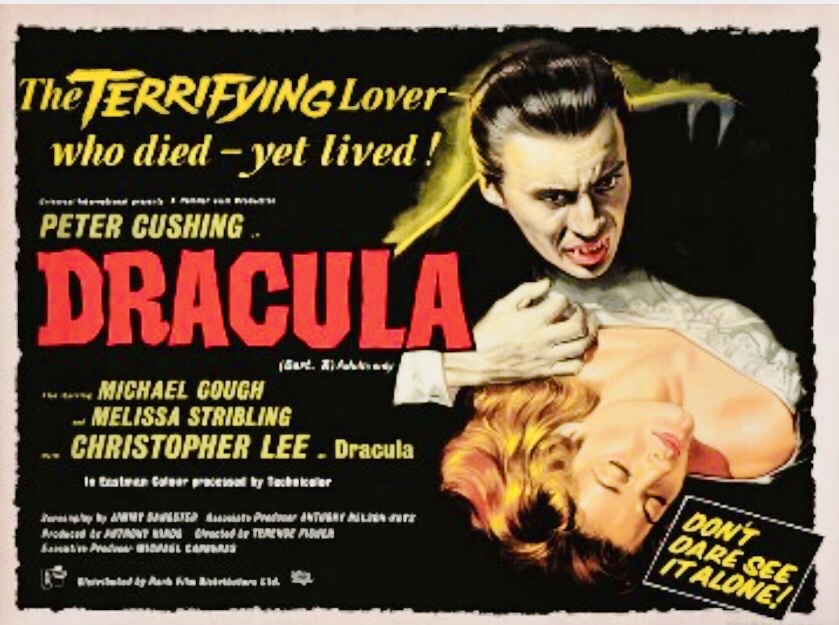
We see blood, scenes of seduction, and neck biting that just hadn’t been shown on screen before. We see scenes of chilling horror, and an overall feeling of dread accompanied by a perfectly sombre score. There is also a strong action element to the film, with a thrilling finalé as Dracula is chased down and hunted back to his castle, before being cornered and destroyed by the enigmatic Van Helsing.
The film was an enormous success for Hammer, who would next go on to remake Universal’s The Mummy the following year (again with their stars Cushing and Lee returning to the helm). Hammer would steer clear of crossing over their films as Universal had done, but they would produce many sequels to Frankenstein, The Mummy, and of course Dracula over the years. In fact the British studio would release eight Dracula sequels in total, with Christopher Lee starring as the Count in all but two of them.
Strangely, the first sequel The Brides of Dracula (1960) – itself another gothic masterpiece – follows the story of Van Helsing (Cushing) as he battles a disciple of Dracula and the Brides he creates; rather than the titular character himself. But Lee would return for the also excellent Dracula: Prince of Darkness (1966), which features an unforgettably horrific resurrection scene – one of the most grizzly and sadistic in all of Hammer’s filmography.
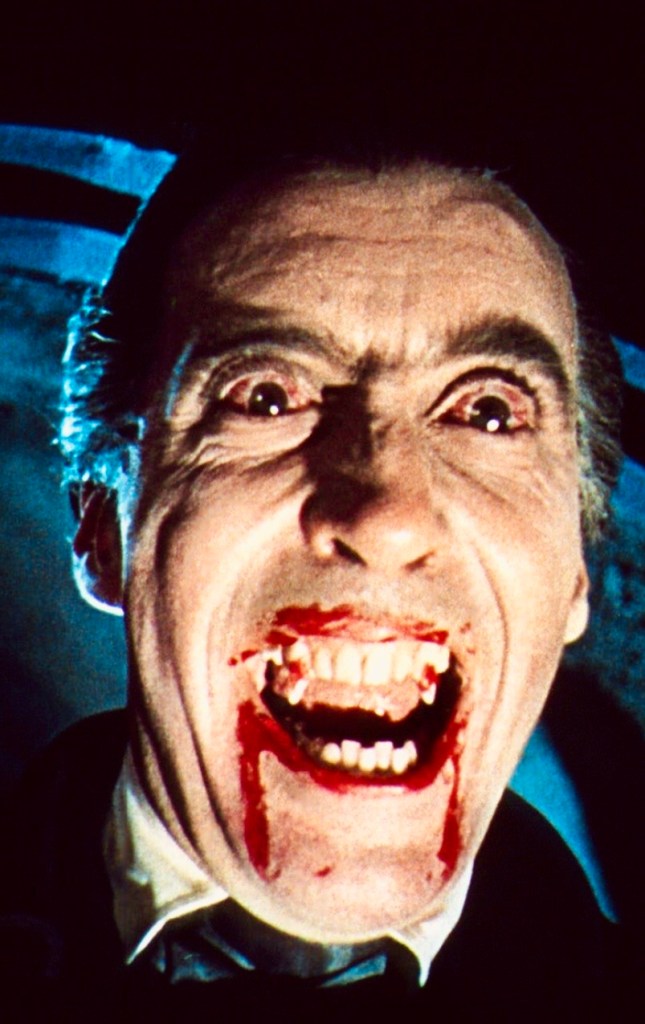
Lee would then star again in Dracula Has Risen from the Grave (1968), Taste The Blood of Dracula (1970), Scars of Dracula (1970), Dracula A.D 1972, and The Satanic Rites of Dracula (1973). The final film from Hammer featuring the Count would be their nothing if not ambitious vampire / martial arts crossover movie The Legend of the 7 Golden Vampires (1974). Christopher Lee would sit this one out … with John Forbes-Robertson replacing him.
The Hammer Dracula series is often perceived as a being somewhat of a mixed bag, but honestly there is a little something in each of them to keep series completists more than happy. Following their classic first encounter, Cushing’s Van Helsing would not meet his arch enemy again until Hammer’s relatively unpopular decision to bring Dracula into modern times with A.D 1972. But Cushing would then remain for one final showdown with Lee in Satanic Rites, before taking on the 7 Golden Vampires a year later.
From here, it really is impossible to count each and every incarnation of Dracula on the silver screen throughout the seventies and eighties. Highlights would certainly include Blood for Dracula (1974), otherwise known as Andy Warhol’s Dracula starring Udo Kier, Dracula (1979) starring Frank Langella and Lawrence Olivier. The Warner Herzog directed remake of Nosferatu The Vampyre (1979) starring Klaus Kinski; and The Monster Squad (1987) – a Goonies esq children’s adventure film which pays homage to the classic Universal Monster’s series.
Dracula’s influence would also spread far and wide, as in the seventies and eighties a whole host of vampire films would appear; with movies like Tobe Hooper’s adaptation of Stephen King’s Salem’s Lot (1979), Tom Holland’s Fright Night (1985), and The Lost Boys (1987) bringing the lore created by Stoker into a new age. But it wouldn’t be until 1992 – seventy years on from Nosferatu – that we would perhaps see the definitive adaptation of Stoker’s work.
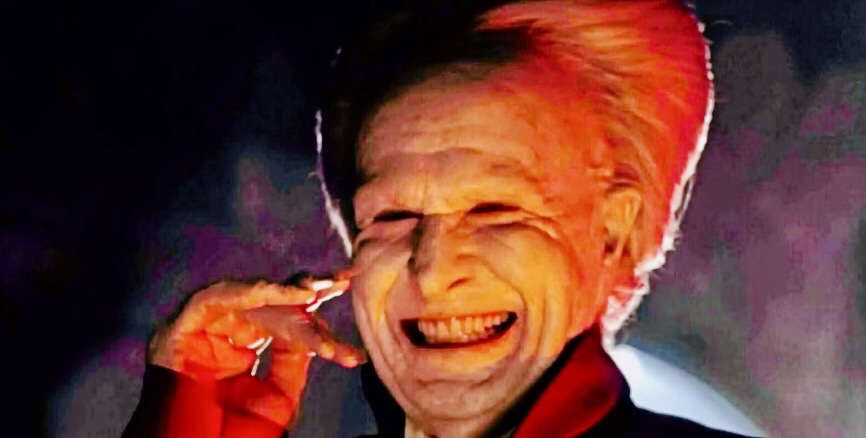
This would be the year that legendary director Francis Ford Copolla (The Godfather) would deliver Bram Stoker’s Dracula; starring Gary Oldman as a very different version of the Count. For a start we get a rich, religious back story of how Vlad ‘The Impaler’ came to be a vampire in 1462; following the suicide of his love Elizabeta (Winona Wyder) while he was away fighting on the battlefield. He renounces God, and vows to avenge her death by sacrificing himself to the powers of darkness.
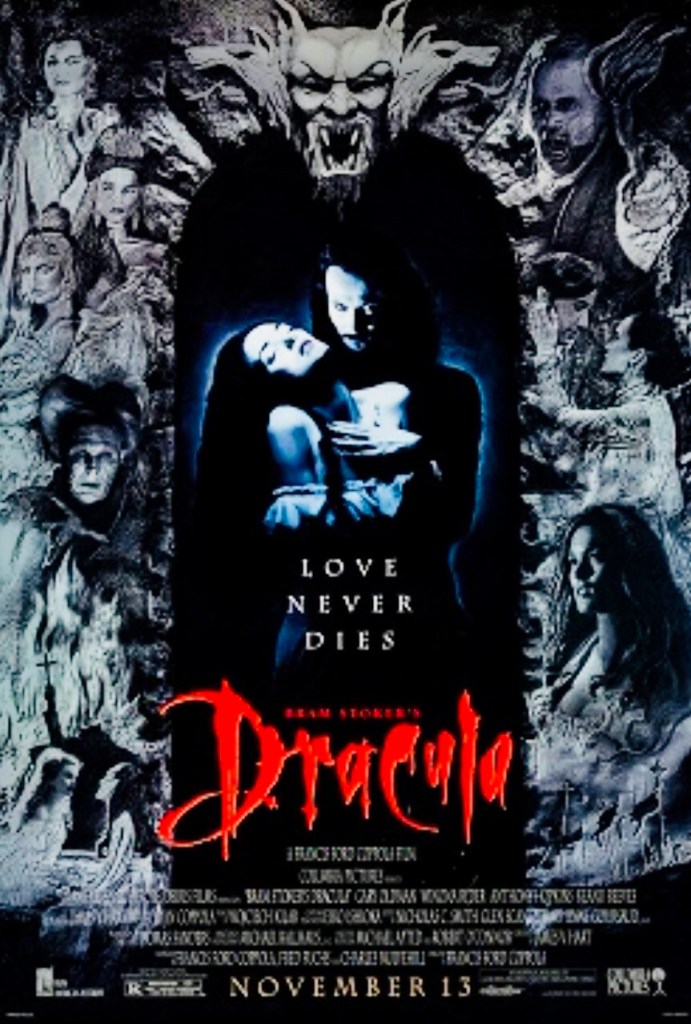
The film cuts forward to 1897 and Jonathan Harker (Keanu Reeves) visiting Castle Dracula as per Stoker’s novel. And for the first time, we are really treated to a nuanced and detailed interpretation of his time spent there as a prisoner. Keanu Reeves’ acting and iffy British accent may be a little questionable, but Gary Oldman plays an absolute masterclass and carries the first act with a truly sumptuous performance.
Where the movie stays from the source material, is Dracula’s discovery of a photo of Harker’s fiancée Mina (also Winona Ryder), believing her to be the reincarnation of Elizabeta. This provides a romantic angle to the story, which plays out further once Dracula reaches England . He relentlessly pursues Mina, while the film then stays very faithful to Stoker’s work in most other aspects.
Copolla put together a fine ensemble cast for his adaptation. From Tom Waits as Renfield, Richard E. Grant as Dr. Jack Seward, and Anthony Hopkins as Professor Abraham Van Helsing, the performances throughout are pure class. The stunning cinematography, visual imagery, colour grading, and gothic atmosphere of Bram Stoker’s Dracula really is something special … and Copolla certainly put everything he had into creating the quintessential adaptation.
In the proceeding years following Copolla’s masterpiece, new interpretations of Stoker’s work have continued to roll off the production line. The Mel Brooks parody Dracula: Dead and Loving It (1995) starred Naked Guns’ Leslie Nielsen, while directors such as Susperia’s Dario Argento (Dracula 3D – 2012) and The Fifth Element’s Luc Besson (Dracula: A Love Tale – 2025) have also created notable versions. Universal Pictures themselves have revisited the legend with Van Helsing (2004) directed by Stephen Sommers (The Mummy), Dracula Untold (2014) starring Luke Evans, and Renfield (2023) starring Nicholas Cage.
For younger viewers it is perhaps the Sony Pictures Hotel Transylvania (2012) animated series – with the voice of Adam Sandler – which acts as their first introduction to the Count. While Robert Eggers – the visionary auteur behind The VVitch (2015) and The Northman (2022) – has gone on to create his highly stylised and somber version of Nosferatu (2024); a splendid reinterpretation of the film that started them all. It’s always appeared that Dracula is a legend who will seemingly never die, with Stoker’s work as immortal as the creation itself. And when all is said and done, may our fascination with the insatiable bloodlust of horror’s true icon … forever continue! KZ
Words by Mark T. Bates
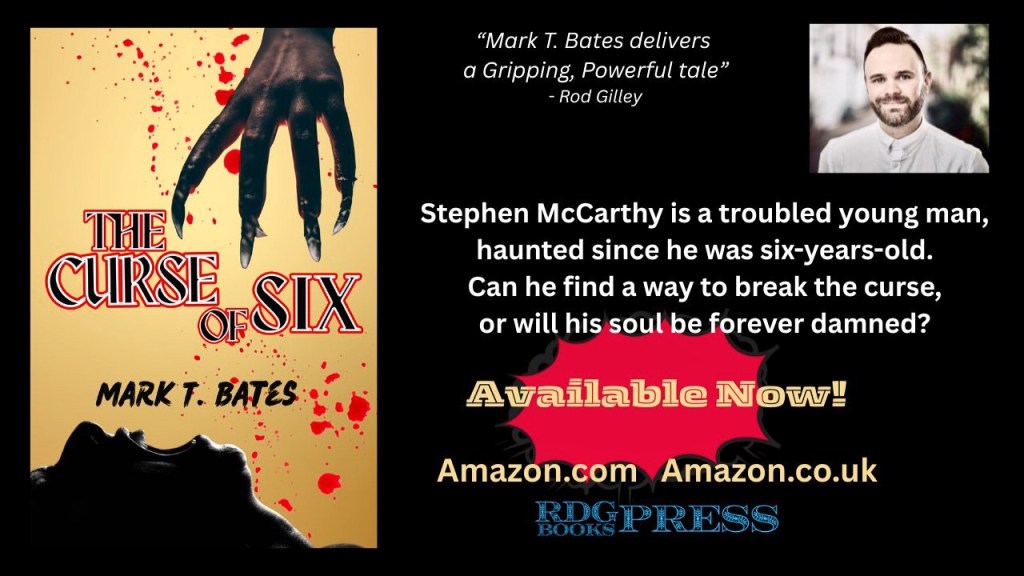
https://amzn.eu/d/0j8SpBSH
Check out our Horror short story series:
‘The Curious Dark (Vol. 1)’
👇
‘The Curious Dark (Vol.1)’ – By Mark T. Bates


Leave a comment