

https://amzn.eu/d/b5TAnqi
1. // White Zombie – Astro Creep: 2000
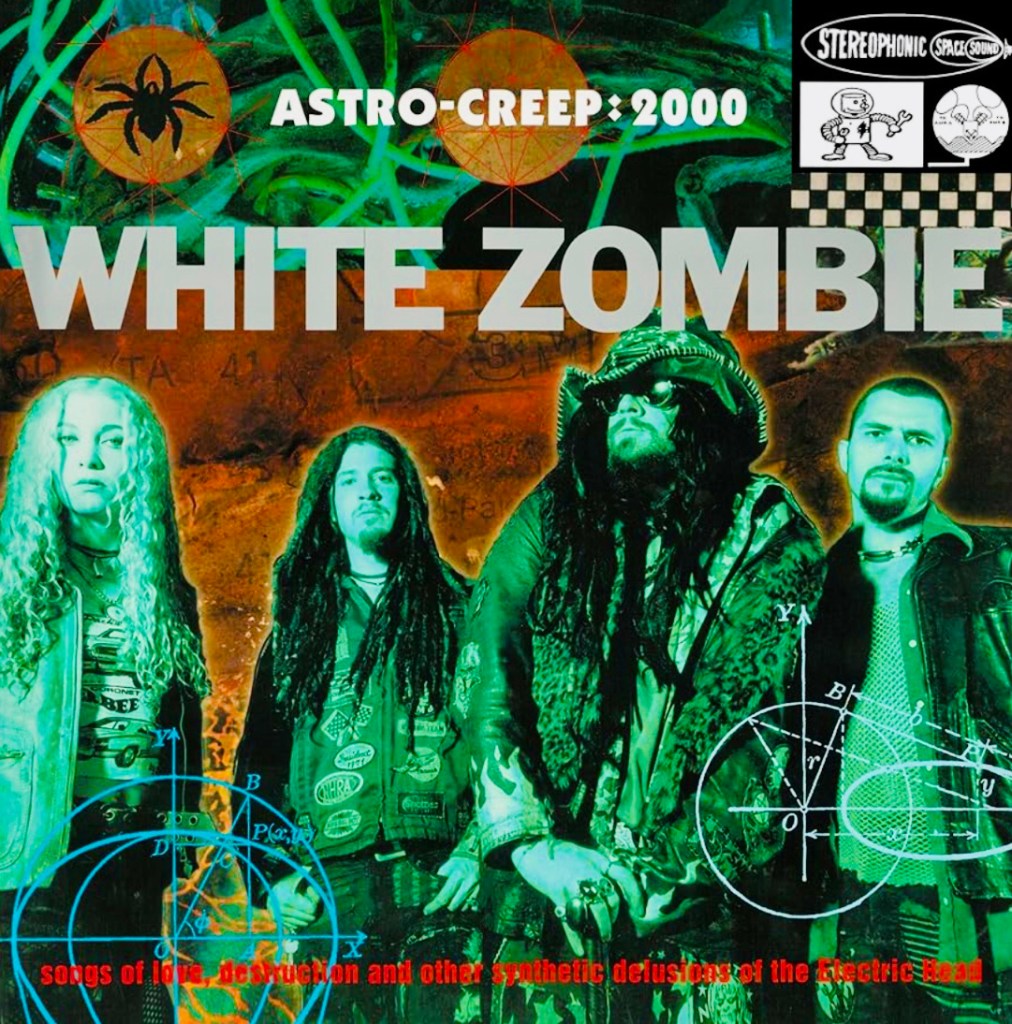
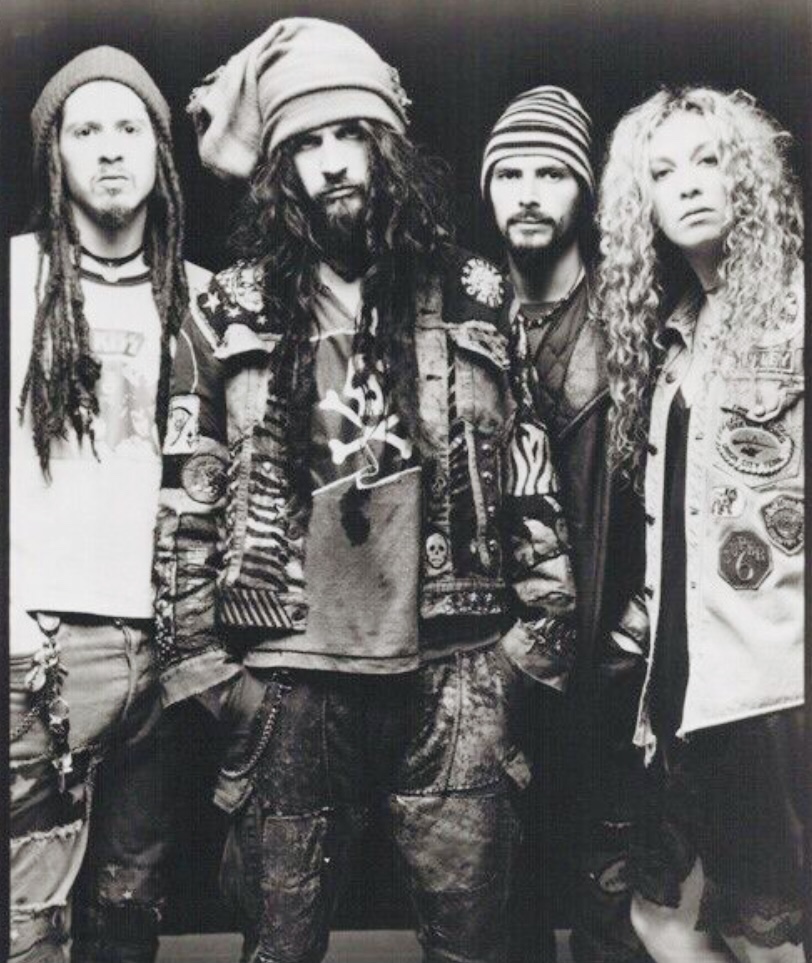
As the 90s rolled on, an Industrial influence in Rock and Metal had found success with the likes of Nine Inch Nails and Ministry, and in 1992 New York’s White Zombie came to prominence themselves with the release of their third album; La Sexorcisto: Devil Music Volume One. White Zombie were a unique offering as they purveyed an Industrial style mixed with a trashy-Punk kind of Metal, while littering their songs with B-Movie samples. Named after the 1932 Bela Lugosi movie – White Zombie were formed way back in 1985 by their charismatic frontman Rob Zombie, and released their debut LP Soul-Crusher in 1987. When they broke through in ‘92 with their first major label release, they had added guitar wizard Jay ‘J’ Yuenger to a line up that also included bassist Sean Yseult and drummer Ivan de Prume … whilst fine-tuning the sound that would make them famous.
In 1995 they would deliver the perfect accompaniment to La Sexorcisto, with their quintessential release and climax of their creativity, as Astro Creep would be the last record before Rob Zombie decided he needed to take his vision solo. Drummer John Tempesta (ex Exodus / Testament) would replace the departing De Prune, and White Zombie would use even more samples as well as increasing the Industrial / Electro influences of their sound. The record opens by launching into the thundering groove of ‘Electric Head Pt. 1 (The Agony), while ‘Super-Charger Heaven’ is one of Zombie’s finest songs – featuring Rob’s instantly recognisable chorus of “Devil-Man, Devil-Man calling!” sitting alongside J’s down-tuned slide guitar riffing. ‘Electric Head Pt. 2 (The Ecstacy)’ is another stonewall classic, while the record is littered with the bands finest work throughout – none-less so than on the masterful ‘More Human Than Human’ – with its Blade Runner inspired lyrics. KZ
2. // Fear Factory – Demanufacture
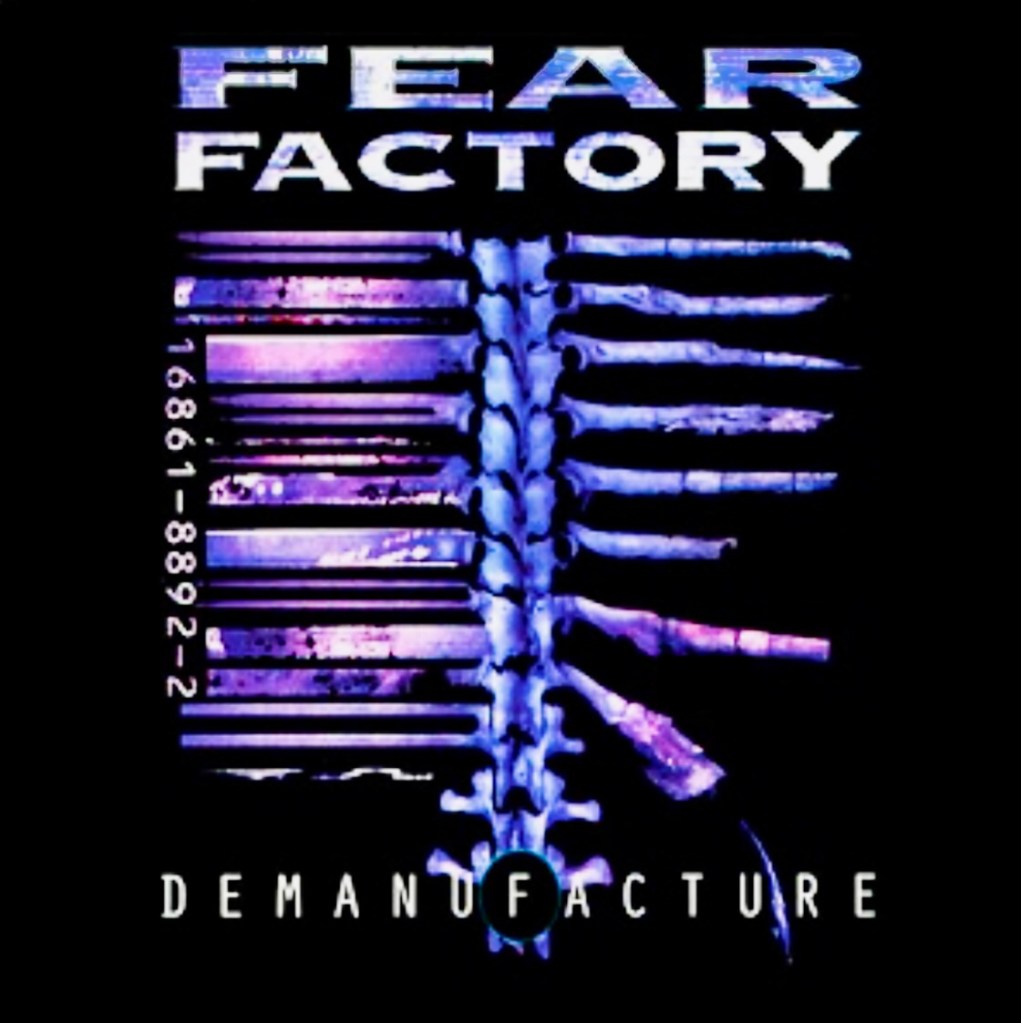
Fear Factory’s second album Demanufacture was a vast change of gear for the band, who with this iconic release pioneered a blend of Thrash and Death-Metal with a heavy use of synths and Electronica. They created a vast concept album based around the classic Sci-Fi theme of a war between man and machine, influenced by movies such as The Terminator (1984). And in the process provided one of the more unique records to be released on Roadrunner Records during their prime mid-90s era – creating their career defining work while also establishing themselves as the kings of Industrial Metal. Demanufacture also gave the Californian natives commercial crossover appeal, with songs appearing in video games as well as on the Mortal Kombat movie soundtrack.
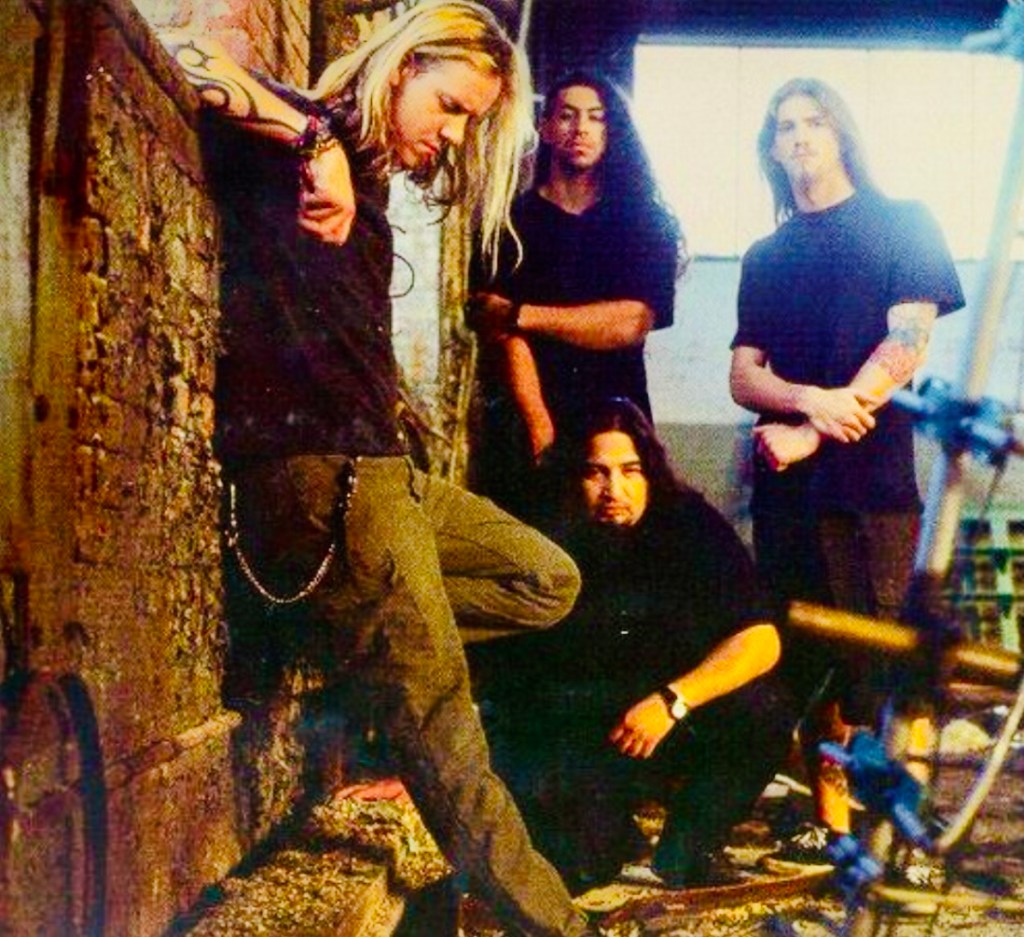
The album opens with a juddering riff and the machine like drumming of Raymond Herrera on the title track, with the heavy use of synths helping separate what Fear Factory were doing compared to many of their peers at the time. Singer Burton C Bell shows the two sides of his vocal range with strong clean singing as well as an aggressive Death Metal style. ‘Self Bias Resistor’ shows intricate riffing from guitarist Dino Cazares and a verse of pure industrial aggression, before leading into a melodic and dream-like chorus. There is beautiful atmosphere on ‘Zero Signal’ provided by the Vangelis – Blade Runner style synths, while ‘Replica’ is one of the stand out cuts, immensely funky for a heavy track with its memorable and robotic rhythm. KZ
3. // Down – Nola
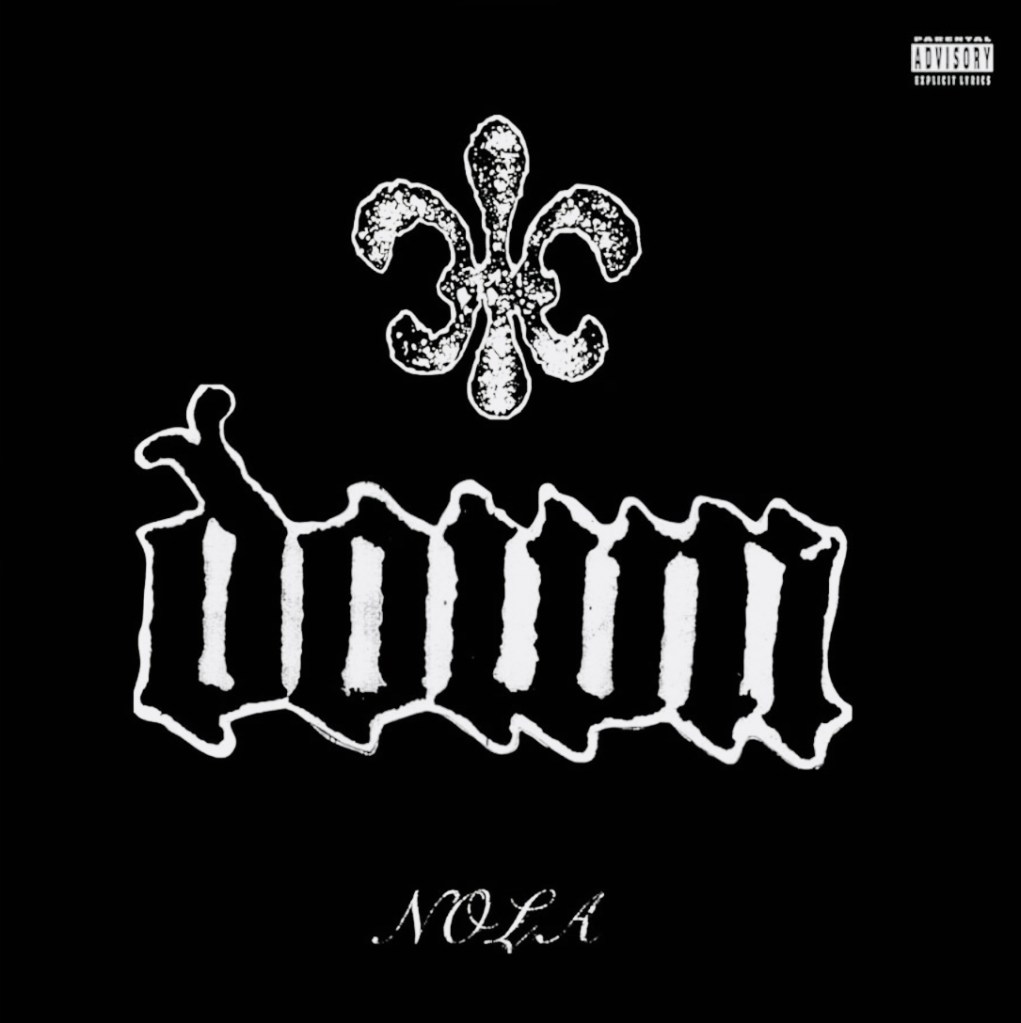
In the early 90s Pantera were a band who rose to the top of the Heavy Metal tree, which culminated in them achieving a number one record with Far Beyond Driven in 1994. But half a decade of relentless touring had started to see a strained relationship develop between the band and their vocalist Phil Anselmo – who had started hanging out more with his friends back in New Orleans, where an underground Sludge-Metal scene was bubbling away. Anselmo had already recorded a number of demos with some of those musicians, including Kirk Windstein of Crowbar, Jimmy Bower of Eyehategod, and also Pepper Keenan of Corrosion Of Confirmity. Tape-trading the demos while on tour with Pantera, passing around the music of Down – while often not divulging the names of the musicians involved.
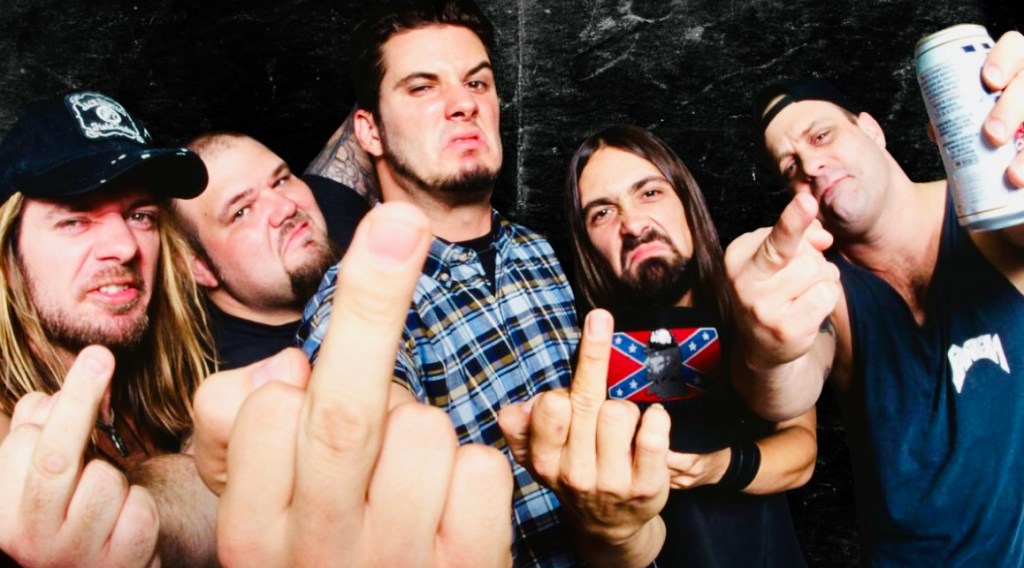
Eventually in 1994 Down played a hometown show which was attended by a executive from East West Records, and upon discovering Down was a supergroup fronted by Anselmo, they were signed to a deal – with Nola being the culmination of their early work. The idea for the sound of Down was to write music that took direct inspiration from the classic 70s sound of Black Sabbath and Led Zeppelin, while also incorporating the Southern-Rock of Lynyrd Skynyrd, and the Doom-Metal of bands such as Trouble and Saint Vitus. The New Orleans influence is of course also apparent, with a Sludge-Stoner Metal vibe throughout the record. From ‘Temptations Wing’ through ‘Lifer,’ ‘Hail The Leaf’ and ‘Bury Me In Smoke’ – it is apparent that Down are all about the riff! While songs such as ‘Rehab’ and their incredibly catchy single ‘Stone The Crow,’ perfectly capture a Bluesey Southern-Rock sound – as Anselmo shows his cleaner singing style to perfection. KZ
4. // Deftones – Adrenaline
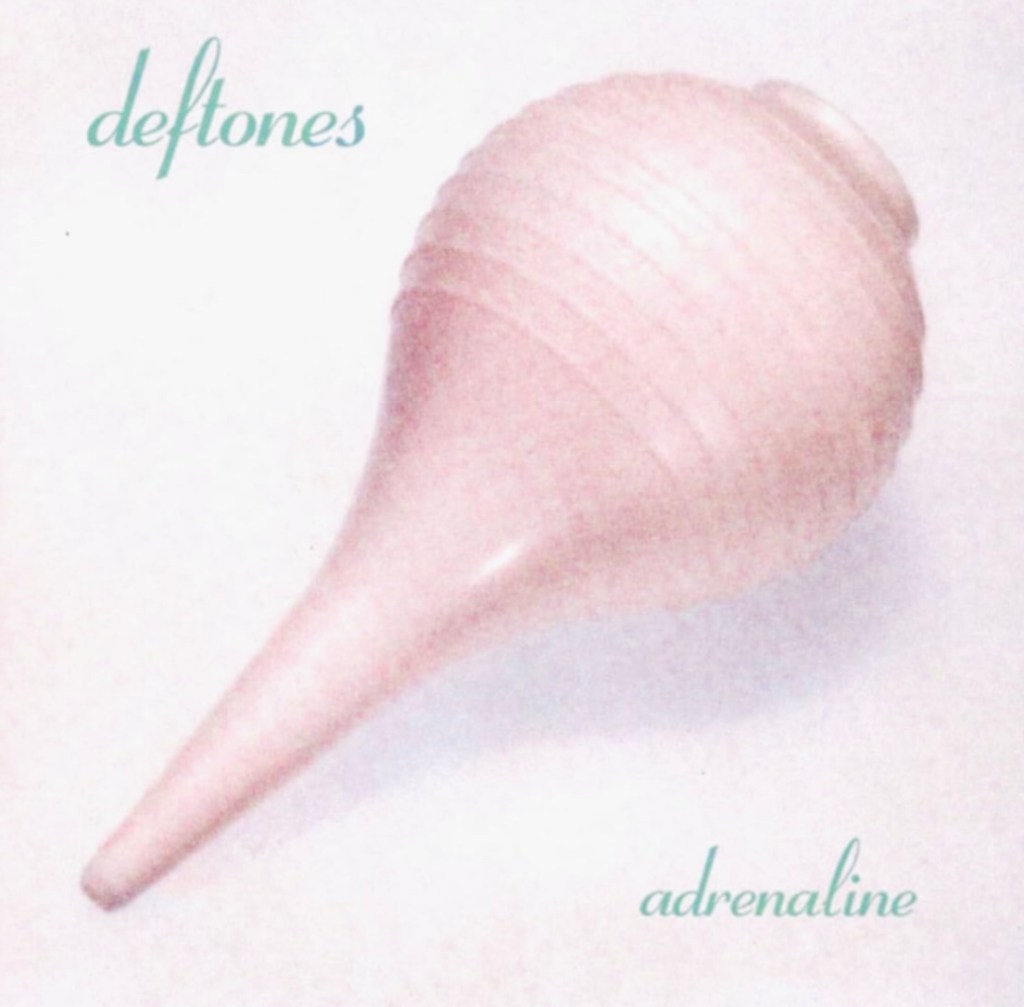
In 1994, Korn released their seminal Ross Robinson produced debut album. A unique and fresh take on the Groove-Metal genre, down-tuned and bass heavy with music that took inspiration from Hip-Hip – and a vocal style which switched from screams to Dark-Wave crooning. Nu-Metal was born, a style which would prove to be the next big commercial entity in Alternative music, as the Grunge bubble started to enter its twilight phase. A year later fellow Los Angeles natives Deftones would release their debut Adrenaline, courting natural comparisons to Korn – but producing something with a distinct sound of their own, built around the stabbing guitars of Stephen Carpenter, the extraordinary vocals of Chino Moreno, and the rolling bass-lines of Chi Cheng.

Expectations were high for the band who had built up a cult following on the west coast before signing a deal with Madonna’s Maverick Records. And they announced themselves with the chugging riff of ‘Bored’ – a song which perfectly captures the juxtaposition of the light-dark dynamic of the Deftones sound. Produced by Terry Date (Soundgarden / Pantera), Adrenaline is certainly raw and somewhat un-polished compared to their work which would follow on Around The Fur (1997) and White Pony (2000). And would provide the springboard from which Deftones would become one of the biggest bands in Metal, as they distanced themselves from the cheesier Nu-Metal sound. And it is its rawness which makes Adrenaline stand out in their catalogue, as songs such as ‘Root,’ ‘Fireal’ and their debut single ‘7 Words’ – show the impressive dynamic range and promise of what was to come from the band. KZ
5. // Alice In Chains
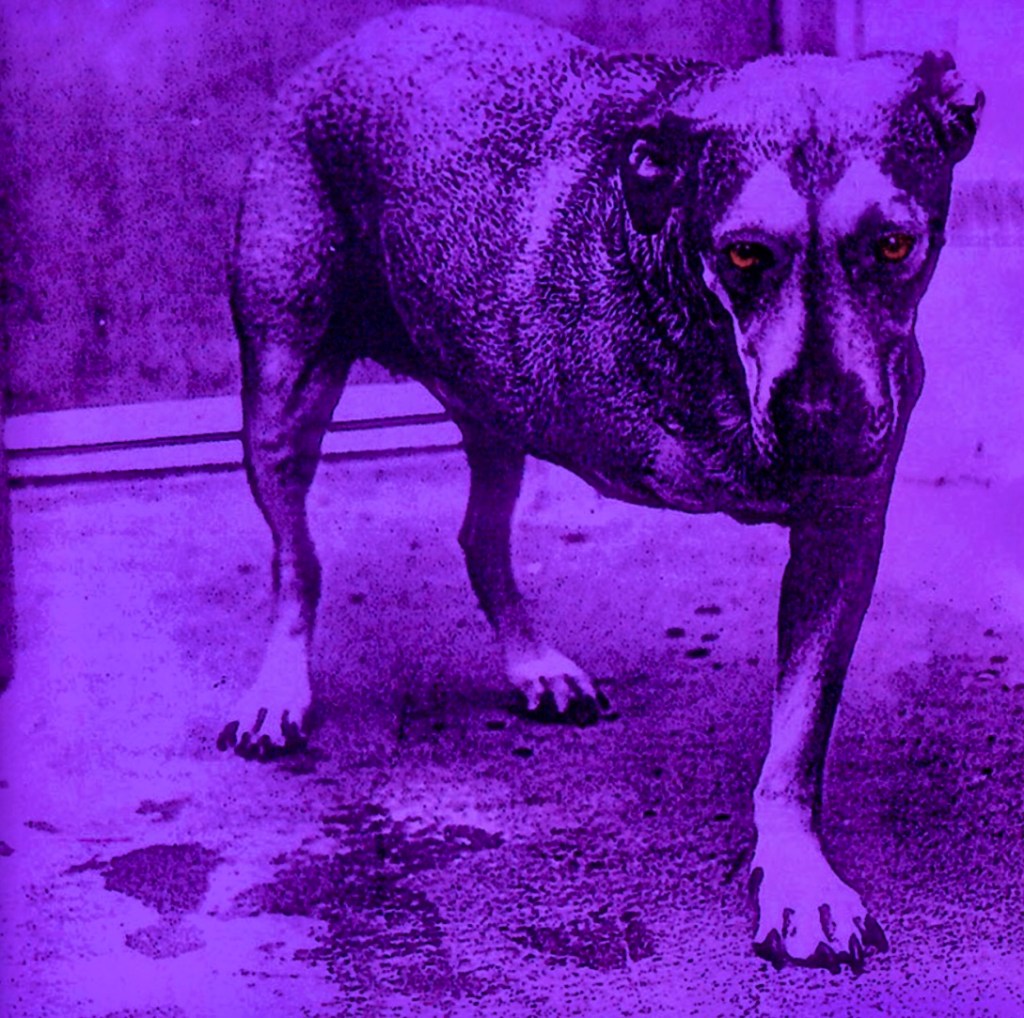
Exploding into the public consciousness with their debut album Facelift in 1990, Alice In Chains found their album sales sky-rocketing after MTV started playing their single – ‘Man In The Box’ – on heavy rotation. Within a year of its release the band had a Gold-Record with their debut, and found themselves at the very heart of the buzz around the Seattle music scene – along with the already established Soundgarden, and both Nirvana and Pearl Jam who released pivotal records in 1991. Alice In Chains would follow Facelift with Dirt in 1992, an Alternative-Rock album that can be considered one of the very best from the era. Dark, heavy and with stunning song-writing crafted around the theme of addiction, which provided some of the bands very finest and iconic moments.
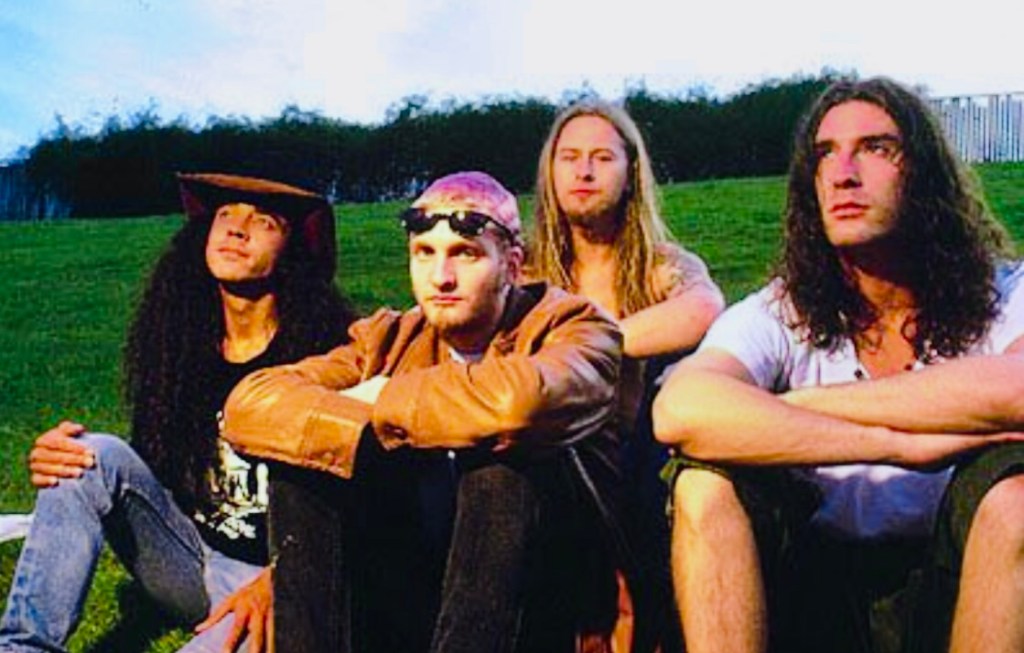
After relentless touring amidst reports of the band very much living the rock ‘n roll lifestyle – as well as the recording of a more stripped back and often acoustic EP Jar Of Flies (1994) – Alice In Chains would record and release their final studio album with vocalist Layne Staley. And the self-titled record comes across like a culmination of their entire career up until that point, blending the experimentation of Jar Of Flies and their earlier Sap EP, with the straighter Rock of Facelift and the darkness of Dirt. Songs such as ‘Grind,’ ‘Sludge Factory,’ ‘Head Creeps,’ and ‘Again’ are muddy, sludgy and down-tuned – highlighting Alice In Chains at their heaviest with a distinctly raw sound. While the Southern-Rock influence on ‘Heaven Beside You’ and ‘Shame In You,’ as well as the melancholic meandering on ‘Frogs’ – perhaps shows the band at their purist. KZ
6. // Paradise Lost – Draconian Times
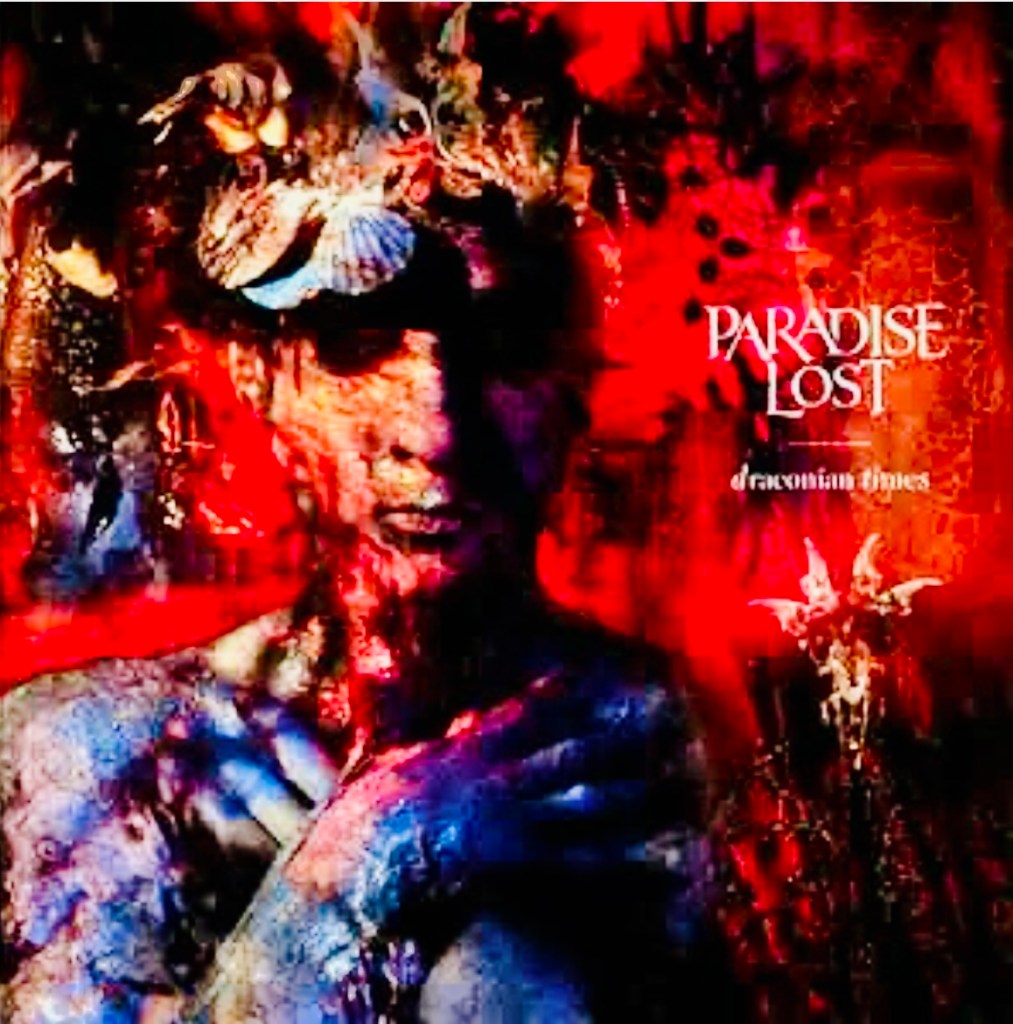
Paradise Lost are a band who epitomise the British Gothic-Metal sound of the 90s. Considered part of the Peaceville Records three – alongside their contemporaries Anathema and My Dying Bride – Paradise Lost took inspiration from both the Death-Metal sound of the late 80s, along with the 80s English Dark-Wave and Goth scenes. Combining the genres to create a new style of Death-Doom, which they honed to perfection on their early albums – Lost Paradise (1990), Gothic (1991) and Shades Of God (1992). The Metal world was starting to take serious notice of Paradise Lost, and on their fourth record Icon (1993) – they would start to provide more of a commercial, cross-over sound with singer Nick Holmes providing more of a clean singing style.
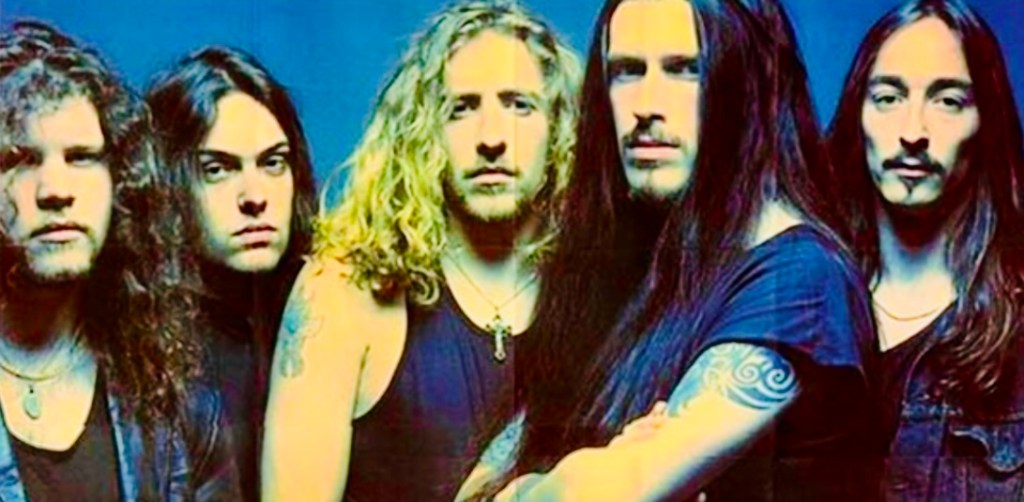
Icon saw their stock rise as despite a changing sound, Paradise Lost still maintained an intriguing uniqueness. And when they dropped Draconian Times two years later, it would provide their most accessible and commercially successful record to date. Remaining the jewel in the crown of a career that is still going strong thirty years later. Draconian Times really showcases Holmes alongside lead-guitarist Gregor Mackintosh at the peak of their song-writing, and many tracks from the record are considered true Paradise Lost classics that remain staples of their live sets today. Songs such as ‘The Last Time,’ ‘Forever Failure,’ ‘Once Solemn’ and ‘Shadowkings’ – which all perfectly encapsulate the relationship between Holmes’ voice, and the soaring lead melodies of Mackintosh … signatures of the bands sound. KZ
7. // Skid Row – Subhuman Race

Skid Row landed with their self-titled debut album in 1989, and established themselves as a force to be reckoned with in the world of Hard-Rock. The combination of a larger-than-life singer in Sebastian Bach, and a band built around the song-writing of bassist Rachel Bolan and guitarist Snake Sabo, was a winning one. And the debut which had been given a commercial boost by their friend Jon Bon Jovi, saw them lead the way for a new generation of Hard Rock acts arriving at the dawn of a new decade. The teenage-angst and party Rock of ‘Youth Gone Wild’ soon gave way to a slightly harder and alternative sound on their second record; Slave To The Grind (1991). And Skid Row found themselves platinum selling artists who were playing monumentally large shows across the globe.
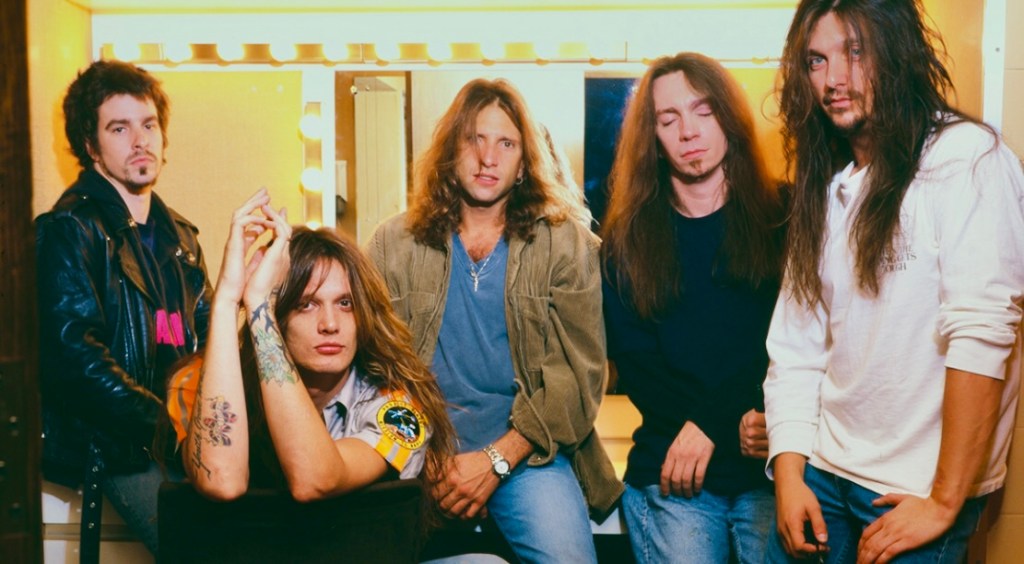
But as the explosion of Grunge around 1991-1992 nailed the coffin shut in the popularity of 80s Hard-Rock, Skid Row found themselves in a commercial decline. While internal struggles between Bach and the rest of the band were beginning to threaten an implosion of sorts. The band would attempt to change with the times, and with Subhuman Race they would produce their final album, before parting ways with their singer. And perhaps also supplied their finest, and certainly most underrated work. Produced by Bob Rock (Metallica), the record certainly takes inspiration from a more alternative style. Songs such as ‘My Enemy,’ ‘Beat Yourself Blind,’ and ‘Subhuman Race’ are among the heaviest in Skid Row’s repertoire – while softer moments such as ‘Eileen’ and ‘Into Another,’ are both incredibly written songs, with deep emotional hooks. KZ
8. // At The Gates – Slaughter Of The Soul
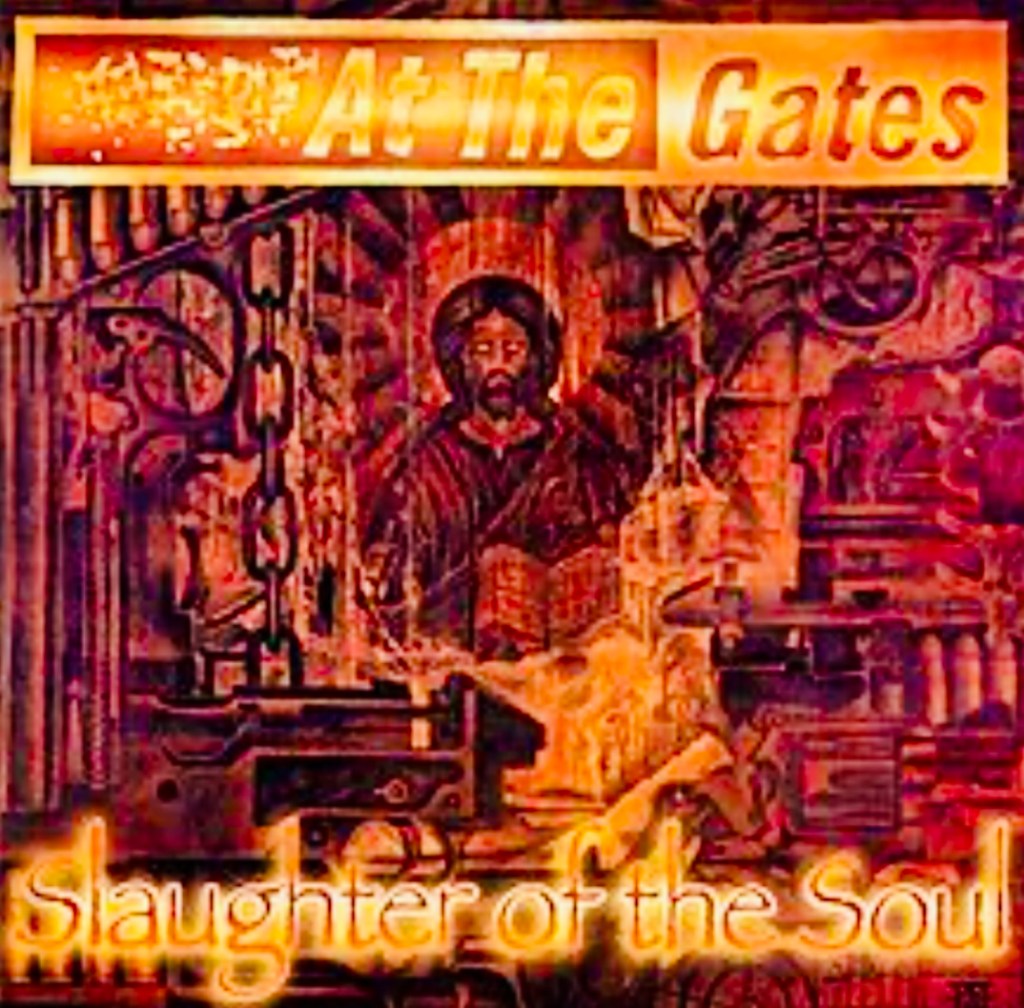
Slaughter of the Soul was the landmark fourth album from the Swedish pioneers of Melodic and Technical-Death-Metal. And At The Gates would produce their masterpiece while establishing themselves as one of the leading bands in the Extreme-Metal scene at the time. It would also prove to be their final album for a number of years, as despite Slaughter of the Soul opening many doors internationally and seeing them start to significantly increase their profile, At The Gates would break up a year after its release – entering a hiatus that would last over a decade. The record opens with the phrenetic ‘Blinded by Fear,’ with an instantaneous hook in the exhilarating main riff … that showed they meant serious business from the off.

The intoxicating riffing continues into the title track with a real groove like quality, that at the time appealed to fans of well known heavier bands such as Pantera and Sepultura. ‘Cold’ is another track that is catchy as hell, with another fine riff drawing you deep into the chorus. While the incredibly high standard continues through classic track after track – including belters such as ‘Under the Serpent Sun’, ‘Suicide Nation’ and ‘Unto Others.’ ‘Into the Dead Sky’ showcases a moment of calming melodic respite with some sumptuous classical guitar, while the instrumental closer ‘The Flames of the End’ is crafted around a hypnotically eerie synth. KZ
9. // Iron Maiden – The X Factor
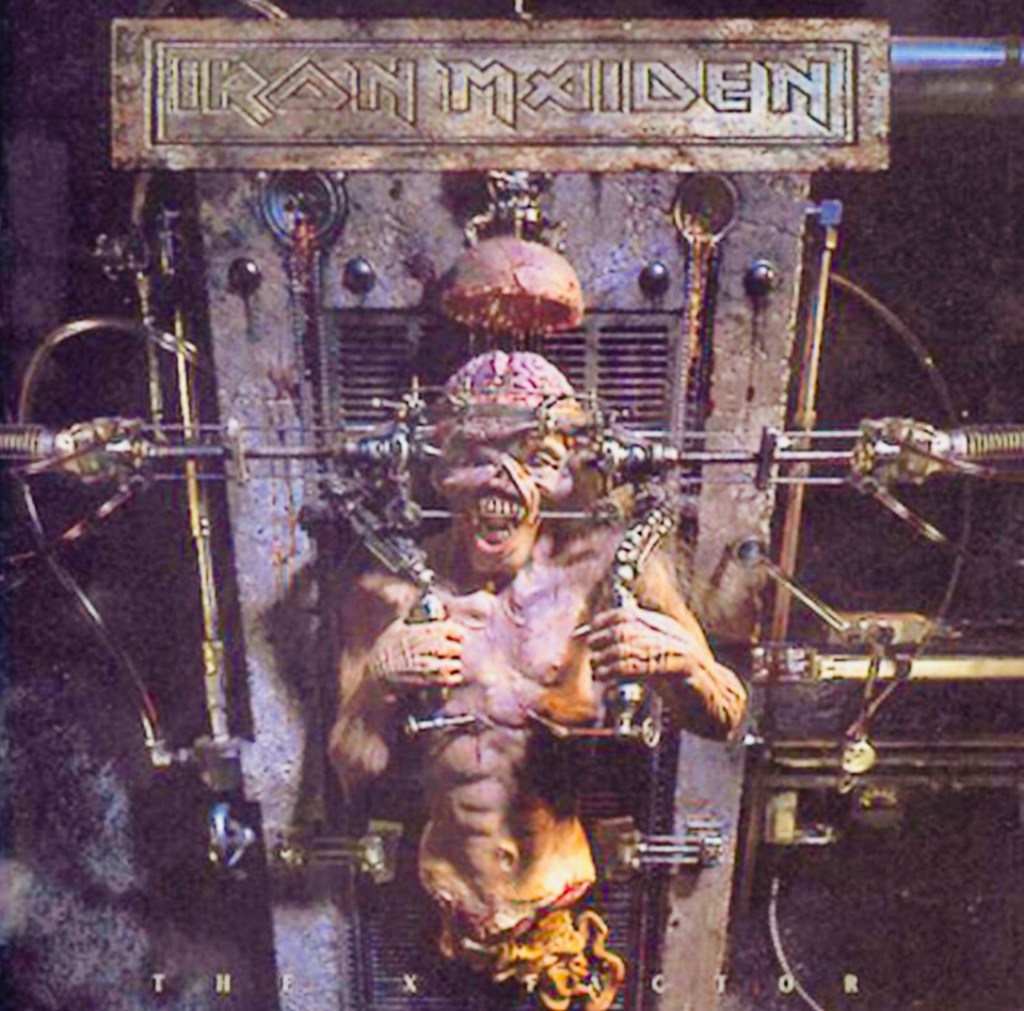
In the mid 90s Iron Maiden were at the biggest crossroads of their illustrious career. They had risen to the very pinicle of Heavy Metal throughout the 80s, establishing themselves as one of the big stadium acts – while selling millions of records in the process. But during the world tour following the release of their ninth record – Fear Of The Dark (1992) – singer Bruce Dickinson announced he was leaving the band to focus on a solo career. For band-leader and bassist Steve Harris, this was a troubling time. The landscape of Rock and Heavy Metal was changing, Iron Maiden were largely considered a band of yesteryear – and they had lost the enigmatic frontman who had been with them while they were at the top.
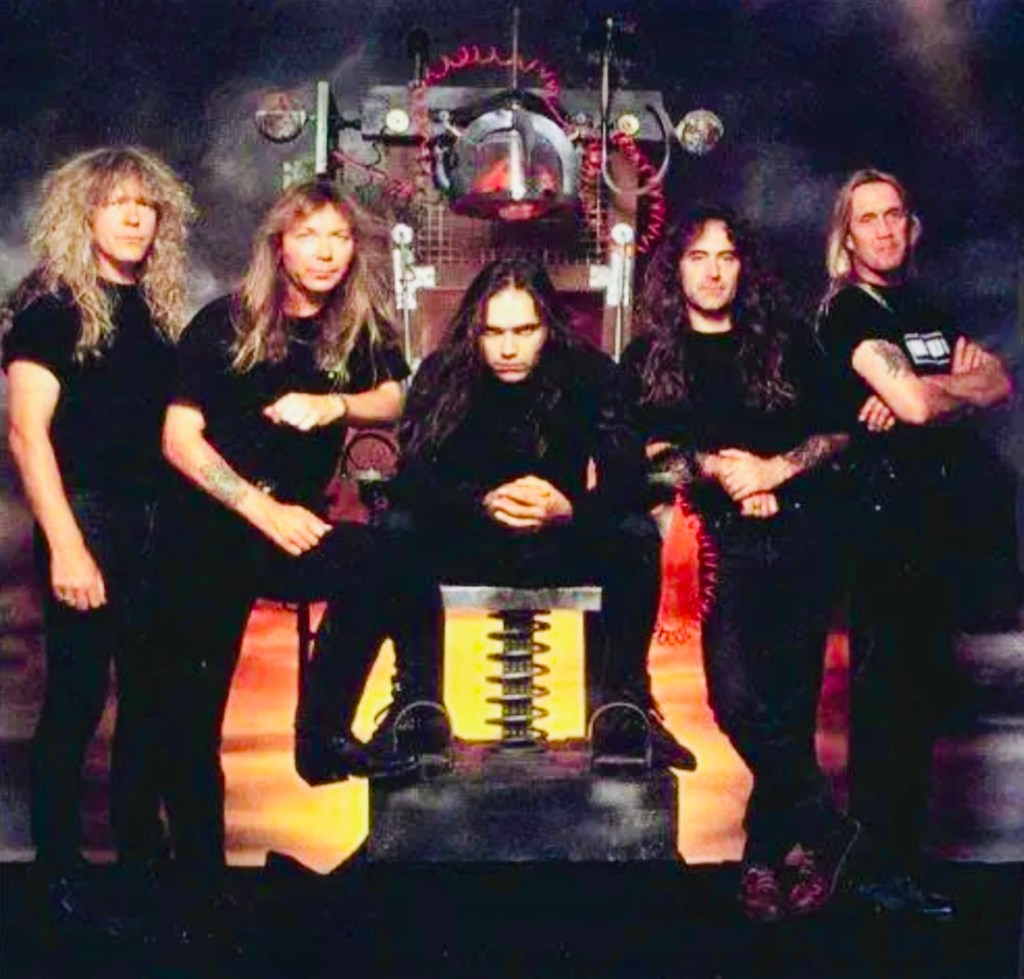
Of course it wasn’t the first time they had changed singers. Bruce himself had arrived for their seminal third album; The Number Of The Beast (1982), replacing Paul DiAnno who had sung on their self-titled debut (1980) and Killers (1981). And after much soul-searching Maiden settled on Blaze Bayley, singer of Wolfsbane – a mildly successful British Heavy Metal band who had supported Iron Maiden earlier in the decade. With Bruce Dickinson already having released his solo record Balls To Picasso in 1994, Maiden needed to make a statement with their next move, and with album number ten – The X Factor – they were facing an uphill battle to win over fans who couldn’t imagine the band without Bruce on the mic. And they ended up producing an album with plenty of quality within. Specifically ‘Man On The Edge, ‘Sign Of The Cross,’ and ‘Lord Of The Flies’ can all be considered Maiden classics – which Dickinson himself would happily find himself singling live … after his return to the band in 1999. KZ
10. // Cathedral – The Carnival Bizarre
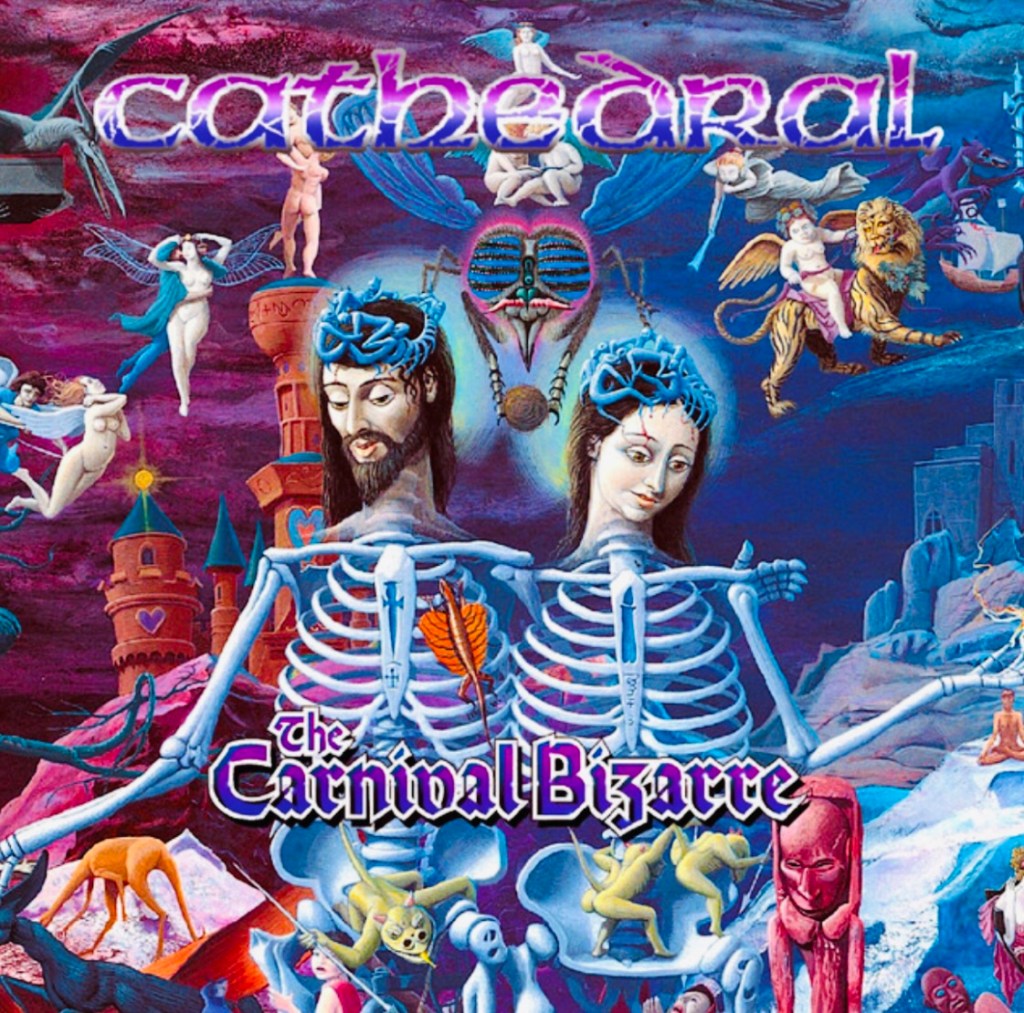
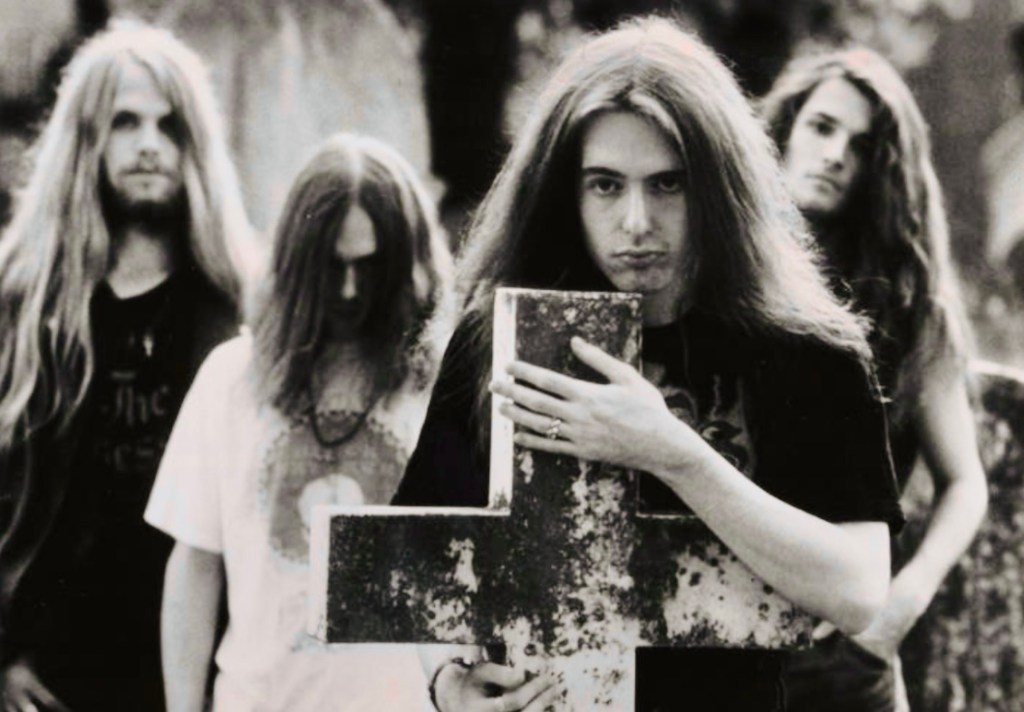
When Napalm Death vocalist Lee Dorian became disillusioned with the Death-Metal direction the band were headed, he left after recording their second album – From Enslavement to Obliteration (1988) – and formed Cathedral. A band who would become pioneers in a new-wave of Doom-Metal emerging from the UK – when their debut album Forest of Equlibrium was released on Earache Records in 1991 – followed by The Ethereal Mirror in 1993. But by the mid 90s Dorian and his band mates were looking to take Cathedral in a new direction, with a clearer influence from 70s Progressive-Rock and a huge nod to the masters Black Sabbath – along with a shift in focus on writing shorter snappier songs with catchy vocal hooks.
The Carnival Bizarre opens with ‘Vampire Sun,’ and an instant sign of departure from their Doom beginnings – with an upbeat cosmic-Stoner vibe, and Dorian’s distinctive vocal drawl asking; “Are you high? Come on!” The record provides possibly their greatest ever song on ‘Hopkins (The Witchfinder General),’ an ode to the classic Hammer Horrors movie – merging the imagery and samples of the film with one hell of a catchy riff – before finishing with an intoxicating breakdown and a mind blowing Iron Maiden-esq guitar solo. Cathedral supply one absolute banger after another on The Carnival Bizarre, with ‘Utopian Blaster,’ Inertia’s Cave,’ and ‘Fangalactic Supergoria’ all flowing in a cosmic haze of super-fun metal. While the band even manage to channel a ‘Scooby Doo in Transylvania’ kind of vibe on; ‘Night of the Seagulls.’ KZ
Words by Abstrakt_Soul

https://amzn.eu/d/b5TAnqi
 kult-zilla.com
Leave a comment