

https://amzn.eu/d/b5TAnqi
1. // Slipknot – Vol. 3: (The Subliminal Verses)

Slipknot exploded with the release of their self-titled debut in 1999, taking the wave of Nu-Metal into far heavier waters. Their follow up Iowa (2001) pushed the boundaries of the extreme side of their sound even further, and for many fans it is considered as being the pinnacle of their work. However, three years later the precipice of their early rise may have just come with the release of Vol 3: (The Subliminal Verses).
A record which didn’t try to be heavier than Iowa, but instead showcased a band who were really at the peak of their song-writing ability, as they allowed themselves to create shackle-free and with an artistic nuance that began to blur genre boundaries. The recording of the record is legendary, as the band holed up in the supposedly haunted surroundings of The Mansion – previously owned by Hollywood legend Errol Flynn in the 1930s, and at this point home to the studio of producer Rick Rubin.

Slipknot were at a crossroads in their career with substance misuse rife, and members having separated off into various side projects. But what they eventually managed to knuckle down and create together was something very special indeed. From the eerie creaky beginnings of ‘Prelude 3.0’ and the clean singing of vocalist Corey Taylor, Slipknot set you up for something very different to Iowa from the off,
Although they also show that they can still take the music just as heavy when the clanking rhythms of ‘The Blister Exists’ drops in. Or when they are going full pelt on other songs such as ‘Three Nil’ and ‘Opium Of The People’. Elsewhere they provide some of the greatest songs of their career, as they blend aggression with some of Taylor’s finest vocal melodies on absolute live favourites such as ‘Duality,’ ‘Vermillion,’ ‘Pulse Of The Maggots’ and ‘The Nameless’. KZ
2. // Isis – Panopticon

Isis were formed in the late 90s by vocalist / guitarist and song-writer Aaron Turner (Old Man Gloom / Sumac) – putting together a group of Boston based musicians from the area’s Hardcore scene, to ultimately create more of an experimental creative outlet. Taking elements of slower Sludge Metal, and inspiration from bands such as Swans, Neurosis and Godflesh, Isis would create a unique sound when they released their debut record Celestial (2000) on Turner’s own Hydra Head Records. Their style would be credited in spearheading the Post-Metal genre, a new and evolving style that would influence a number of bands such as Cult Of Luna and The Ocean.
Isis would move further away from their Hardcore roots with the release of their second album Oceanic in 2002. The record is rightly regarded as a pivotal release in the genre, with elements of Post-Rock and increasing ambient influences. And it would be with their follow up Panopticon two years later, that they would really solidify this shift. Producing arguably their finest work in the mid-point of their career, which would end just two albums later when the band would come to its natural conclusion in 2010.

A concept album designed around the societal theme of surveillance and government oppression – the name Panopticon derives from a theory by English philosopher Jeremy Bentham, in which a prison system is designed where all of the inmates can be viewed from one central position. Released by Mike Patton’s Ipecac Recordings in Oct 2004, Panopticon was largely written and then recorded in LA at Paramount Studios, and was produced by Matt Bayles (who has also worked with bands including Botch and Mastodon).
The album opens with a blast of ferocity on ‘So Did We,’ before dissipating into an infectious, meandering melody – built around an intoxicating bassline from Jeff Caxide. The composition provides an intriguing journey and exploration of layered sounds, which continues throughout the record with songs such as ‘Backlit,’ the slow-burning ‘In Fiction,’ and ‘Wills Dissolve’ – all considered classics of the Isis repertoire. Tool bassist Justin Chancellor guests on the progressively instrumental ‘Altered Course,’ which is emotionally powerful – perfectly encapsulating the feel of this vintage slice of Post-Metal. KZ
3. // Mastodon – Leviathon

Mastodon encapsulate the essence of a Heavy Metal band rising to prominence in the new millennium, and making their mark by evolving the sounds and styles that had been successful throughout the nineties. Hailing from Atlanta, Mastodon would bring together four extraordinary musicians in Troy Sanders (bass/vocals), Brent Hinds (guitar/vocals), Bill Kelliher (guitar) and Brann Dailor (drums/vocals) – who are still playing together now, nearly quarter of a century later.
While the sound of the band has unquestionably evolved over the years, taking on progressive elements as well as more of an emphasis on clean singing and Classic Rock – it is the unwavering heaviness of their early albums that many fans believe is their finest work. This started with the release of their debut Remission in 2002, with Leviathan arriving two years later and perhaps their crowning glory. An absolute Metal classic that sounds unlike anything else, with the four musicians carving out a sound between them which remains unique to this day.

The record opens with the deliciously powerful ‘Blood and Thunder,’ with a riff that rolls in the deep providing one of the all-time great Mastodon songs. ‘I Am Ahab’ is thoroughly chaotic with complex riffs, while ‘Seabeast’ opens with an intoxicating instrumental and sumptuous lead guitar, before contrasting duel vocals drop with a thick and rolling riff. ‘Island’ is fast and aggressive while ‘Iron Tusk’ is hectic and chugging.
‘Megladon’ provides another slice of classic Mastodon riffing, while we get some Alternative-Hard Rock in the bands thoroughly unique style on ‘Naked Burn.’ ‘Aqua Dementia’ features a guest appearance from Scott Kelly (ex-Neurosis) with some of the heaviest vocals on the record in a Black-N-Roll style, while the 13 minute epic ‘Hearts Alive’ may just be one the finest compositions Mastodon have ever recorded, as they throw everything but the kitchen sink into the mix. The LP finally rounds off with the Bluesy instrumental palate-cleanser of ‘Joseph Merrick.’ KZ
4. // Enslaved – Isa

Enslaved are a Metal band who are truly one of a kind, building up a unique legacy since their inception in Haugesund, Norway way back in 1991. Founding guitarist Ivar Bjørnson was just 13 when he formed the band with bassist / vocalist Grutle Kjellson (17). And they dropped their debut LP – Vikingligr Veldi in 1994, amongst the heat of the thriving Norwegian Black Metal 2nd Wave, and alongside ground-breaking albums from the likes of Emperor, Mayhem and Burzum.
Released on Euronymous’s Deathlike Silence Productions, Enslaved already started to set themselves asides from the pack with long songs and a maturity in song-writing that seemed way beyond their years. Their second album Frost was released later in 1994, and it was clear Enslaved were a force to be reckoned with in the Black Metal scene. Lyrically and conceptually they looked to their Viking heritage for inspiration, and with the subsequent albums Eld (1997) and Blodhemn (1998) – they fully established themselves as a band very much on their own creative trajectory.
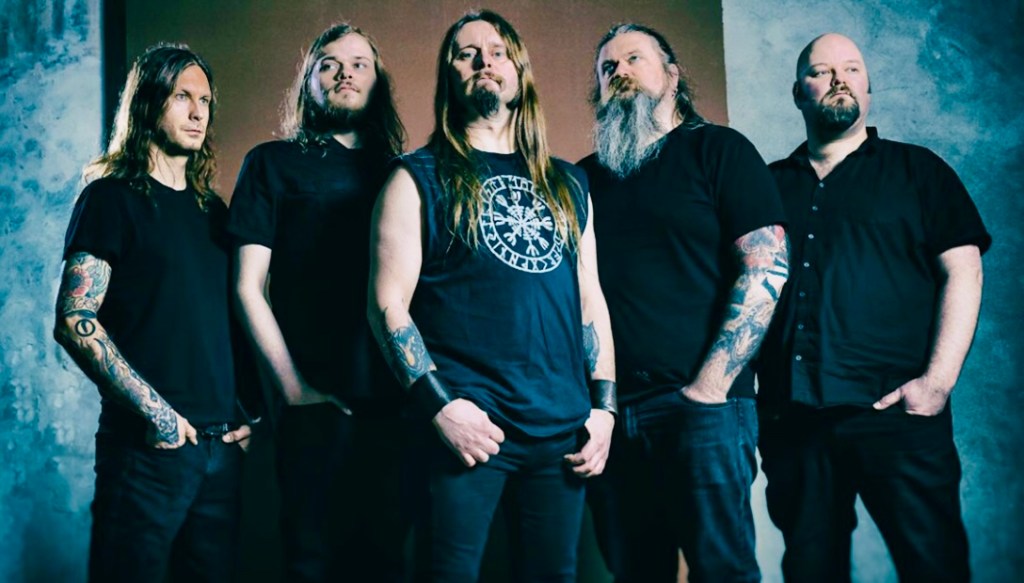
With their eighth album Isa, Enslaved perhaps showed their clearest shift away from traditional Black Metal yet, introducing the strong elements of Progressive Metal that would become a constant in their sound. After a soft synth soundscape the album drops with the intoxicating ‘Lunar Force,’ where the heavy vocals of Kjellson sit perfectly in the mix behind sweeping guitars.
The title track is one of Enslaved’s finest and remains a staple in their live sets. ‘Ascension’ is epic and powerful, methodical in its delivery and arrangement as it contrasts the dark and the light. ‘Bounded By Allegiance’ is thoroughly un-Black Metal with its chanting vocal, while ‘Violent Dawning’ is dark and experimental with an abstract rhythm. ‘Return To Yggdrasil’ is venomous and old-school, and at nearly 12 minutes – ‘Neogenesis’ showcases their diversity as Enslaved journey through a complex arrangement, with inter-changing styles. KZ
5. // Converge – You Fail Me

Converge are one of the most revered American Post-Hardcore bands, who are best known for their incredible fourth album Jane Doe, released in 2001. But they had been diligently plugging away in their native Salem, Massachusetts for a decade prior, with a sound built around the harsh and piercing vocals of Jacob Bannon, and the extraordinary guitar work of Kurt Ballou. As well as breaking ground for Extreme Metal, Jane Doe would also be the first Converge record to feature bassist Nate Newton and drummer Ben Koller – creating the same four-piece that are still playing together nearly 25 years later.
Converge with their new found success and incredibly strong line-up would sign to Epitaph Records, and release their follow up album You Fail Me in 2004. Expectations were high, and the band did not disappoint. Largely written on the road while touring Jane Doe, You Fail Me was recorded at Ballou’s now legendary GodCity Studio, and would crack the American Billboard 200 – no mean feat for a band with a record this extreme.
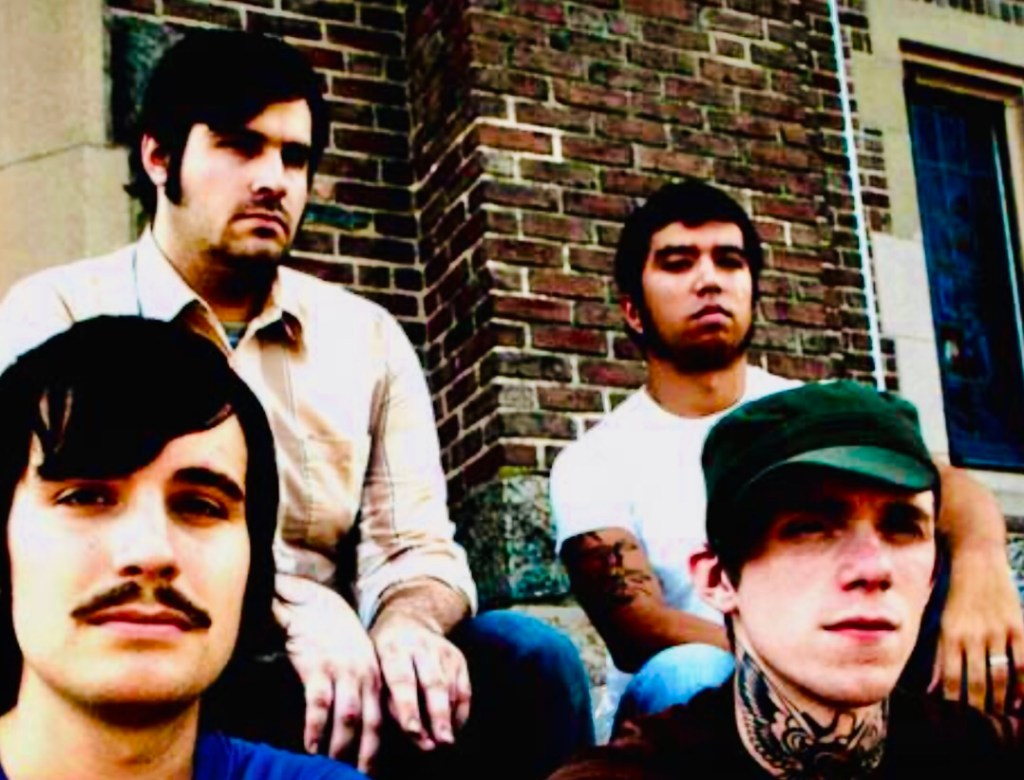
You Fail Me gently draws you in with Kurt Ballou’s isolated distorted guitar on ‘First Light,’ before eventually exploding into life. There is a loose feel to the production and tone of the record as Converge sound something like four incredibly tight musicians jamming together in a garage throughout. And the record is pretty much relentlessly heavy, with many of the songs such as ‘Black Cloud,’ ‘Hope Street’ and ‘Heartless’ – all providing short sharp blasts of aggressive Hardcore.
At the mid point, Converge drop the pace on the title track – providing a little more atmosphere with its grinding Sludgy vibe, while ‘In Her Shadow’ sees Ballou reach for his acoustic guitar while Bannon soulfully croons, The song builds into a mesmerising and deep Post-Rock work out, before the band return to their bread and butter of aggression on ‘Eagles Become Vultures,’ Wolves At My Door’ and ‘Death King.’ The record then finishes emphatically punky and heavy on ‘Hanging Moon.’ KZ
6. // Lamb Of God – Ashes of the Wake

Virginia based Lamb Of God are without question one of the most successful American Heavy Metal bands of the 2000s, perhaps succeeding Pantera as the undisputed kings of Groove-Metal. They formed way back in 1994, originally as Burn The Priest, and released their self-titled debut album in 1999 after five years of gigging, demoing, and a handful of EP releases. The band signed to Prosthetic Records, and after taking the decision to change their name (reportedly to avoid being thought of as Satanists) – Lamb Of God released New American Gospel in 2000.
Their reputation started to grow as the inevitable Pantera comparisons were made, and Lamb Of God would receive a cult following as they toured relentlessly before the release of album number three – As The Palaces Burn – in 2003. But it would be with Ashes Of The Wake a year later, that the band would create what many fans consider to be their masterpiece. Released on Epic Records, the album debuted at No 27 on the Billboard 2000, and would catapult them onto that year’s prestigious Ozzfest lineup.

Inspired in part by the events of the Iraq War, Ashes Of The Wake opens with a typically heavy juggernaut of a riff on ‘Laid To Rest’ – which perfectly sets the tone and groove for the rest of the record. While Blythe’s distinctive vocal drawl is evident from the off. ‘Hourglass’ has a pummelling and relentless rhythm, while the pace continues throughout on songs such as ‘Now You’ve Got Something To Die For’ and ‘The Faded Line.’
On ‘Omerta’ Lamb Of God deliver one of their all-time classics, complete with its spoken word intro taken from the Sicilian Mafia’s code of silence. ‘Blood Of The Scribe’ is a little more Thrash Metal, as is ‘What I’ve Become,’ while the title track is another absolute standout of the record, with prominent anti-war spoken word samples and shreddy guitar solos from Testament guitarist Alex Skolnick and ex-Megadeth guitarist Chris Poland. The album closes out with the initial melodic respite of ‘Remorse Is For The Dead,’ before delivering one last final flurry of all out aggression. KZ
7. // My Dying Bride – Songs of Darkness, Words of Light

Formed in 1990, My Dying Bride are one of three bands from the north of England who set the trend for a new Gothic / Doom Metal style that was born out of the Death Metal sound. Slowing the music down and blending the aggression with an eighties Gothic sensibility in the vein of Bauhaus, Fields Of The Nephilim and The Sisters Of Mercy. Along with Paradise Lost and Anathema, My Dying Bride were regarded as The Peaceville Three, having all signed with the British label at the time they were forging this new sound.
The band released a string of classic albums in the nineties, including As The Flower Withers (1992), Turn Loose The Swans (1993), The Angel And The Dark River (1995) and Like Gods Of The Sun (1996) – and were nothing if not prolific with their song-writing. With the duel vocal style of clean singing and Death Metal growls from vocalist Aaron Stainthorpe, My Dying Bride carved out their style in that initial decade, moving into the new millennium and always staying true to their roots as the Metal scene developed around them – while also sticking with the label they made their name with.

Songs Of Darkness, Words Of Light was their eighth studio LP and maintained the high standard that the band had set for themselves within their own niche sound, while the likes of Anathema and Paradise Lost had evolved and experimented with their styles more. ‘The Wreckage Of My Flesh’ starts slow, deep and heavy with Stainthorpe’s tortured sounding vocals and the ponderous guitars drawing you in to its thick and intoxicating fumes … a Gothic-Metal masterpiece!
The riffs throughout Songs Of Darkness are devilishly infectious, as highlighted by the intro of ‘The Scarlet Garden’ – with the song bleeding into Death-Doom territory, before switching to the melodic with eerie strings. Stainthorpe’s clean singing is thoroughly macabre on ‘Catherine Blake,’ entwining with a beautifully haunting lead guitar. ‘My Wine In Silence’ begins soft and gentle, lulling the listener into a false sense of security before twisting into an infinite darkness. Elsewhere ‘The Prize Of Beauty’ is dark and heavy in places, soft and Gothic in others – before the album closes out with the epic slow-burning groove on ‘A Doomed Lover.’ KZ
8. // The Dillinger Escape Plan – Miss Machine

The Dillinger Escape Plan are one of the pioneering bands of the Mathcore sound, incorporating all manner of odd time signatures, poly-rhythms and quirky genre-bending arrangements within their music. Put together from the ashes of the Hardcore-Punk band Arcane by guitarist Ben Weinman and vocalist Dimitri Minakakis, their debut album – Calculating Infinity (1999) – is considered a landmark release for the sub-genre, as TDEP would produce something completely new and unheard of at the time.
Their live shows were gaining notoriety for their intense and chaotic performances, perfectly matching the sound of chaos they were producing, and they quickly began to build a serious name for themselves. Faith No More vocalist Mike Patton was a fan, taking them on tour with his other band Mr Bungle. But following an intense touring schedule which also saw them head out with Botch, and join the Warped Tour, Minakakis left the band leaving TDEP searching for a new vocalist.
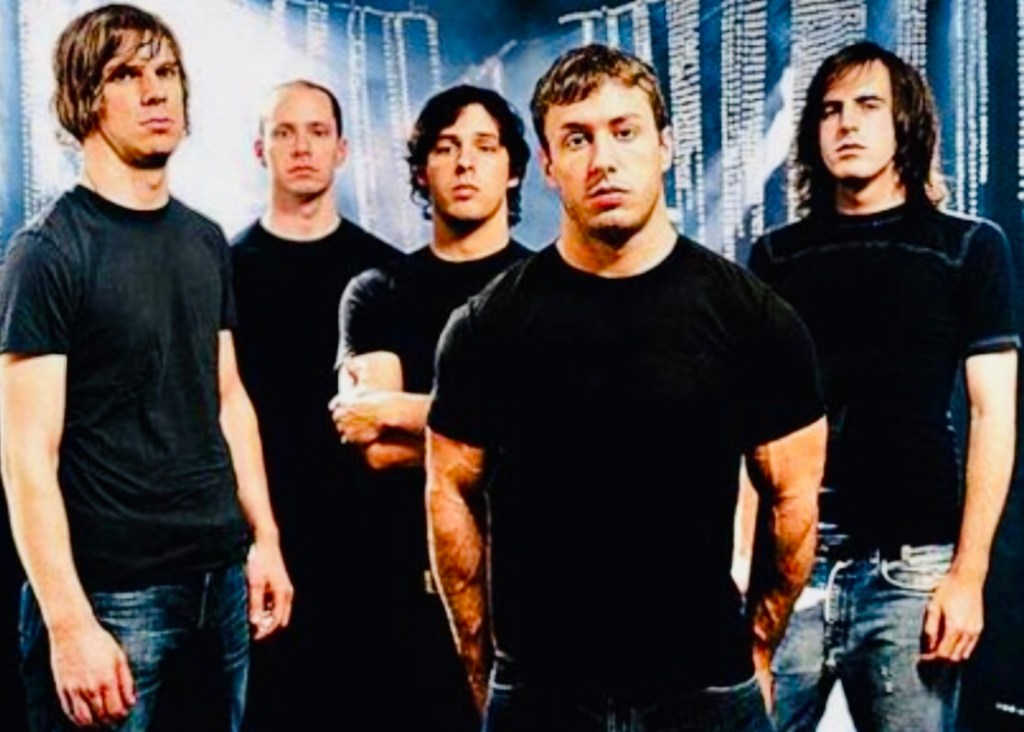
Little known Greg Puciato would win the band over with a solid demo and a couple of crushing rehearsals, and the fruit of their subsequent creative labour would be Miss Machine, released on Relapse Records. Huge tours with the likes of System Of A Down and Megadeth would follow for TDEP, and with their new line-up the band would continue to flourish and release a string of highly acclaimed albums, until parting ways at the end of 2017.
Compared to their debut, Miss Machine would spark a shift to a more experimental style for the band, and opens with pure frenetic chaos on ‘Panasonic Youth.’ Puciato’s vocal range is incredible throughout and the complex guitar licks of Weinman are just mind-bending. There are moments on Miss Machine that are avant-garde, mixed within moments of pure chaotic heaviness. Meandering breaks, Jazz inspired instrumentals, Industrial rhythms … this is a record which provides one hell of a genre-blurring journey from start to finish. KZ
Words by – Abstrakt_Soul
https://amzn.eu/d/b5TAnqi
 kult-zilla.com
Leave a comment