
https://amzn.eu/d/b5TAnqi
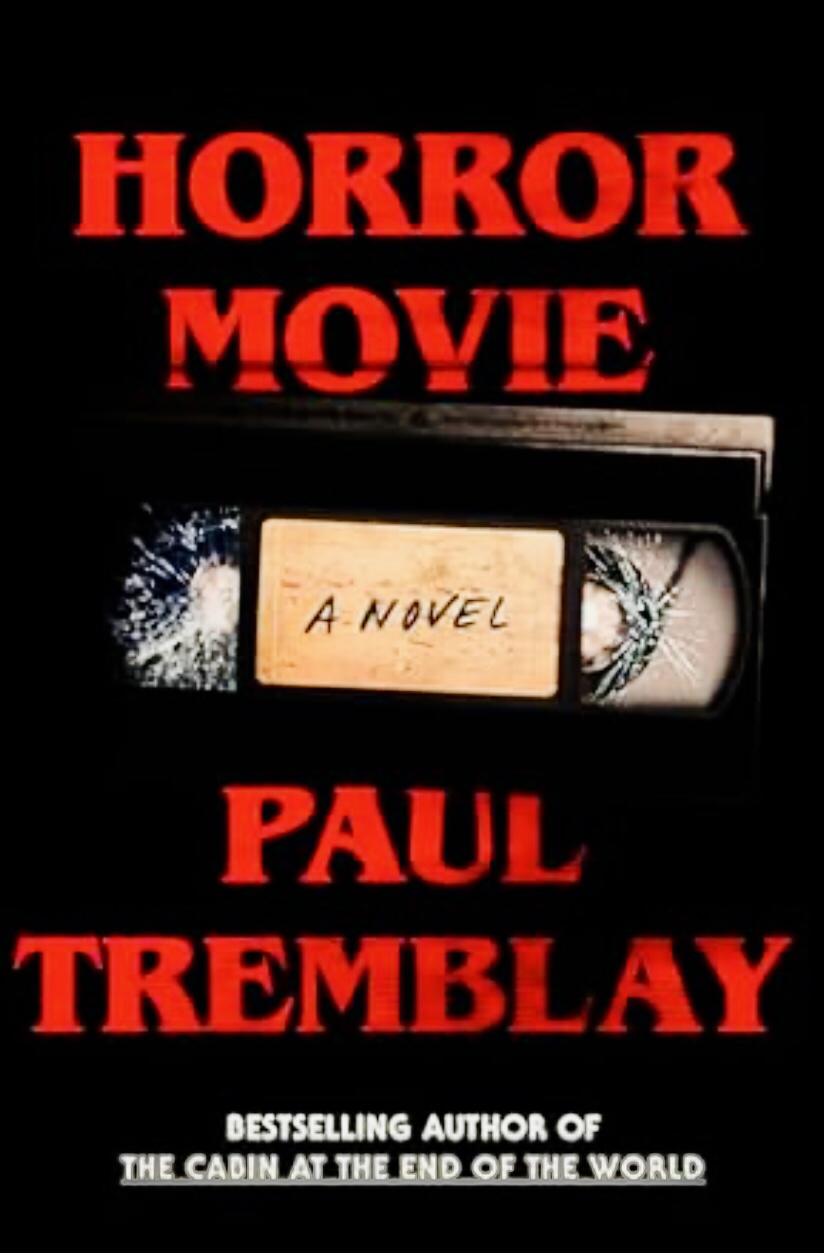
For many in the Horror literature community, Paul Tremblay is considered to be one of the finest writers of contemporary genre fiction. And he is perhaps best widely known for his 2018 story The Cabin at the End of the World, which won the 2019 Bram Stoker Award for best novel – and was adapted into the movie Knock at the Cabin (2023) by director M. Night Shyamalan (The Sixth Sense), starring Dave Bautista (Guardians of the Galaxy) and Jonathan Groff (Mindhunter).
Tremblay is well known for putting a fresh take and a modern spin on classic sub-genres, tackling Possession-Horror in the critically acclaimed A Head Full of Ghosts (2015), and Virus / Infection-Horror in 2020’s Survivor Song. With Horror Movie he is looking at the mythology of the Cursed-Film genre, while taking inspiration and paying homage to a number of classic Horror flicks, such as A Texas Chainsaw Massacre (1974) and (randomly) A Nightmare on Elm Street Part 2: Freddy’s Revenge (1985).

The book looks at the retelling of the making of an indie Horror Movie back in 1993, a year carefully chosen by Tremblay being at the end of the 80s Slasher heyday, in which the A Nightmare on Elm Street, Friday the Thirteenth and Halloween franchises were all on a downward spiral, and before a resurgence of the genre would rise from the ashes with Wes Craven’s Scream in 1995. The narrator of our tale is the unnamed actor who played the film’s antagonist, simply known as The Thin Kid – the only surviving party thirty years later, from the small production crew of the film.
Due to a tragedy on set, Horror Movie was never completed, and the film was banished to live only as a legendary whisper on the lips of Horror fans. A whisper that turns into a cult phenomenon when three completed scenes of the movie, along with the original screenplay are surprisingly uploaded onto YouTube one day. This serves to heighten the reputation of the damned production, and our narrator finds himself involved in the filming of a reboot of the film, based on the original script.

Interestingly Tremblay sets his story across multiple time periods, and combines the narrators memory of the filming 30 years prior, with the the actual screenplay of the movie. Reminiscent in style of Stephen King’s novel Misery (1987) in which he creates a story within a story, which is read concurrent with the main narrative. However Tremblay’s spin on this technique is sophisticated in the way that we read the narrators memories of the past, alongside the script. Which is provided in chronological order, thus allowing the reader to engage in the suspense of the narrative, and unravel the story’s mystery as the novel progresses – and as if we were watching the film itself.
Some of the descriptive writing from Tremblay is wonderfully creepy, when he paints the picture of an old abandoned school for example, as well as that of the demonic mask that is placed over the face of The Thin Kid – and the debilitating effect this has on him over time. There are also blood-curdling moments of gross-out gore provided by the author, who’s depiction of a number of scenes of torture, well and truly gets under your skin.
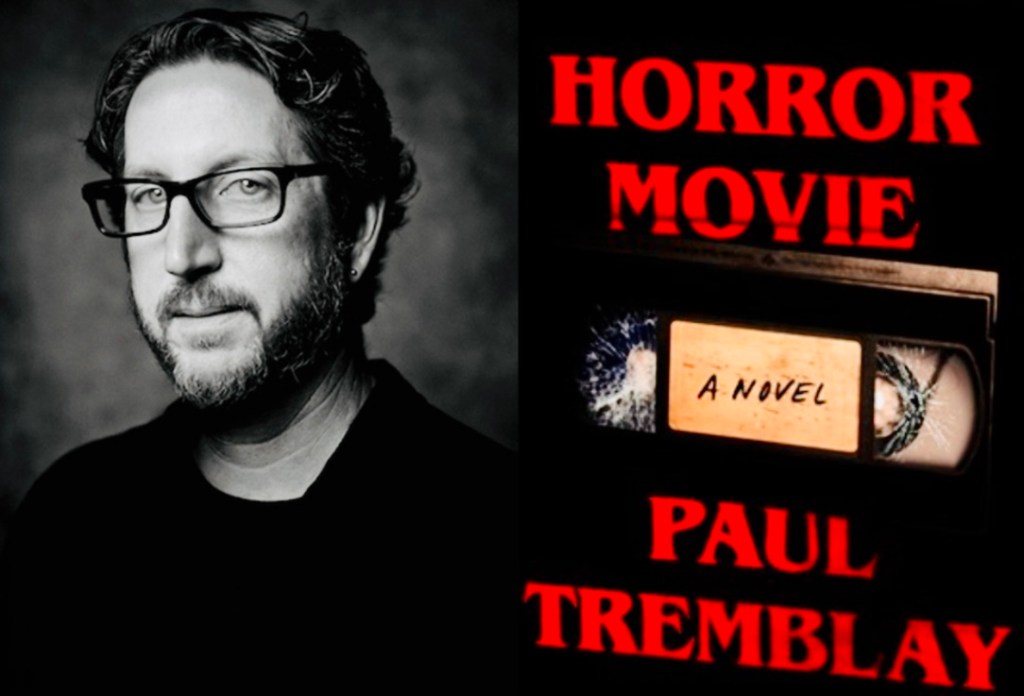
A number of genre themes are intriguingly explored by Tremblay, who provides a cynical view of modern Hollywood – using his own experience of his involvement behind the scenes during the making of A Knock at the Cabin, in addition to his experiences as a ‘buzz’ writer on the Horror convention circuits. The story also serves to provide a thoroughly interesting meta-commentary on the production of a low budget 90s Horror flick, as well as exploring themes of suicide, fate and an all encompassing approach to method acting. The book is somewhat of a slow-burn, taking it’s time to build up to the action and reveal its hand, as it drip feeds clues as to where it is headed throughout.
But when the action finally explodes, Tremblay delivers a thrilling climax and a thoroughly satisfying conclusion, with a final dark twist which stays with you and offers a contrasting perspective to how you feel about the ride you have just been complicit in. In addition to referencing some of the great Horror movies of the past, there is also an elongated scene toward the end, which is delivered purposefully and uncomfortably slow to build the suspense. Reminiscent in style of a couple of recent films – Skinamarink (2023) and In A Violent Nature (2024) – in both the scene’s approach and delivery. Highlighting Tremblay’s firm finger on the pulse of the genre, in all its forms. KZ
8/10
Words by Mark Bates
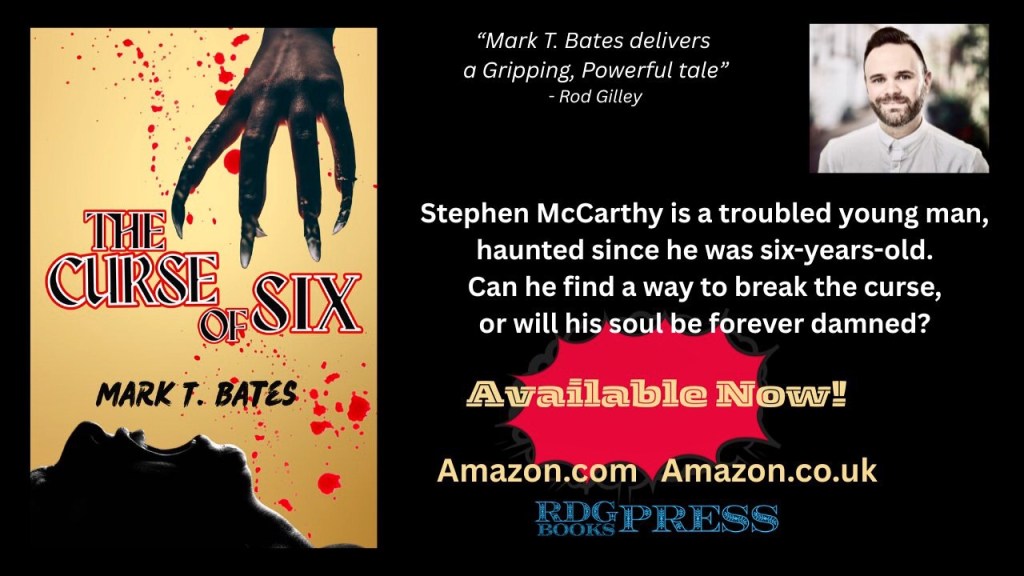
https://amzn.eu/d/b5TAnqi
Kult-Zilla’s – Essential Horror Books – 2024!

 kult-zilla.com
Leave a comment