

https://amzn.eu/d/b5TAnqi
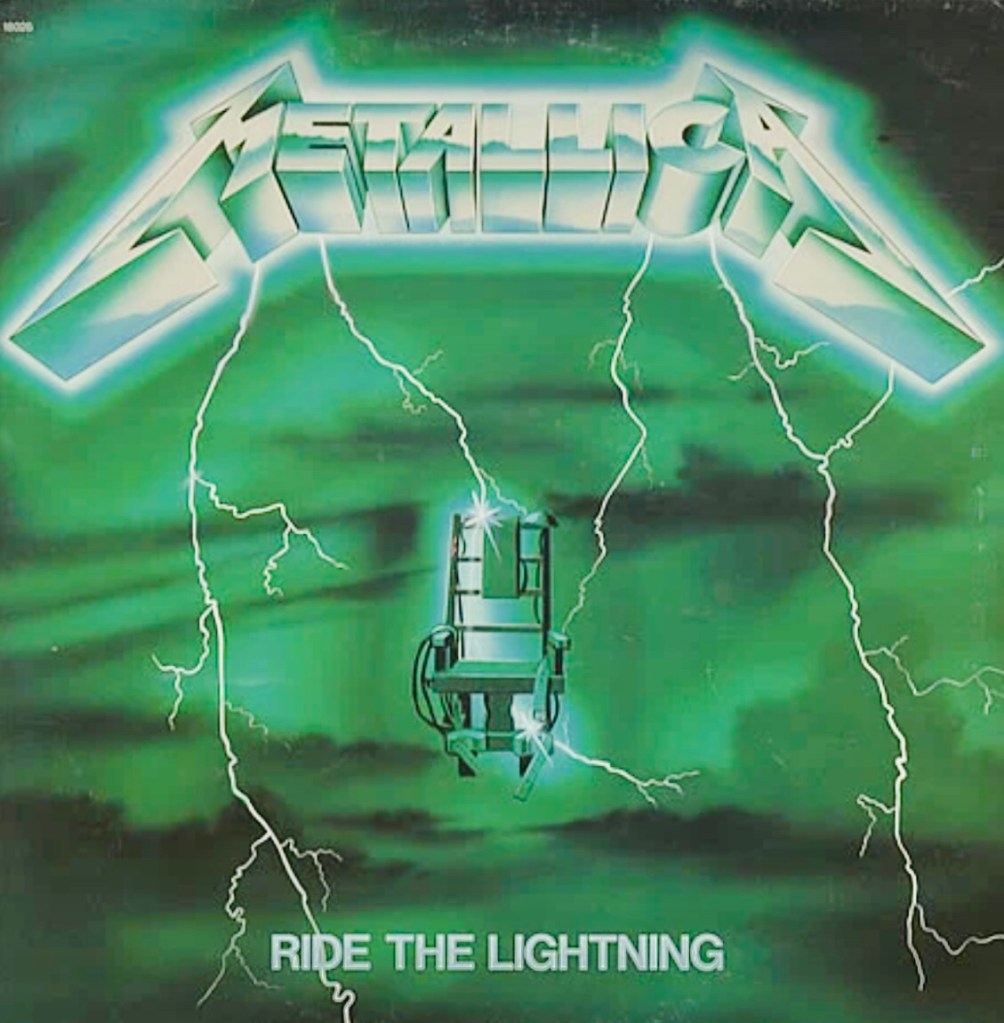
Released on July 27th 1984 – Ride The Lightning was the second album from Heavy Metal titans Metallica. A band who are now the most recognisable and financially successful Heavy Metal band of all time, but back then were still finding themselves as song-writers looking to capitalise on the early buzz of their debut Kill Em All (1983). And with their sophomore release, they would produce not only one of the great Metal albums of the era, but also a record that would be instrumental in the evolution of the emerging Thrash style. A sound that would now begin to explode out of the underground and into a worldwide phenomenon.
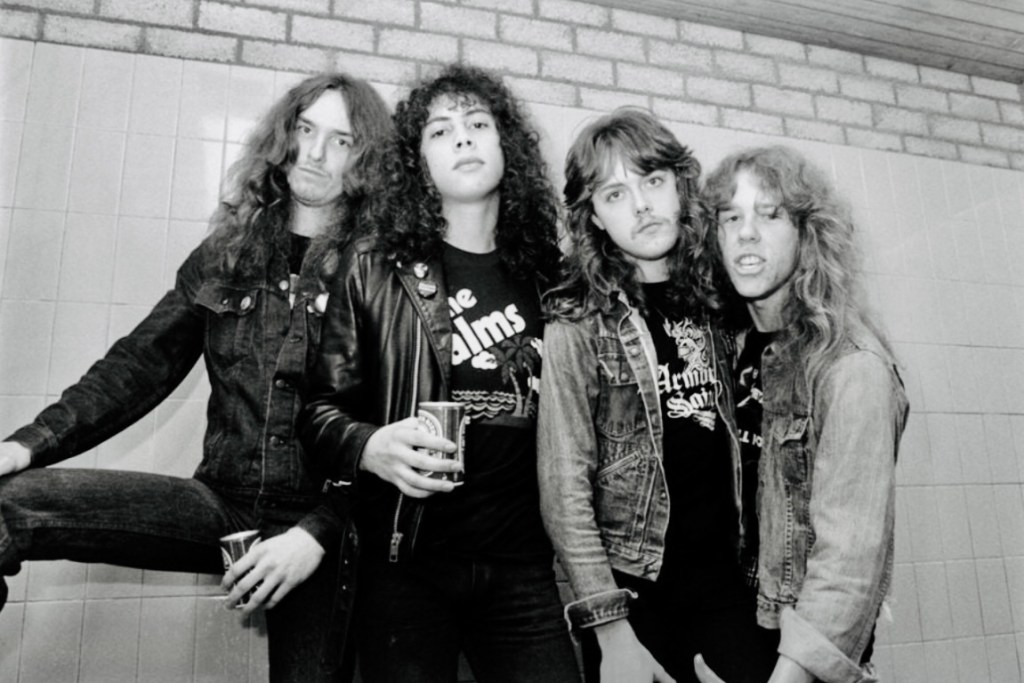
Originally released on Megaforce Records, Ride The Lightning was soon reissued after Metallica signed a major label deal with Elektra Records. It was recorded in just three weeks at Copenhagen’s Sweet Silence Studio’s with producer Flemming Rasmussen, a partnership which would continue with their next two releases – Master of Puppets (1986) and … And Justice for All (1988). Metallica were penniless at the time of recording this seminal record (go figure!) – living out of their tour bus, as well as on the studio floor during the remarkable sessions.

And Ride the Lightning felt like such a huge step forward musically for the band, with a greater influence from music theorist and bass player Cliff Burton (RIP), who would be pivotal in the writing of this and its follow up – with the pair of albums now considered to be Metallica in their absolute prime.
Burton would of course sadly pass away following a tour bus crash in 1986, and retrospectively this album can be looked upon as part-one of the extraordinary creative works of a remarkable talent taken way before his time. His instantly recognisable bass-line which opens ‘For Whom the Bell Tolls,’ provides the perfect example of his impressive and creative riff writing.
Where Kill Em All had a raw and somewhat primitive sound, Ride the Lightning is comparatively mature. A cohesive record which flows through varying styles with exquisite song-writing from start to finish. The record, which was named after a line in Stephen King’s 1978 novel The Stand, is lyrically melancholic as it explores interconnecting themes including nuclear devastation, suicide and the afterlife. The themes flow in such a way that an overall story can be heard from start to finish, as the song arrangement moves from one chapter to the next.
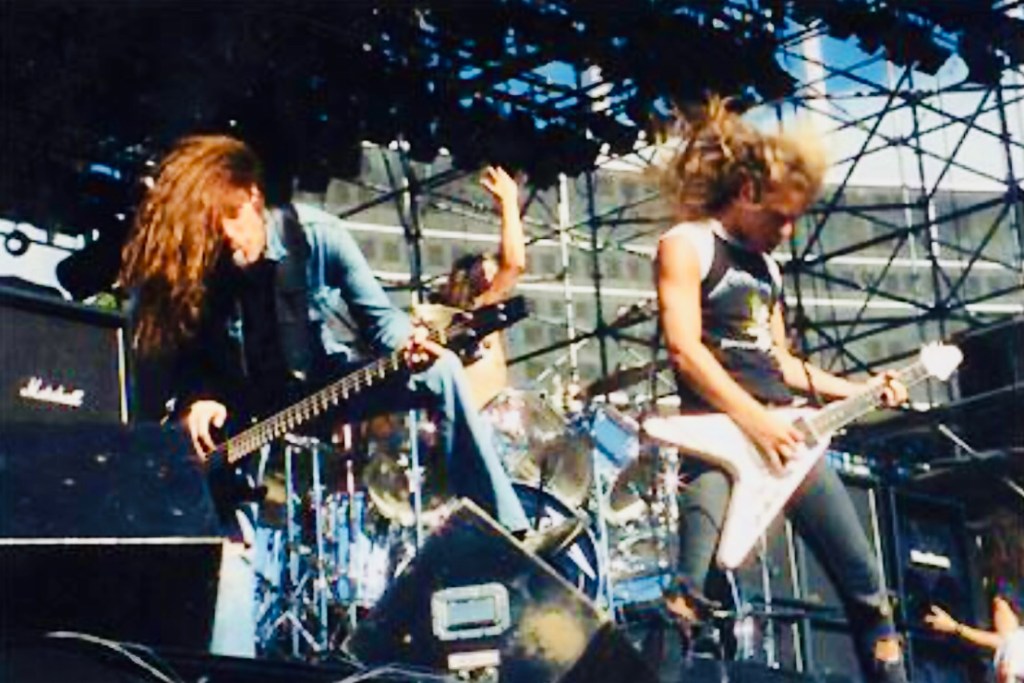
The record opens with ‘Fight Fire With Fire,’ lulling you into a false sense of security with a classical acoustic intro written by Burton – almost medieval sounding in tone – before Lars Ulrich provides a shimmering percussive high and the song explodes into one of the fastest and heaviest riffs in the whole of Metallica’s arsenal. The sweeping rhythm guitar of James Hetfield perfectly compliments his metallic sounding vocals, which instantly have a far maturer quality to their sound than they did on Kill Em All. And the song delivers the first impressive shredding of the album from lead guitarist Kirk Hammett.
The title track ‘Ride the Lightning’ opens with a chugging riff, and is one of two songs to feature a writing credit for their former guitarist; Megadeth frontman Dave Mustaine. It features one of the all time great instrumental drops, which builds into another sumptuous lead from Hammett – part Eddie Van Halen / part Randy Rhoads – in its delivery. In addition to Burton’s iconic intro on ‘For Whom The Bell Tolls,’ this song memorably drops the albums tempo – sounding something like a funeral-march from a Hammer Horror film – before it rolls into another incredibly infectious Hetfield riff.
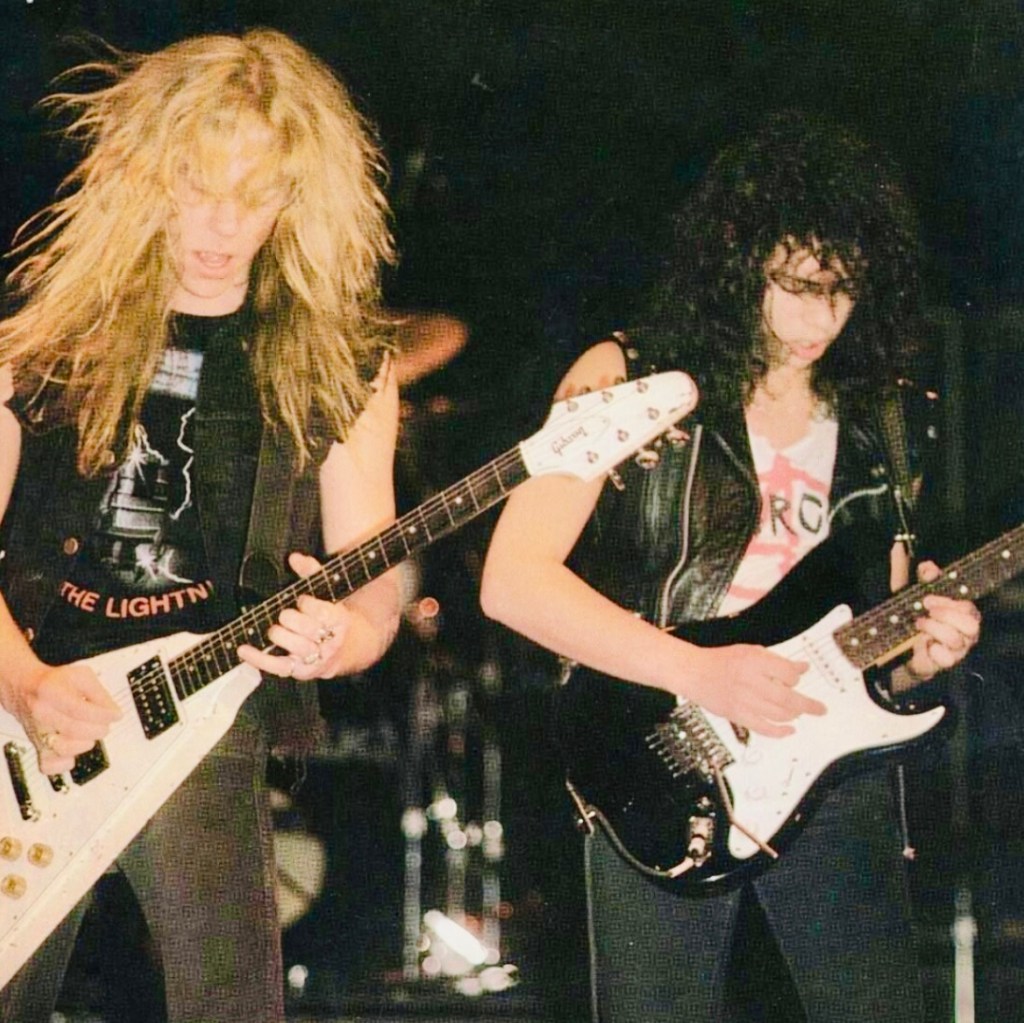
Metallica then proceed to rip up their own rule book on ‘Fade to Black’ which is often considered to be their first ballad. Opening with an acoustic rhythm guitar and a melodic lead from Hammett, the vocals of Hetfield then show early signs of the clean singing he would produce again throughout his career, on songs such as ‘Nothing Else Matters’ and ‘The Unforgiven’ (both from the 1991 ‘Black’ album). The song culminates in a thoroughly captivating and emotionally charged instrumental section.
‘Trapped Under Ice’ once again increases the pace of the album and is yet another iconic proto-Thrash song from the band, full of great riffs and vocal hooks. While ‘Escape’ drops us back down with a prevalent NWOBHM influence, in a style inspired by the likes of Iron Maiden and Judas Priest. The record then finishes with what is perhaps one of the best one-two punches in Metal, as the phenomenal opening riff of ‘Creeping Death’ – a bonafide Metallica and Thrash Metal classic – gives way to one of the all time great fist pumping Metallica choruses.
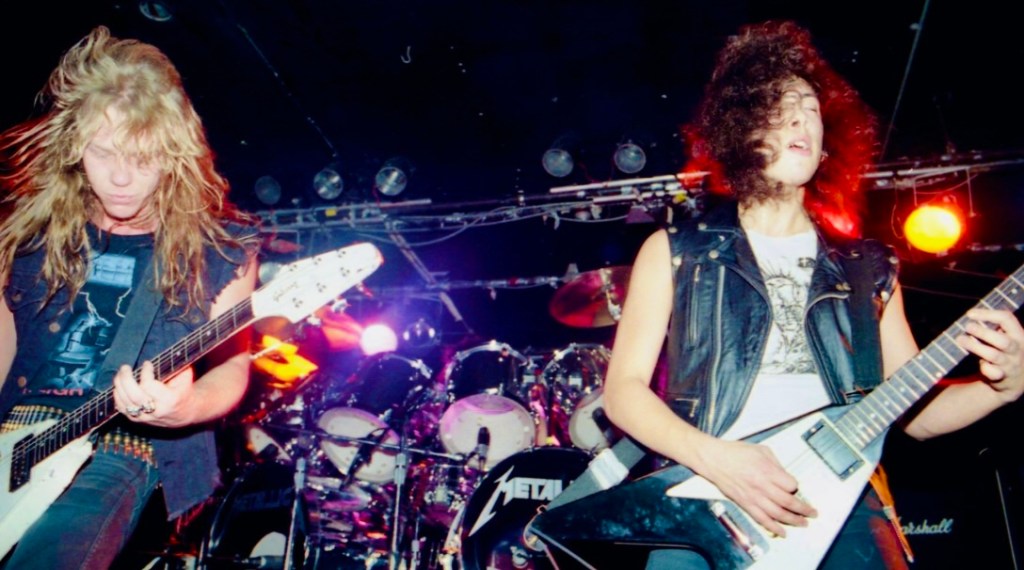
Leaving the second significant instrumental composition of their career – ‘The Call of Ktulu’ – to masterfully play out the record. This is the second (and last) song to be partially credited to Dave Mustaine, and what a climax it is. A flowing journey of sound named after the legendary inter-dimensional H.P Lovecraft monster – which builds with an intoxicating quality as the guitars weave magic across a pulsating rhythm section. One of the great instrumental Metal tracks of all time, and a fitting end to this masterpiece of a record. A landmark release from a young band, who whether they knew it or not at the time, were soon going to have the Metal world at their feet. KZ
Words by Abstrakt_Soul

https://amzn.eu/d/b5TAnqi
Metallica // Architects // Mammoth WVH // Live @ Parken Stadium, Copenhagen // 14.06.2024
 kult-zilla.com
Leave a comment