

https://amzn.eu/d/b5TAnqi
1. // The Terminator
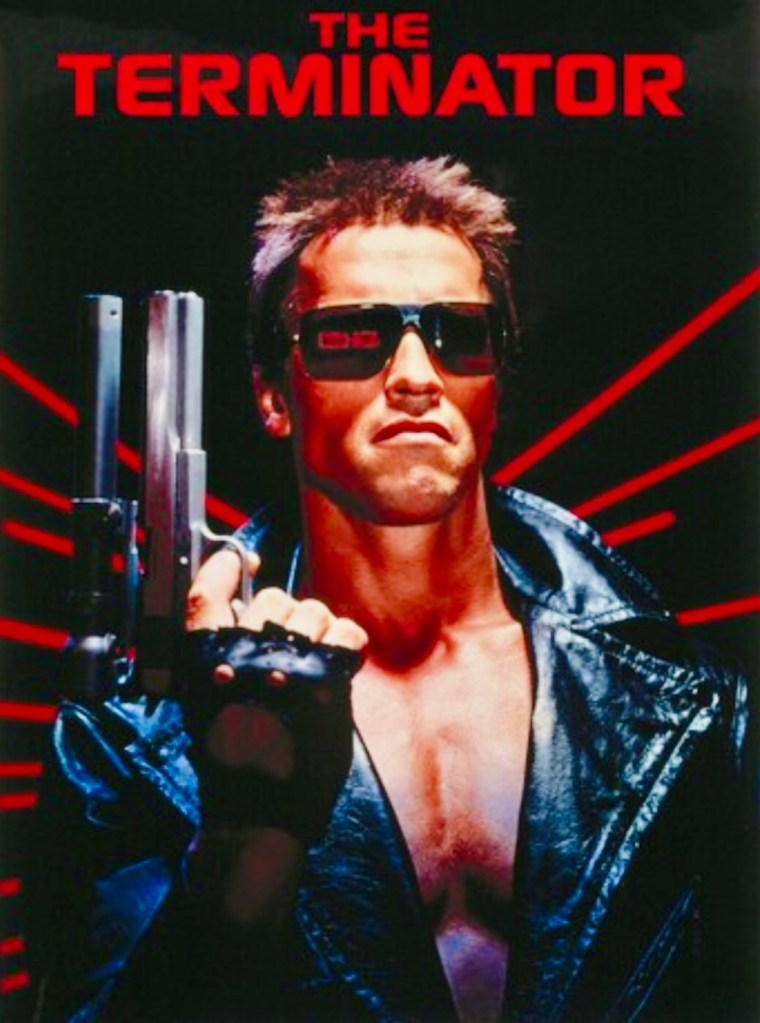
In 1984 James Cameron was a little known director whose only output to date was the monster B-Movie sequel Piranha Part Two: The Spawning (1982). But his next move would be to create The Terminator, the beginning of one of the all time great Sci-Fi movie sagas – while kick-starting his own career which would go on to supply a succession of incredible films including Aliens (1986), The Abyss (1989) and of course Terminator 2: Judgement Day (1981). While The Terminator would also largely be responsible for catapulting a certain Mr Arnold Schwarzenegger (Conan The Barbarian) into the publics conscious, while laying the groundwork for the career of the man who would go on to become the biggest Action-Movie star in the world.

The Terminator is a masterclass in story-telling, wrapping a thoroughly intriguing narrative which blends the Science Fiction of time travel and robotics in a near future dystopia, with classic Action and Slasher-Horror tones. Blurring the genres to create a near perfect movie. Schwarzenegger of course, plays the title role. A cyborg killing machine in human skin sent back to 1984 from the future in order to murder Sarah Connor (Linda Hamilton – Children Of The Corn). The mother of John Connor, the as yet unborn future leader of a human resistance, who are at war with an army of AI machines following their detonation of a nuclear Judgement Day on Earth.
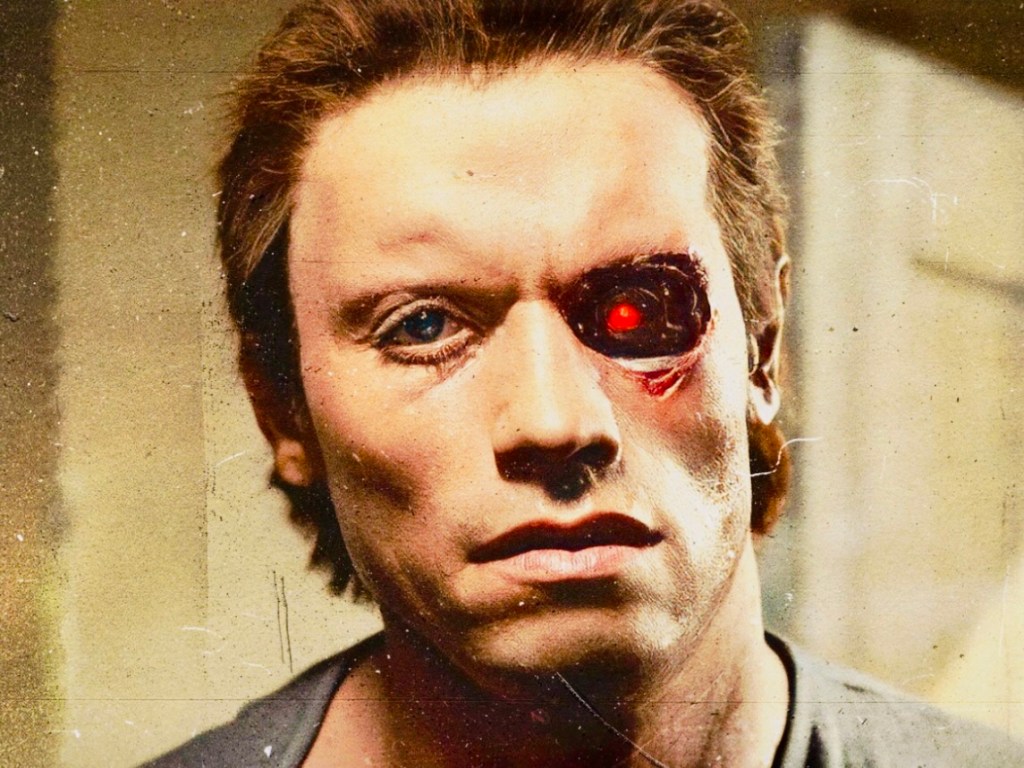
Kyle Reese (Michael Biehn – Aliens) is the human soldier also sent back in time by John Connor to protect his mother and destroy The Terminator sent to kill her. Such an amazing and unique premise for the time, which plays out masterfully and is excellently paced. Directed by Cameron on a relatively modest reported budget of around $6.4 million, he would create a film which not only delivers perfect character studies, but also ground-breaking action sequences and impressive practical F/X for the time. The story wraps up with a poignant and heart warming reveal between the characters of Sarah and Reese – providing a thoroughly clever and thought-provoking paradox, which elevates the story even further. KZ
2. // A Nightmare On Elm Street
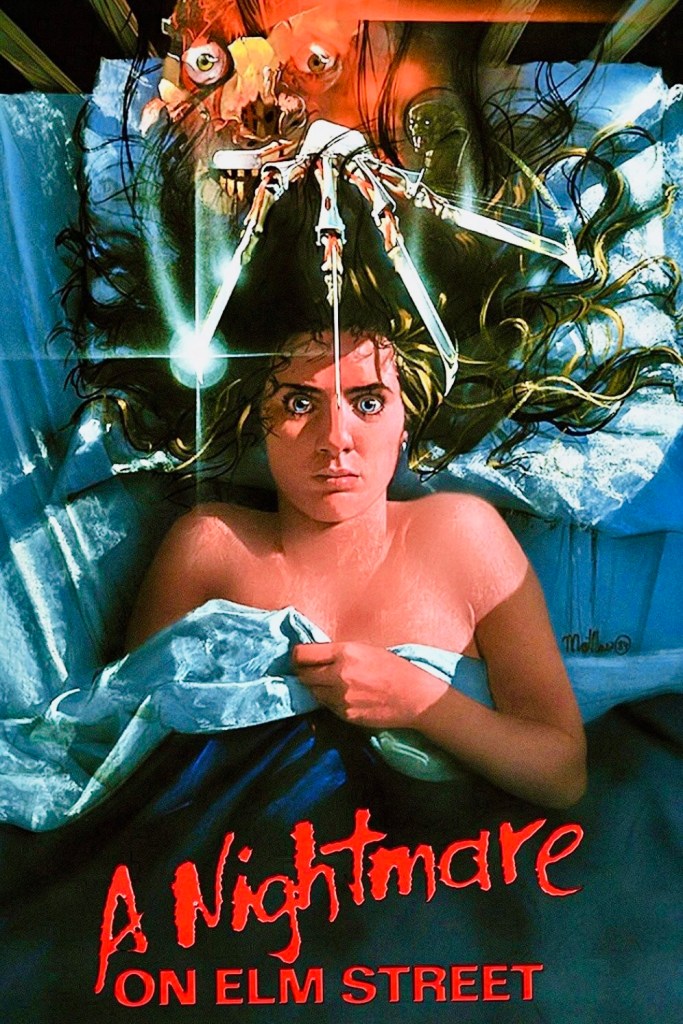
Director Wes Craven is rightly considered to be one of the Masters of Horror cinema. But following an early career creating low budget exploitation Thrillers such as The Last House On The Left (1972) and The Hills Have Eyes (1977), he found himself directing a financial studio disaster in Swamp Thing (1982). His career wasn’t exactly taking off, but that would all soon change when he delivered his next project – A Nightmare On Elm Street – a Slasher-Horror flick with a difference. This was a movie that would go on to kick-start one of the all-time successful Horror franchises, and one of the all-time recognisable and iconic antagonists in Freddy Krueger (Robert Englund).

With A Nightmare On Elm Street, Craven would take Horror into a place it had never gone before, into the dreamworld. Where Freddy, the razor-fingered killer with a burned face had complete control. Taking his sleeping victims to the brink of terror, before slashing them in their nightmares where they would then also die in the real world. Such an amazing and unique concept for the time which was executed to perfection by Craven, Englund and the rest of the cast. And by creating Horror in the dreamworld, Craven was able to do so much more with his killer than could be done with the likes of Halloween’s Michael Myers, or Friday The 13th’s Jason Vorhees.
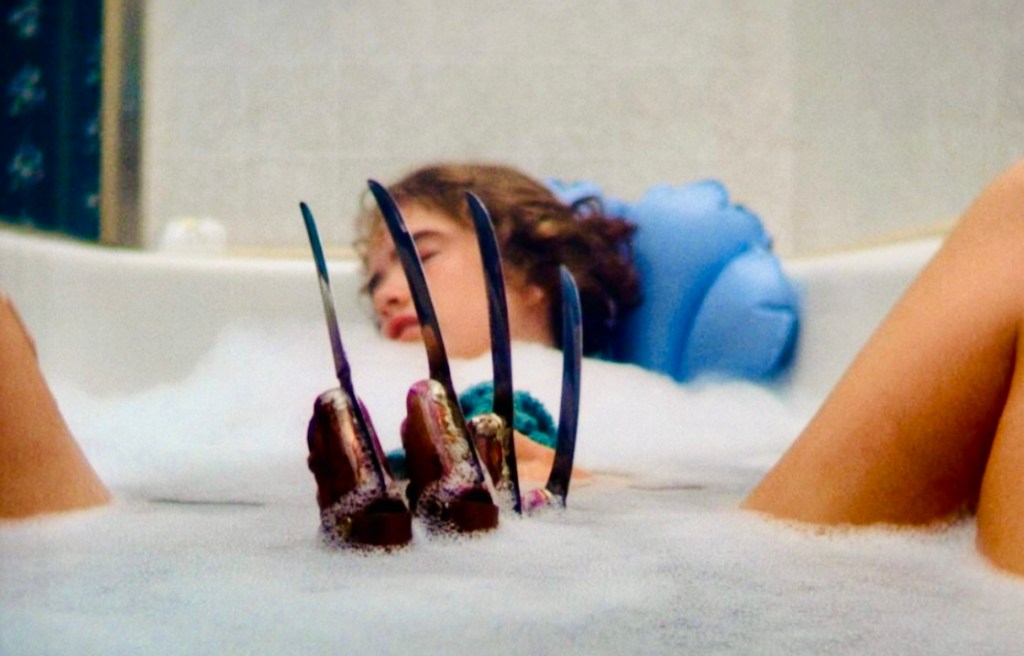
Subsequently Freddy Krueger was a killer unlike anything cinema had seen before. A demonic child-killing psychopath, who took extreme pleasure in the hunt of his prey, making for captivating viewing. Craven matched his killer with a relatable cast of High-Schoolers for the desired young adult market, including the ultimate ‘Final Girl’ Nancy Thompson (Heather Langenkamp – New Nightmare) – and a debut role for a certain Johnny Depp as her boyfriend Glen. Craven reportedly made the movie for around $1.1 million, and it went on to gross $57 million in theatres worldwide. Providing Craven and producers New Line Cinema with a much needed hit – and the Horror genre with something unmistakably fresh and exciting. KZ
3. // Ghostbusters
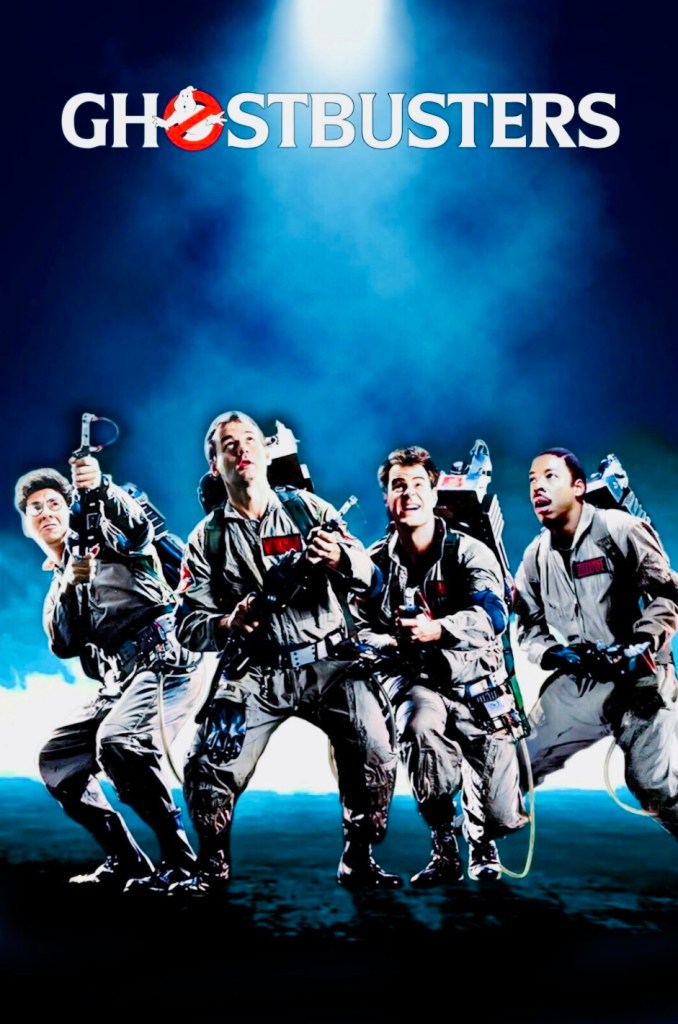
Another movie totally original in its concept, while blurring various genres with perfect execution … was Ghostbusters. A supernatural Sci-Fi Comedy which is one of the first iconic films you think of from the era. Everything about Ghostbusters just fits like a favourite old jumper. Written by and starring two of the era’s finest movie comics – Dan Aykroyd (The Blues Brothers) and Harold Ramis (Caddyshack) – the film aso featured the talents of Bill Murray (Groundhog Day), Sigourney Weaver (Alien), Rick Moranis (Honey, I Shrunk The Kids) and Ernie Hudson (The Crow) in front of the camera.
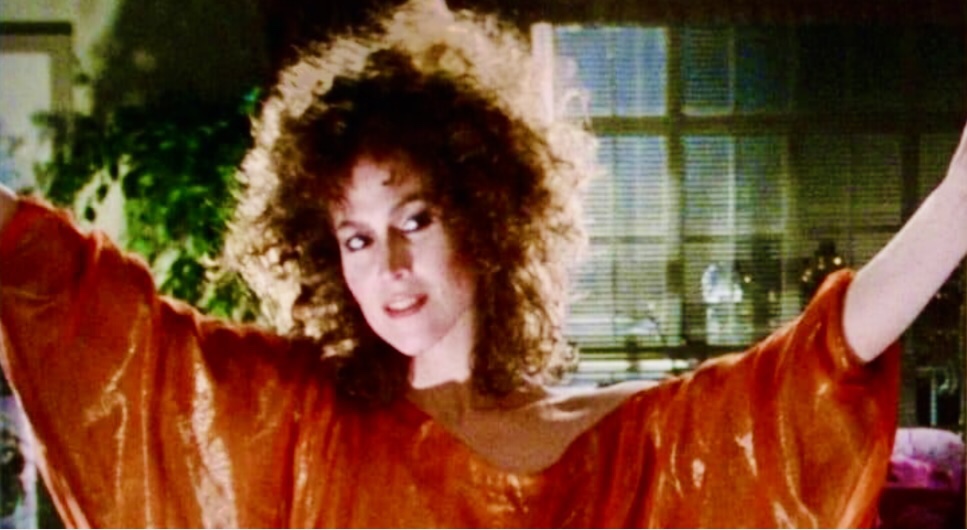
So much talent was on display, with the ensemble cast alongside director Ivan Reitman (Twins) creating a masterpiece that took the 80s by storm. Becoming a cultural phenomenon that would go on to dominate children’s toy and merchandise markets – as well as producing a decent sequel in Ghostbusters II (1989) and The Real Ghostbusters (1986) – a long running and successful children’s cartoon series. In addition, Ghostbusters spawned a number of video-games, and of course that iconic theme song by Ray Parker Jr. A true crossover blockbuster if ever there was one.
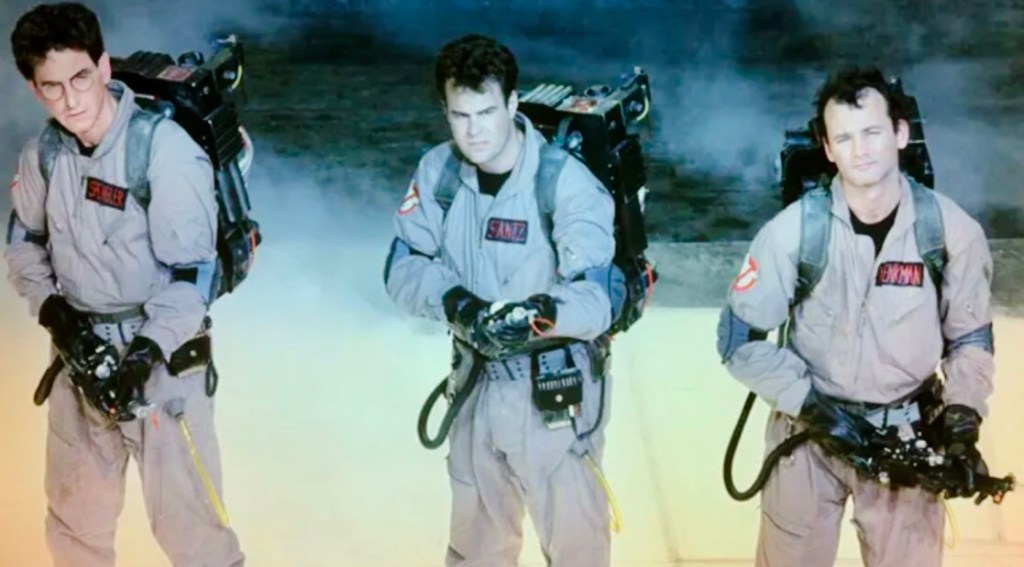
The comic-timing and delivery by its three main leads came together perfectly, with the actors gelling as three parapsychology professors, who following a shared supernatural encounter start a New York ghost-busting business. The Ghostbusters end up biting off more than they can chew as the city becomes overrun with phantoms, and they find themselves in the middle of a pending inter-dimensional apocalypse. Working together to defeat the demonic threat before ending the movie as heroes. A simple yet devastatingly effective concept, brought together with stunning visuals for the era – and via an incredibly smart and witty script. KZ
4. // Indiana Jones and the Temple of Doom
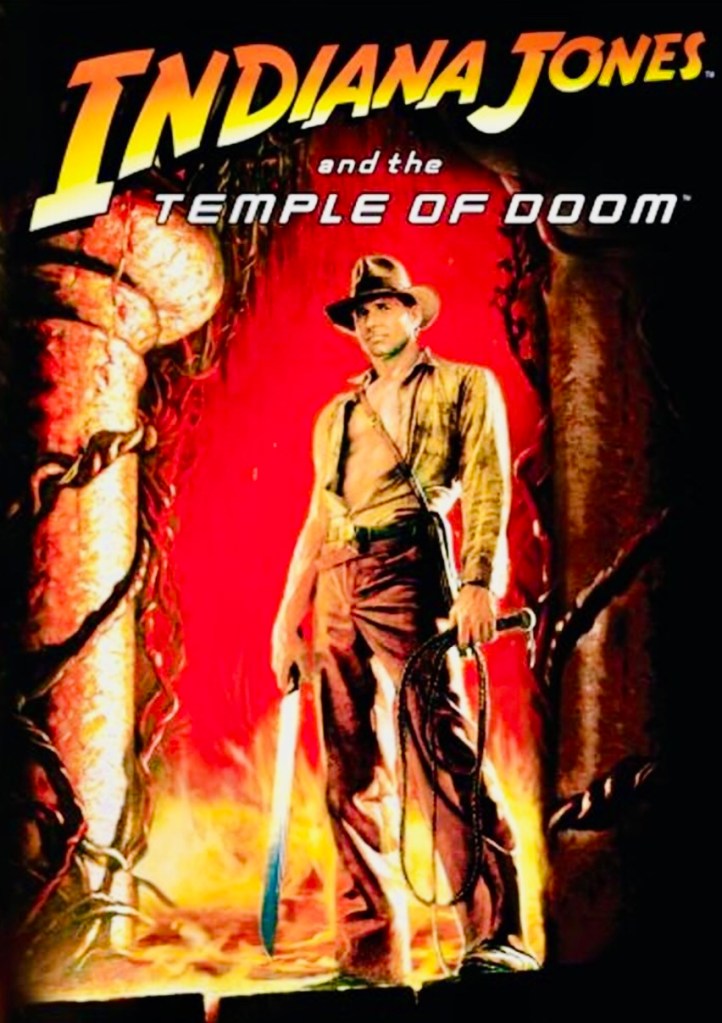
After reinventing the Sci-Fi genre with Star Wars: A New Hope (1977) and its sequel The Empire Strikes Back (1980), George Lucas looked to try his hand at the Action-Adventure genre – with a throwback movie to the old pulp-serials of the 1940s and 50s. The result was Raiders Of the Lost Ark (1981), a film that would go on to spawn a second widely popular and financially successful franchise for the filmmaker. While introducing the world to the adventuring archeologist Indiana Jones – casting of course his Star Wars Han Solo actor Harrison Ford in the lead role.
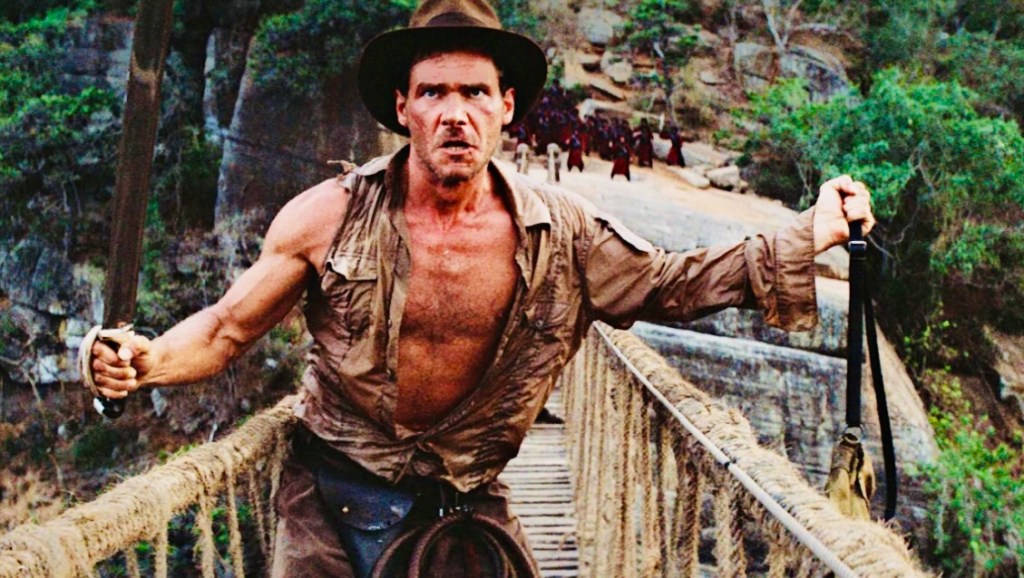
Indiana Jones and the Temple Of Doom was the hotly anticipated standalone sequel – well prequel of sorts to Raiders Of The Lost Ark, given it was set earlier in the timeline – and the movie absolutely did not disappoint. Living up to the heights of the first film, while tonally taking the series into darker waters – with its themes of child slavery and ancient Indian witchcraft. It’s a movie that is absolutely a product of its time, and probably could never be made in the same way again today. But it is such a throwback to old school filmmaking, and is a quintessential slice of cinema from 1984.
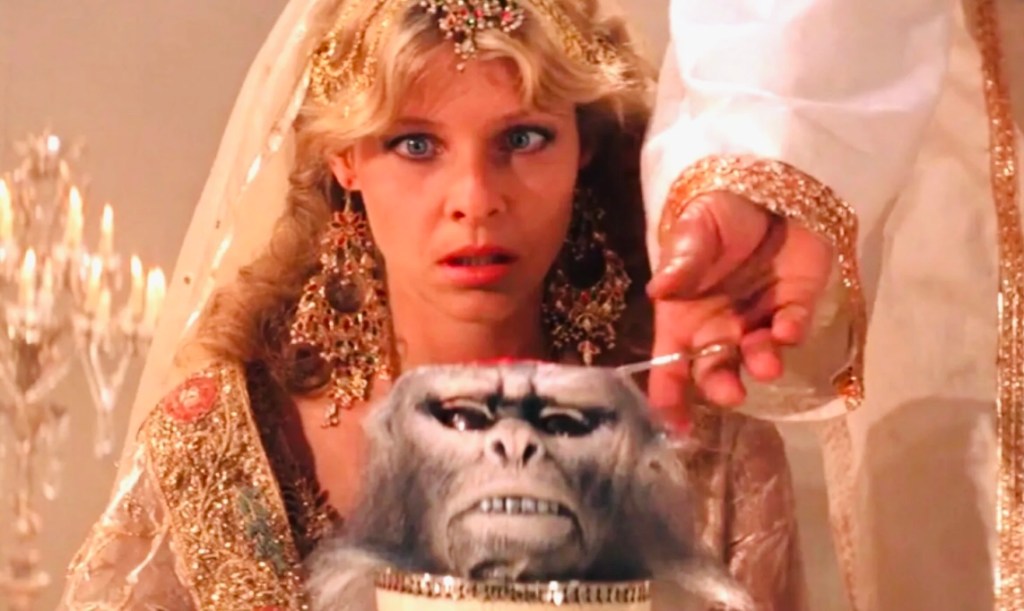
With Steven Spielberg (Jaws) returning to the directors chair, Harrison Ford returning to his role as Indie, a supporting cast including Kate Capshaw (Black Rain) and Ke Huey Quan (The Goonies), and gorgeous on set locations – the stage was certainly set for perhaps the most memorable and unique Indiana Jones films of the entire series. The 80s movie nostalgia is huge with this one, with an abundance of unforgettable chase sequences, great practical FX and moments of pure Horror – provided by some gruesome set pieces. Especially horrific for those with a disliking of snakes and creepy crawlies! KZ
5. // Gremlins

In a year that just seemed to provide one iconic movie after another, Gremlins is yet another example of a film that arrived and absolutely tapped into 80s pop-culture in a big way. Again blurring genres as it combines Horror-Comedy with Creature-Feature Fantasy – wrapped up in a small town Christmas setting, and all blending perfectly to create one of the most beloved ‘Gateway Horror flicks’ – giving younger audiences a chance to taste the darker side of cinema. And for any kids growing up in the 80s and 90s, watching Gremlins will have likely always provided a great childhood memory.
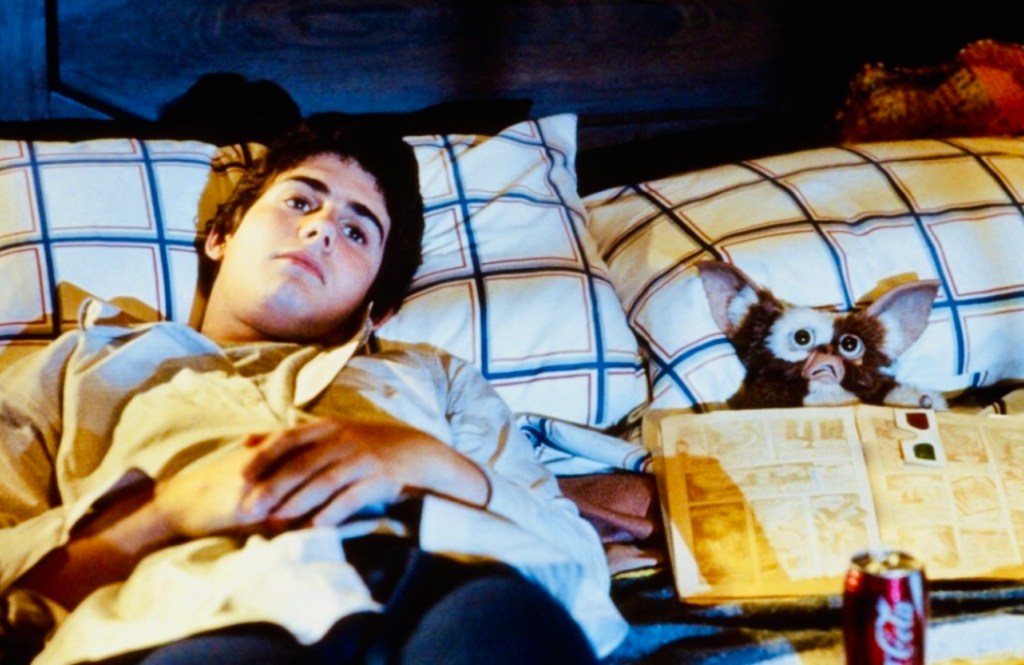
The movie opens with struggling inventor Randall Peltzer (Hoyt Axton) visiting a mystical antique brick-a-brack shop in Chinatown on Christmas Eve. He stumbles across a strange and fantastical creature – a Mogwai. He decides it will be the perfect Christmas present for his son, and against the wise old shop-owner’s wishes, his grandson sells the creature. It comes with three very important rules. Keep him out of sunlight, don’t get him wet and most important of all – never feed him after midnight. And so the lore is set for an outrageous movie, which of course turns to disaster when the rules are broken and Gizmo multiplies, with his fellow Mogwai eventually showing their true colours as they turn into evil little monsters … and start terrorising the town.
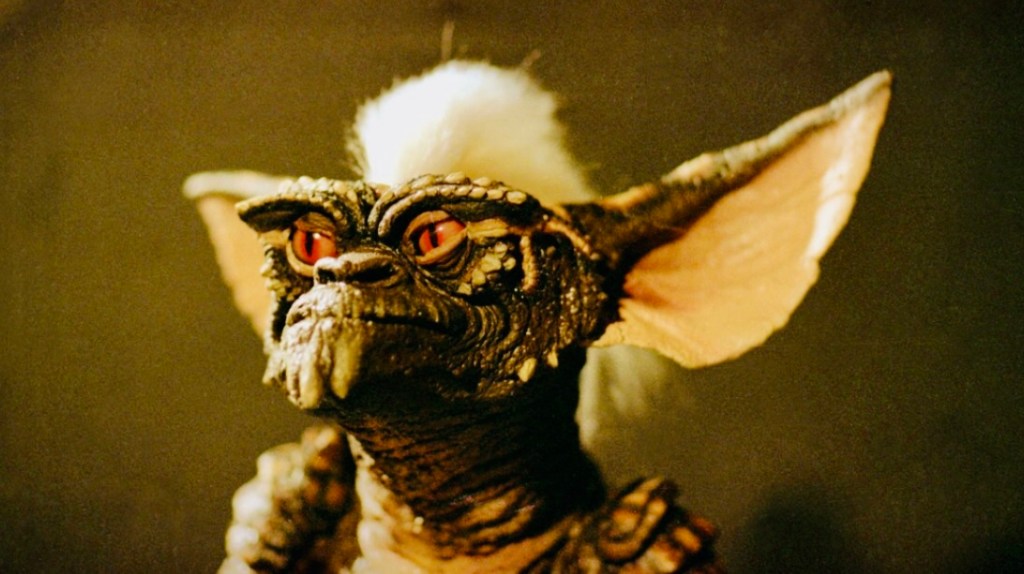
Steven Spielberg acted as an executive producer on Gremlins, and to be fair it has his finger prints all over it – and this is pure vintage era Spielberg. Joe Dante (Innerspace) directs a great ensemble cast in the Chris Columbus (Home Alone) written fantasy – including Zach Galligan (Waxwork) as Gizmo’s new owner Billy, and Phoebe Cates (Drop Dead Fred), Corey Feldman (The Goonies) and Judge Reinhold (Beverly Hills Cop) all supporting. But the stars of the show are of course the various Mogwai and Gremlins themselves, designed by Chris Walas (The Fly). A classic alternative Christmas movie … if ever there was one. KZ
6. // Beverly Hills Cop
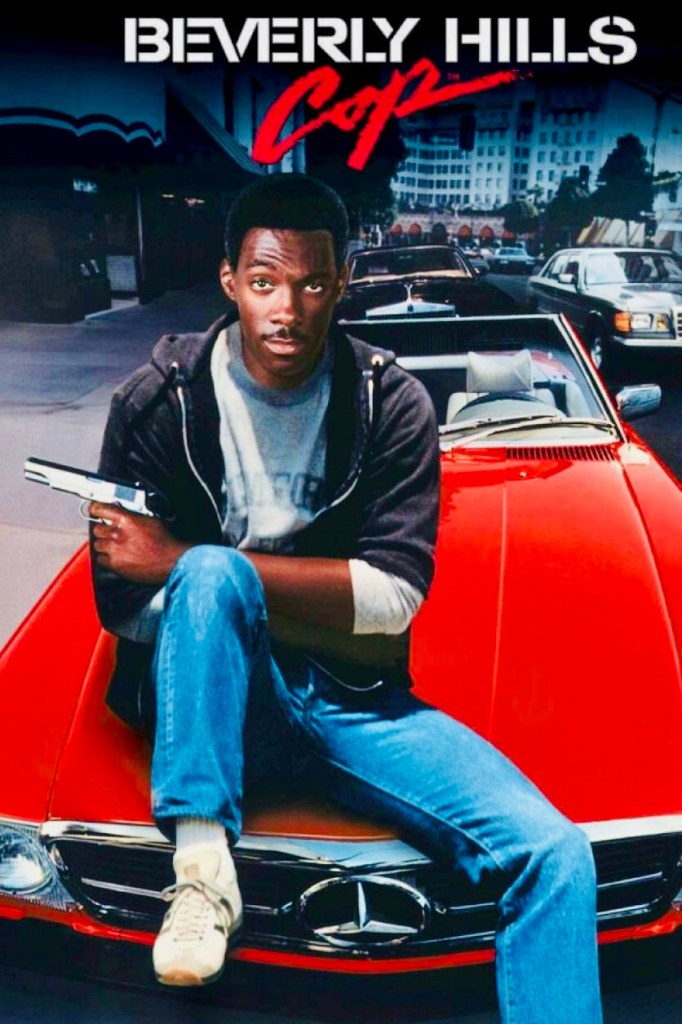
Controversial stand-up comedian Eddie Murphy had already announced himself as a force in the movie world with roles in 48 Hrs. (1982) and Trading Places (1983) – and he would solidify his movie stardom as the wise-cracking, street-wise Detroit cop Axel Foley in Beverly Hills Cop. Directed by Martin Brest (Scent Of A Woman), the film is one of the all time great Action-Comedy flicks from the era. The movie opens with a highly memorable chase sequence as a lorry stocked full of contraband cigarettes is pursued by a number of Police cars, and we meet Axel for the first time working an under cover sting.
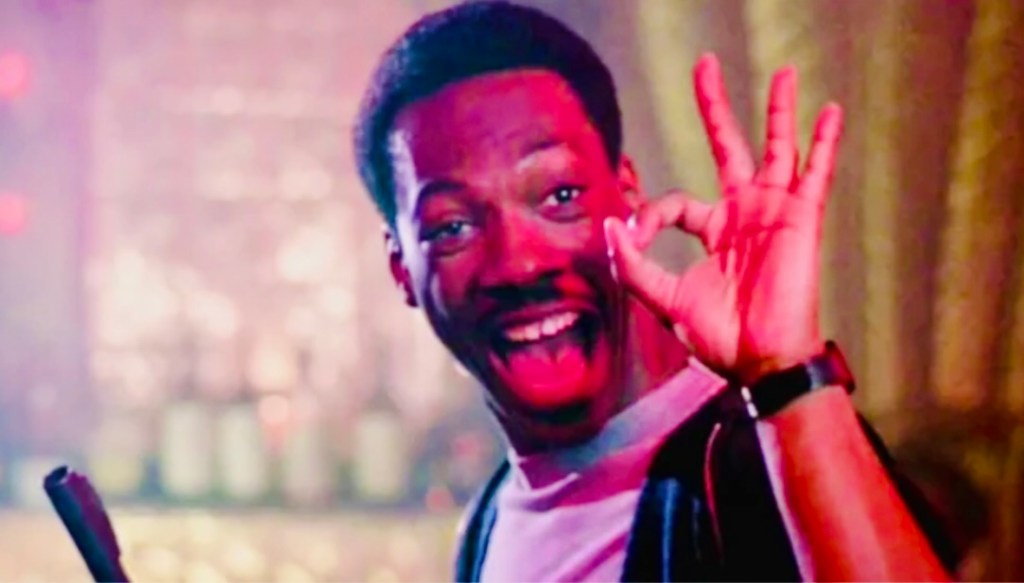
His character is perfectly written, straight away it is established that he is a cop who works by his own rules, undertaking assignments without his superiors authorisation – and that he is more than happy to bend the rules to try and reach his goals. When Axel is visited by a troubled old friend who is murdered in a professional hit outside of his apartment, he finds himself (against orders) taking a vacation and heading to Beverly Hills to investigate the killing. There is a charming and amusing fish out of water element to the narrative, as Axel’s Detroit cop ways, clash with those of the detectives attached to tail him in LA.
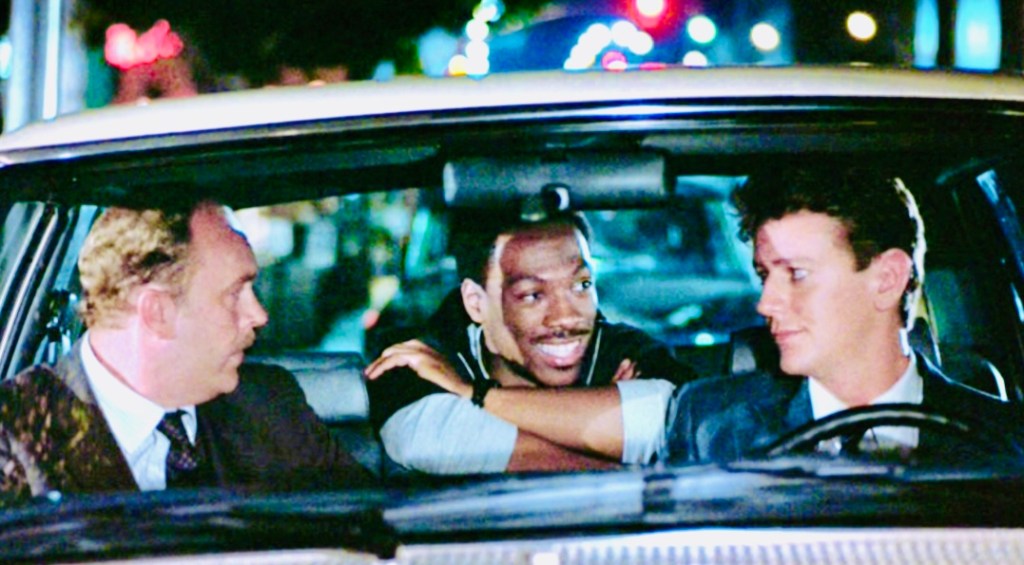
An excellent supporting cast including Judge Reinhold (Vice Versa), John Ashton (Midnight Run), Lisa Eilbacher (10 to Midnight), Ronnie Cox (Robocop) and Steven Berkoff (Octopussy) perfectly compliment Eddie Murphy, as he follows the one lead his friend left him with and works the case – unravelling the business of a major drug lord of the city in the process. The movie is jam packed with iconic imagery, including the sound design. ‘The Heat Is On’ is the instantly recognisable theme tune from the opening credits, while the classic ‘Axel F’ score that is peppered throughout, became one of the quintessential movie synth tunes of the decade. KZ
7. // Starman

After creating a string of movies including Halloween (1978), The Fog (1980) and The Thing (1982) – director John Carpenter had quite rightly gained himself a reputation as a Master of Horror. But he could also turn his hand to other genres, as shown with the dystopian Sci-Fi / Action flick Escape From New York in 1982. But it would be with Starman, that Carpenter would direct his most mainstream movie at the time with by far his biggest budget, blending a Sci-Fi concept with that of a Romantic-Drama Road movie. The concept of the story is based around an Alien-being that comes to Earth in response to the Voyager 2 space probe launched in 1977, featuring a tape recording inviting visitors to journey to our friendly planet.
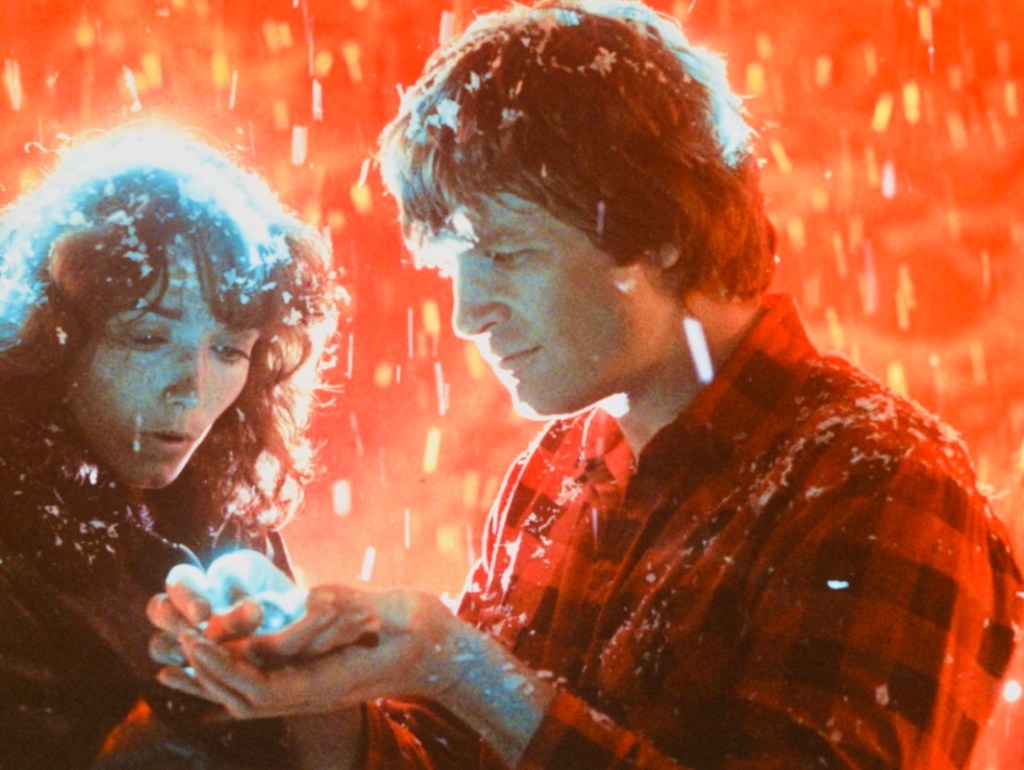
But as the Alien’s spacecraft enters Earth’s atmosphere, it is shot down by the US airforce. It’s natural appearance is that of a glowing orb, and the Alien finds solace in the home of the recently widowed Jenny (Karen Allen – Raiders Of The Lost Ark). After studying a photo album and using a lock of hair in order to clone his body, the Alien takes the form of Jenny’s recently deceased husband Scott (Jeff Bridges – The Big Lebowski) – and the distraught wife watches in horror as it does so. Carpenter does show flashes of Body-Horror during this transformation sequence, which can be compared to moments in The Thing – as well as the classic man-to-beast transformation scene by practical FX wizard Rick Baker, in An American Werewolf In London.
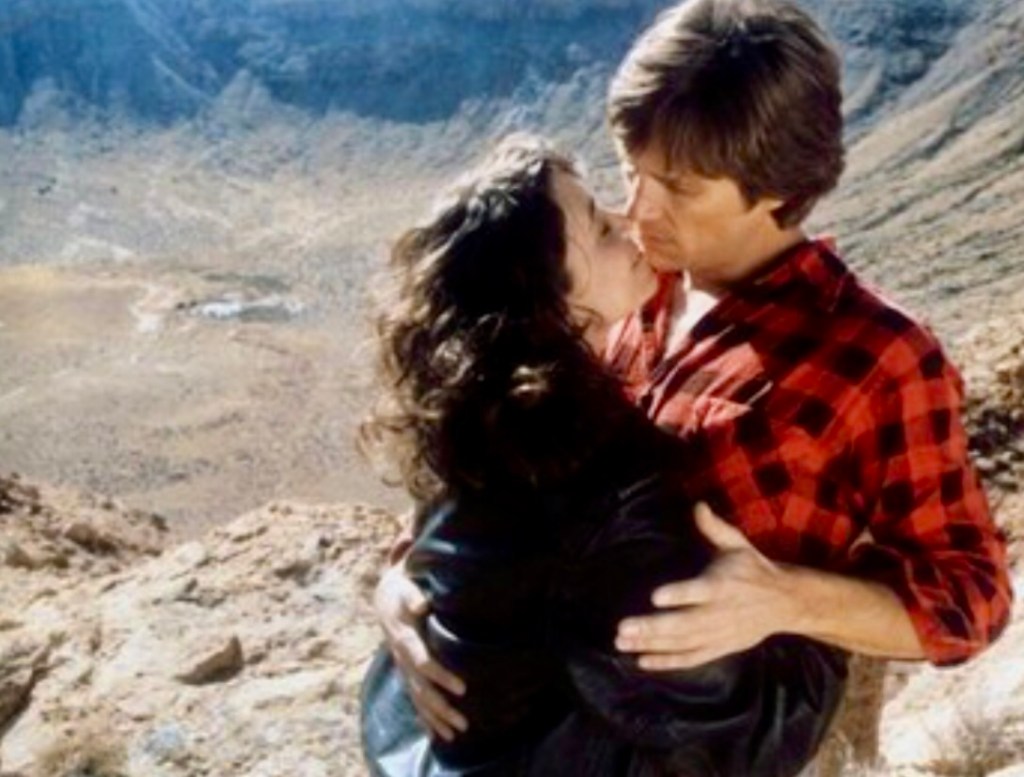
The Starman sends a message back to his home planet to warn that Earth is a hostile environment, and arranges a rendezvous in the Arizona desert so that he may return home. He essentially kidnaps Jenny and her vehicle in order to use her to trasport him to the meeting place, and as they travel across country her initial terror and confusion at the Alien resembling her late husband, turns into a warmth and compassion for the celestial being. Eventually giving in to the urge to be with her husband for one final journey, as they are pursued across country by government agents. There is a whole lot of heart and soul to Starman, and two fine performances from the leads, with Bridges’ portrayal of the Alien particularly unique and memorable. KZ
8. // Once Upon a Time in America

Once Upon a Time in America is the sprawling epic Gangster Crime-Drama, co-written and directed by the legendary Italian film-maker Sergio Leone (The Good, The Bad, And The Ugly). A master of the Western genre who’s adaptation of Harry Grey’s novel The Hoods (1953), very much has the feel of a 20th Century Western – complimented by the score of longtime collaborator Ennio Morricone. It would be Leone’s final film, and can perhaps be considered his masterpiece. A labour of love for the Director which began when he read The Hoods, and subsequently met with the gangster turned author of the novel in 1968.

The film was not released without controversy, uncompromising in its depiction of graphic gang violence, as well as featuring a number of sexually violent scenes against women. Once Upon a Time in America would notoriously face trouble with its release as Leone’s initial plans to create two three hour movies to rival Francis Ford Coppola’s The Godfather (1972) and The Godfather Part II (1974) in scope and size, met with studio resistance. Eventually Leone would deliver one film at around four and half hours, before being encouraged to cut down to a run-time of just under the four hour mark. The US theatrical edit was then taken out of Leone’s hands altogether, cut down to less than two and a half hours – while deeply compromising the auteur vision.

The film charts the rise of prohibition era Gangsters – Noodles (Robert De Niro – Taxi Driver) and Max (James Woods – Videodrome) – from teenage street hoodlums in the early 1920s, through to the 1960s. Telling an epic saga which looks at themes of friendship, love, betrayal and the coming of age. A fine supporting cast includes Joe Pesci (Goodfellas), Elizabeth McGovern (Ordinary People) and a young Jennifer Connelly (A Beautiful Mind). An intriguing opium-den setting in the opening sequences set in 1933, provides moments of surrealism and an ambiguity to the narrative – as we are left wondering what is real and what may have been dreamed by Noodles, in his intoxicated slumber. This is an ambiguity that Leone himself had often encouraged when discussing his film. KZ
9. // Dune
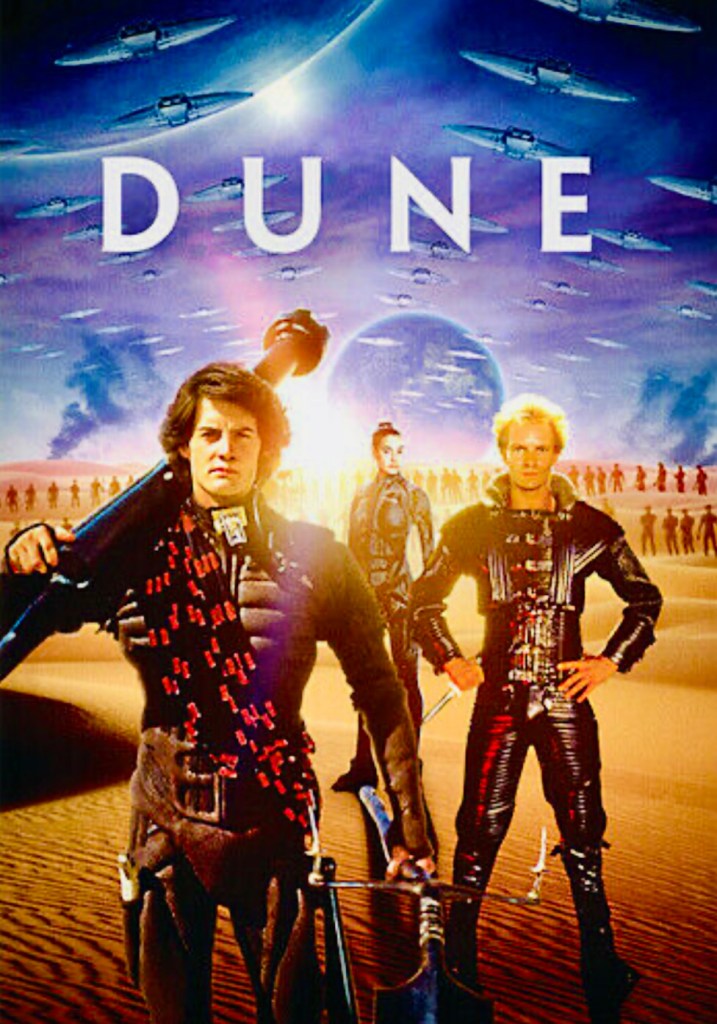
Perhaps one of the strangest movies to come out of 1984, was director David Lynch’s attempt to bring Frank Herbert’s epic Sci-Fi novel Dune (1965) to the screen for the first time. In essence, the film is a wonderful mess – especially when compared with the recent 2021 Denis Villeneuve (Bladerunner 2049) interpretation. Full of bizarre tonal choices and an incredibly distinctive visual style that is quite unlike anything else. Lynch (Blue Velvet) was hot property following the critical and financial success of The Elephant Man (1980), and after turning down an offer from George Lucas to direct The Return Of The Jedi – decided to take on this epic Space set adventure story instead.

However he gave up much of the creative control for the picture, including the final editing cut of the movie – and has since famously all but disowned his involvement in the film, while going on record as referring to the creative process as a “Nightmare!” Dune was a huge studio production and investment from Dino De Laurentiis, and with an estimated budget of around $40 million it was an expensive movie for the era, as they looked to capitalise on the success of Star Wars. However the creative differences between the visions of Laurentiis and Lynch made for a troubled production, and the final cut with a theatrical run-time of just 2 hours and 17 mins, did not allow enough time for Herbert’s sprawling story – or Lynch’s desired world building to really flourish.

However, Lynch’s Dune is not without its charm. And the film despite bombing at the box office generated a cult Sci-Fi fanbase, and can be looked back on as a very messy but unique take on the fantasy tale. It is full to the brim with a quirkiness that Lynch no doubt found some enjoyment in putting together, despite the process taking him over two years to complete, from when he first accepted the job and started working on his own screenplay of the novel. Then unknown actor Kyle MacLachlan who would go on to work with Lynch again in Blue Velvet (1986) and Twin Peaks (1989), does a fine job as the story’s hero Paul Atreides. Musician Sting also shines as Feyd Rautha, and Kenneth McMillan (Cat’s Eye) steals the show as the despicably vile and repulsive – Baron Vladimir Harkonnen. KZ
10. // Friday the 13th: The Final Chapter

Alongside Halloween, the Friday The 13th series can be considered one of the key Slasher franchises in Horror movie history. The first Friday The 13th film (1980) was created by Sean S. Cunningham (writer / director) – who has unashamedly admitted it was directly inspired by Halloween (1978), and green lit in order to essentially copy and try to recreate the financial success of John Carpenter’s legendary flick. The iconic killer that we know today from the series – Jason Vorhees – didn’t start slashing until Part 2 (1981). In Part III (1982) the series went 3D and Jason would acquire his now infamous hockey mask, and then came The Final Chapter. Considered by many to be the best in the series, and the quintessential 80s Slasher-movie.

The film opens with a recap of the lore, told around the camp fire as the story of Jason is recounted with a greatest hits montage of some of the key sequences and kill scenes from the first three movies. Of course, this fourth instalment was touted as being ‘The Final Chapter,’ and would see practical F/X and makeup wizard Tom Savini (Dawn Of The Dead) return for the first time since the opening film. The narrative opens as a direct continuation from the end of Part III, as Police and ambulance crews swarm the crime scene of the previous movies bloodbath – where Jason is seemingly found dead having taken an axe through his hockey mask.

Jason is transported to the local hospital mortuary, but we soon see his body start to wriggle under the sheet. And the film provides a little classic Slasher tension as we wait for him to come back from the dead to start a fresh rampage – with this early hospital setting very reminiscent of Halloween II (1981). The film directed by Joseph Zito (The Prowler) then introduces us to one of the franchises key returning characters, the young Tommy Jarvis (Corey Feldman – Stand By Me) – as well as a new cast of fresh teenage meat for Jason to pick off, as they holiday at Camp Crystal Lake. Including an early memorable performance from Crispin Glover (Back To The Future). KZ
Words by Mark Bates
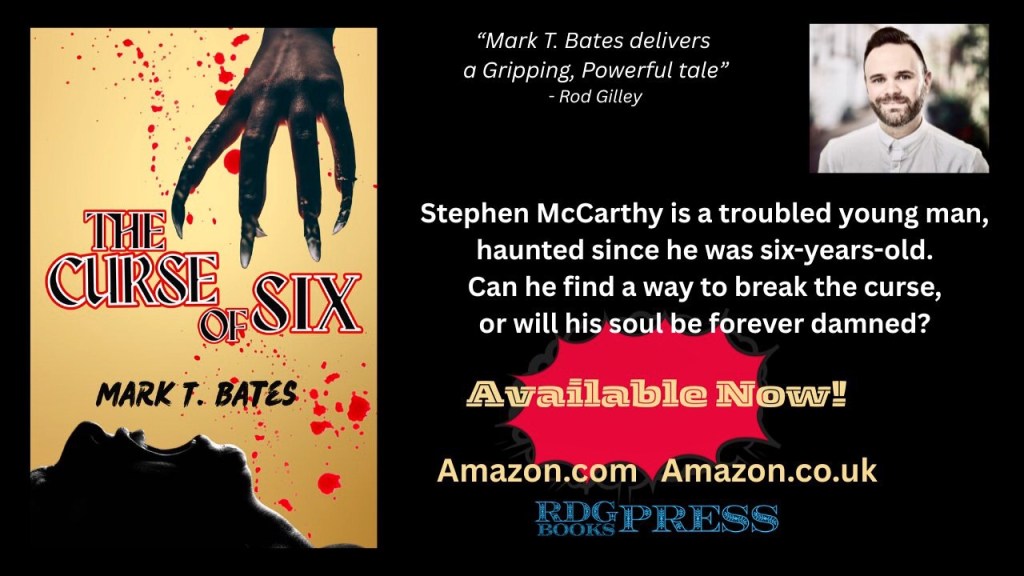
https://amzn.eu/d/b5TAnqi
 kult-zilla.com
Leave a comment