

1. // Pantera – Far Beyond Driven (Elektra Records)
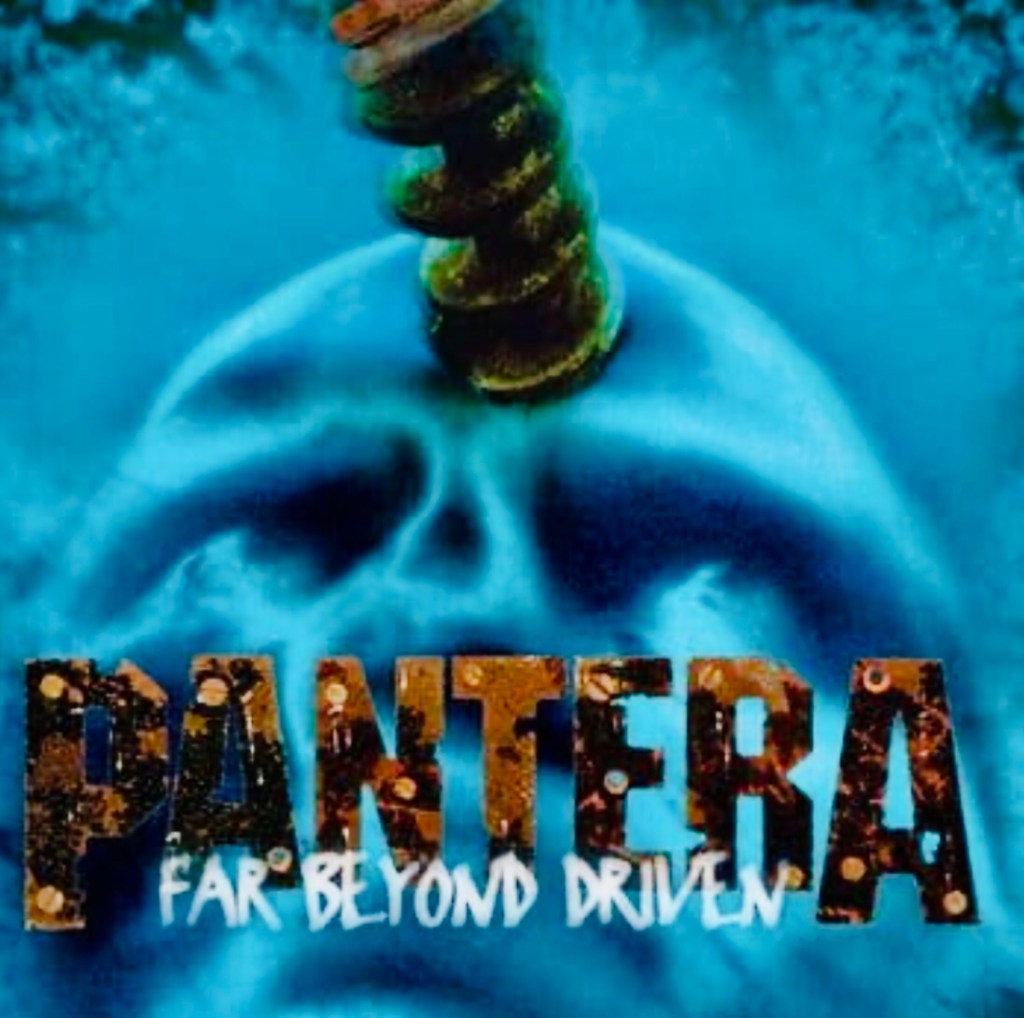
By 1994, Texan heavyweights Pantera had firmly established themselves as the world’s premier Heavy Metal band. With their album Cowboys From Hell (1990). Pantera would implement a new style – transcending from their Hard Rock roots, a change fuelled by listening to the likes of Metallica and Slayer. But rather than mimicking a generic Thrash formula, they created and pioneered a Heavy Metal sound with far more of a groove. They developed their sound further on its follow up A Vulgar Display Of Power (1992), which was altogether heavier and more aggressive. And with the change, their popularity and demand as a worldwide live force grew exponentially.
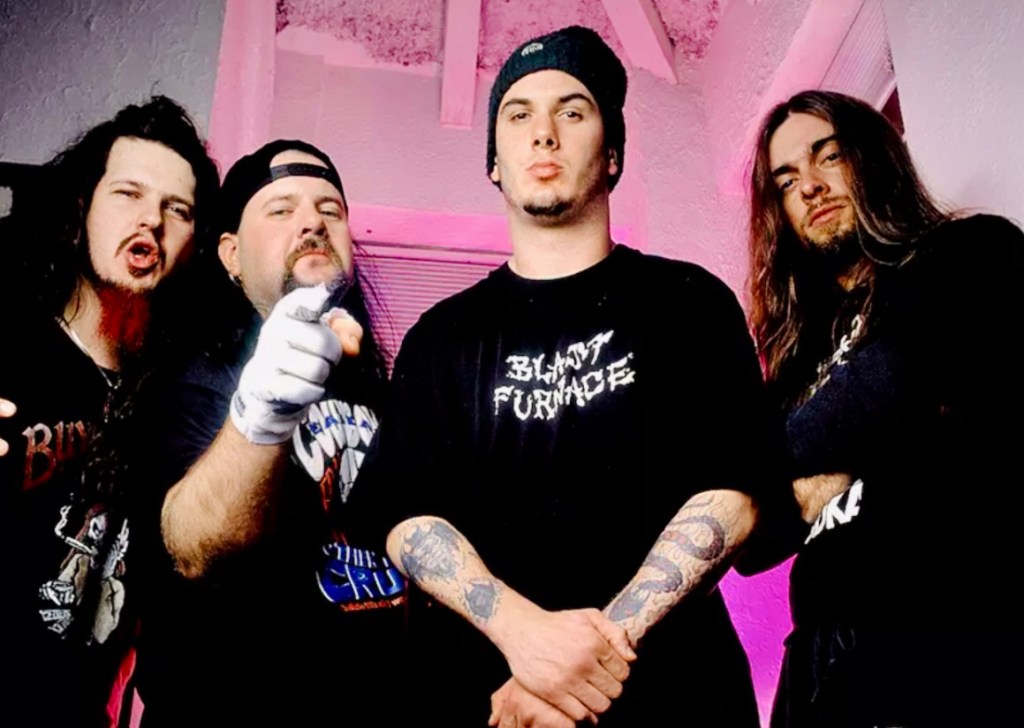
Many wondered where Pantera might turn next? Bands like Metallica and Megadeth were finding new levels of commercial success by veering away from their traditional Thrash sound, and the Seattle Grunge / Alternative Rock style was very much at the peak of its rise in 1994. And well … Pantera just went harder! Flying the flag for Metal, but with a commercial edge that would see Far Beyond Driven fly in at number one on the US Billboard charts. The brutal record opens with ferocious aggression on ‘Strength Beyond Strength,’ where the venom of Phil Anselmo’s vocals is equally matched by the razor sharp playing of legendary guitarist Dimebag Darryl.
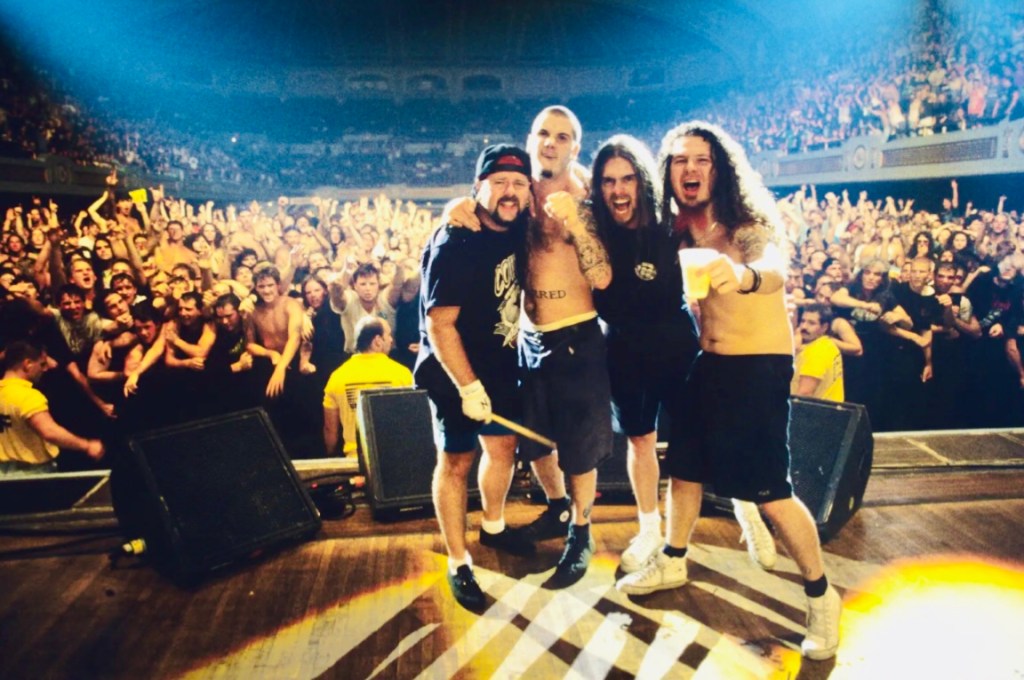
The album then features a plethora of further vintage Pantera songs. ‘Becoming,’ ‘5 Minutes Alone’ and ‘I’m Broken’ all contain huge choruses with instantly recognisable vocal hooks and sumptuous hard riffs. The rhythm section of drummer Vinnie Paul and bassist Rex Brown has never sounded better, with crystal clear production throughout the down-tuned instrumentals – and Dimebag shreds his guitar throughout to remind us why he is can be considered the Metal heir to the playing style of Eddie Van Halen. Mixing the sound up to keep the record fresh, Pantera serve up a slice of pure Sleaze-Metal on ‘Good Friends And A Bottle Of Pills,’ and close Far Beyond Driven out with the thoroughly laid back smokers delight, of their Black Sabbath cover – ‘Planet Caravan.’ KZ
2. // Korn (Epic Records)
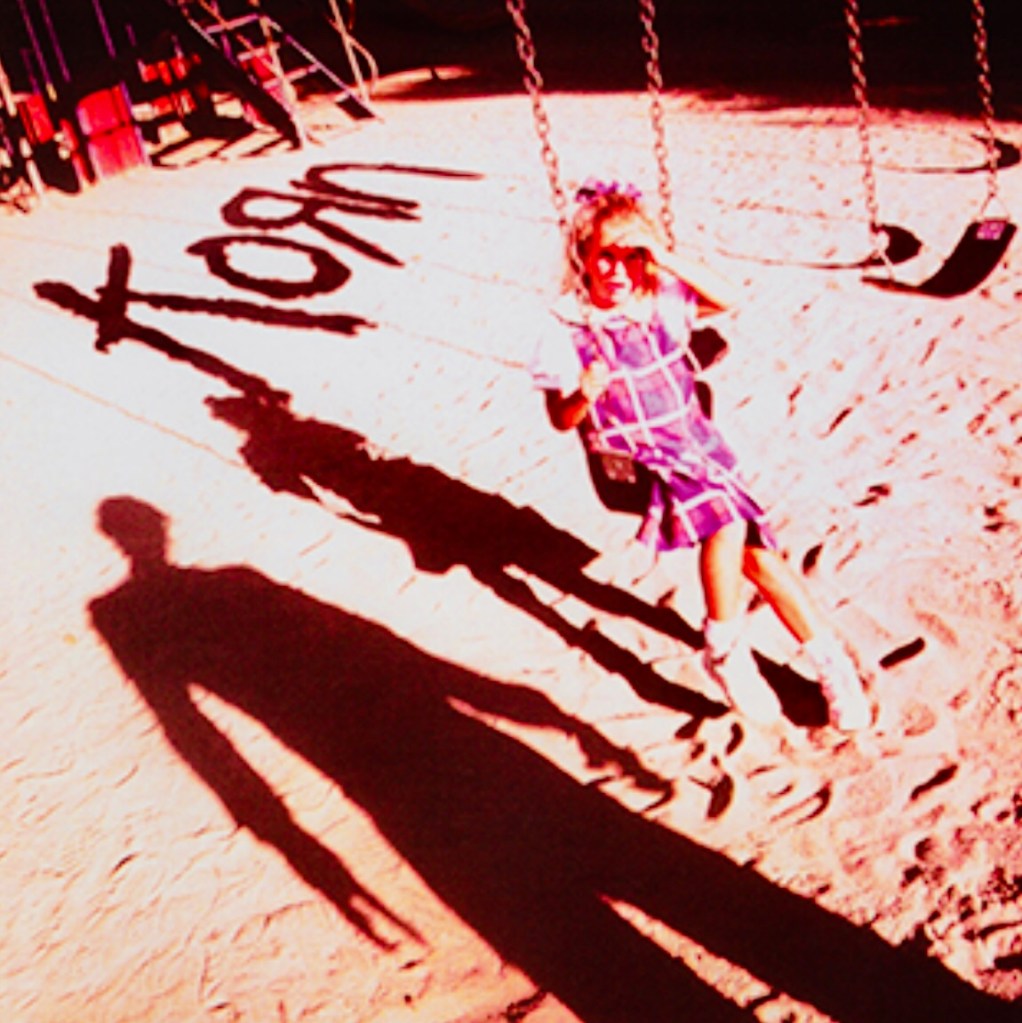
“Are You Ready?” asks vocalist Jonathan Davis, as Korn open their seminal debut album with the menacingly heavy ‘Blind’ – while shepherding in a new era and style for Heavy music in 1994. Make no mistake, this record sounded like nothing else that had come before it. An amalgamation of a heavily down-tuned production sound, created in-part by studio wizard Ross Robinson. Mixed with an eclectic influence of vocal styles from Jonathan Davis, who could scream with the best of them while also providing a soulful croon inspired by his love of 80s New-Wave. Jacking Hip-Hop inspired rhythms met twin 7-string guitars rolling in sludge – providing subterranean riffs with contrasting harmonic highs.
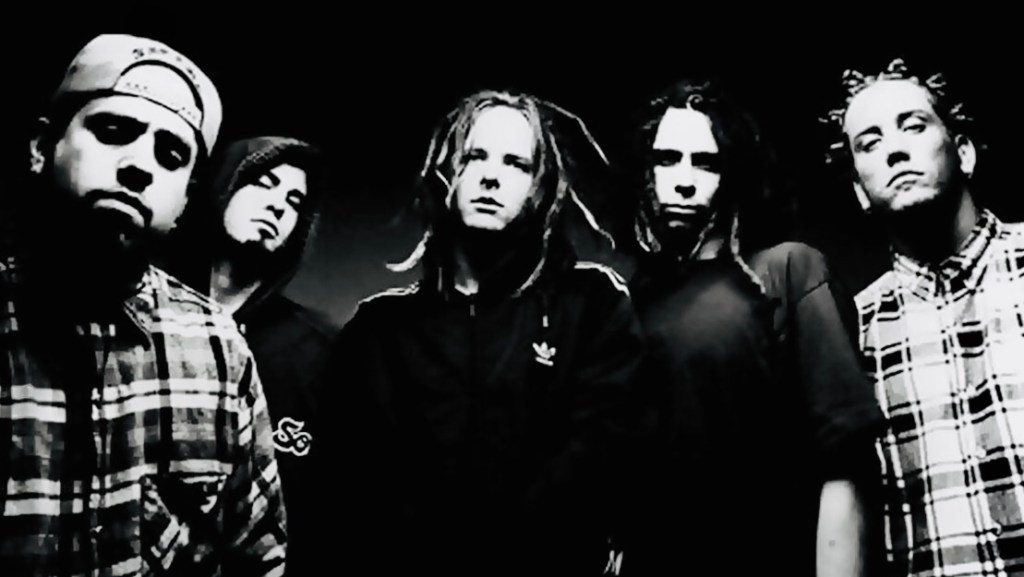
Often labelled as the album that started Nu-Metal, while it certainly laid the groundwork for the style, Korn in essence is about as far from the later radio friendly Nu-Metal sounds of Limp Bizkit, Linkin Park and indeed much of Korn’s later work as you can get. This is a dark and sinister collection of music. Where teenage bullying, substance misuse and child abuse – are all themes strongly prevalent within the lyrical content. With the release also providing distinctive cover artwork to match the eerie undertone of the music.
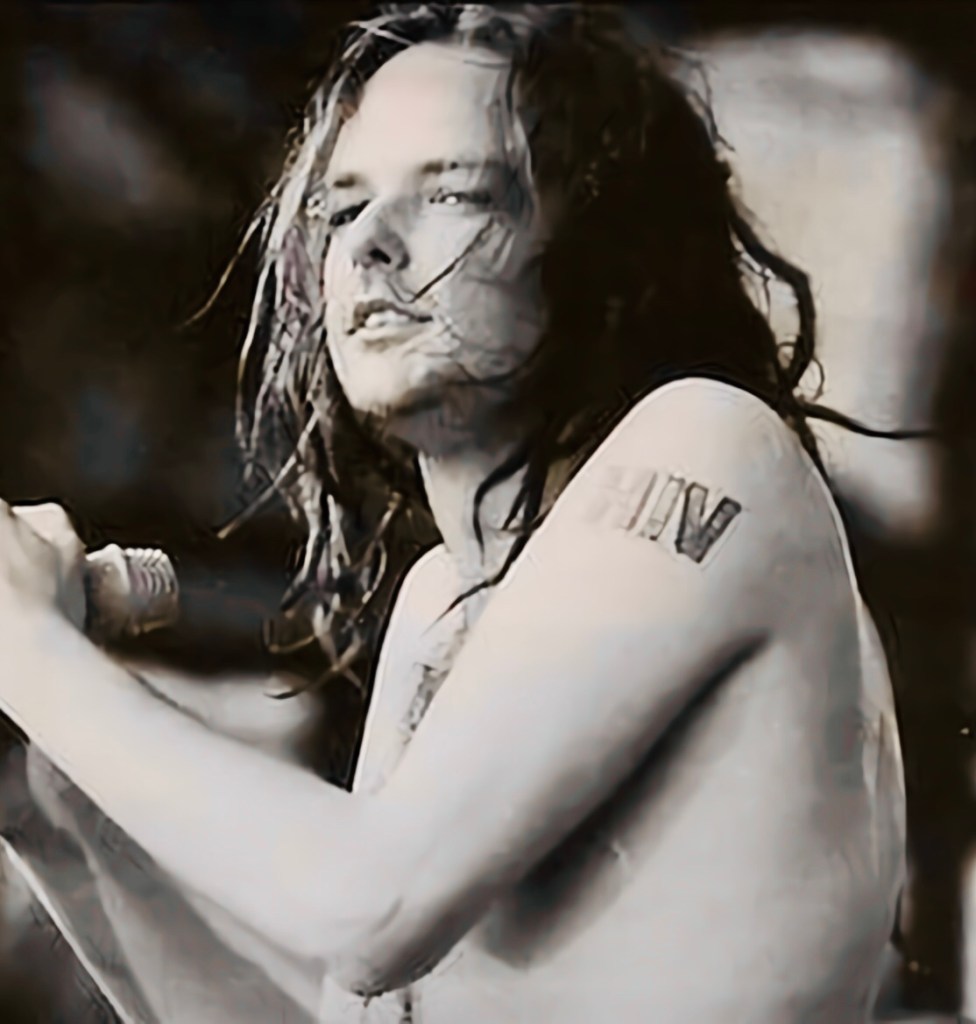
Musically, the Hip-Hop influence and Davis’s unique scatty vocal style is prominent on ‘Ball Tongue,’ while his tortured straining singing on ‘Need You’ provides a catalyst for much of what is to come. He dives deep into the lyrical melancholy, exploring those themes of bullying on ‘Clown’ and ‘Faget.’ And then child abuse on the mesmerisingly dark ‘Daddy.’ Korn’s songs are adventurously structured throughout this debut, often providing drops which they build up with a crescendo of Davis’s vocals, into a beautiful cacophony of noise once again. A technique in which they could perfectly orchestrate whipping their crowds into a frenzy, during their live shows. KZ
3. // Machine Head – Burn My Eyes (Roadrunner Records)
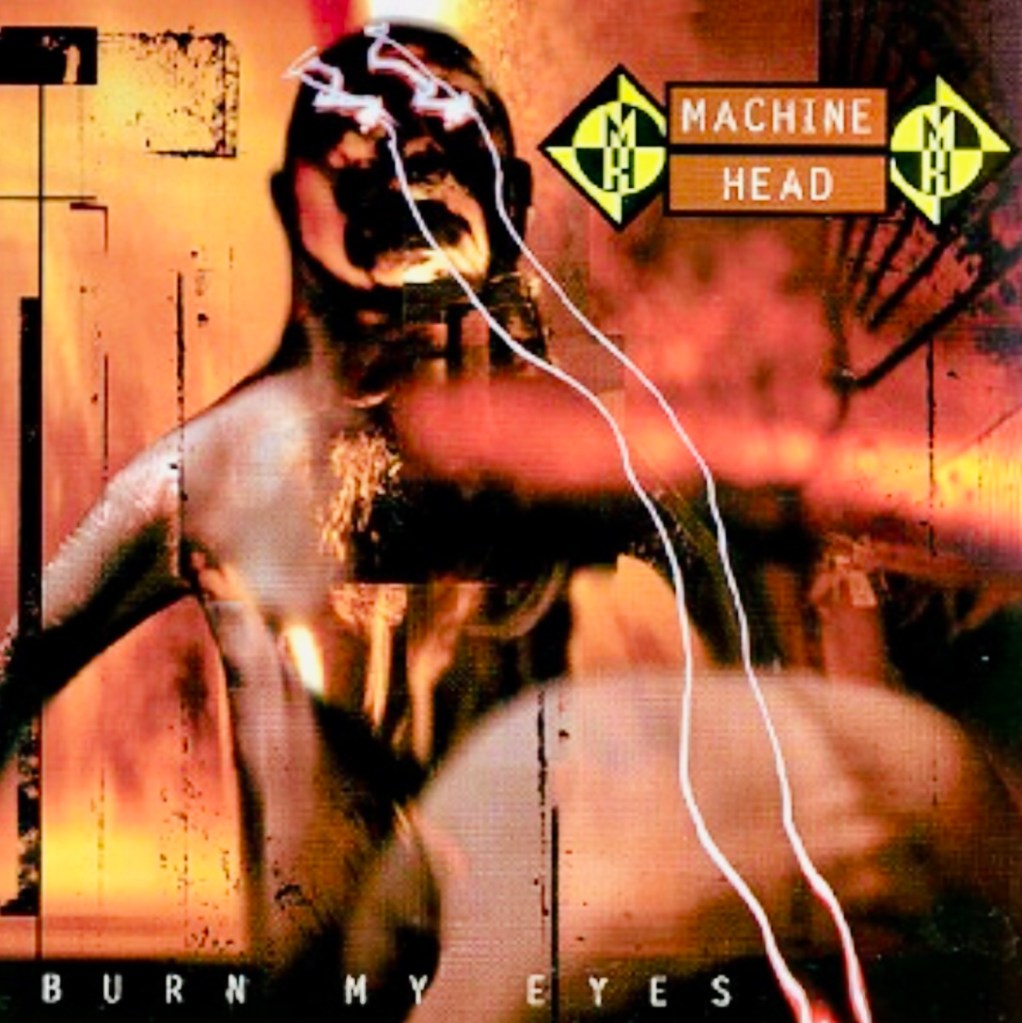
Machine Head released one of the strongest debuts in Metal when they dropped Burn My Eyes in 1994, achieving instant success and propelling them into the big time by becoming Roadrunner Records best selling album for many years. Their roots were stuck firmly in the San Francisco Bay Area Thrash scene that produced not only Metallica, but the likes of Exodus and Death Angel. Singer / guitarist and principle songwriter Rob Flynn had cut his teeth playing guitar in local Thrashers Violence, but had also been writing his own material that was heavily influenced by the sounds of Pantera and Sepultura.
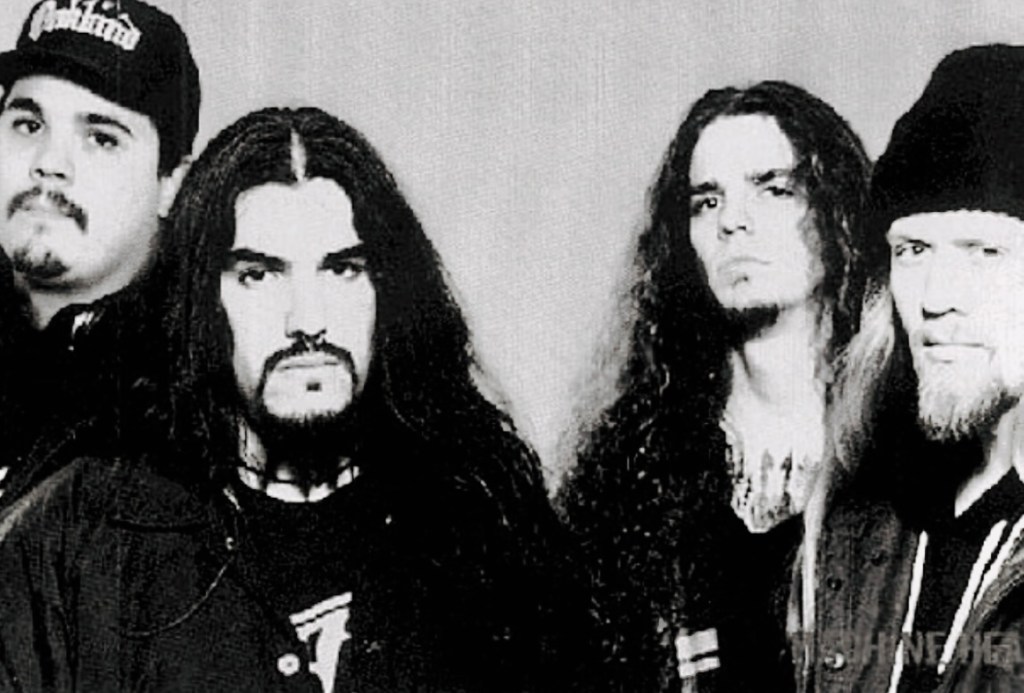
Lyrically the album would deal with events such as the Waco Siege of 1993 on ‘Davidian,’ and the LA riots of 1992 on’ Real Eyes, Realise, Real Lies’ – with the album heavily featuring the use of samples and a trademark sound to the riffing, created by prominent guitar harmonics. Machine Head introduced themselves to the world with the absolutely crunching riff of album opener ‘Davidian,’ and Flynn’s iconic lyric in the chorus of; “Let freedom ring with the shotgun blast!” A sumptuous bass line opens ‘Old,’ before groove heavy riffing enters with another strong distinctive vocal performance from Flynn – as he screams; “Jesus Wept!”
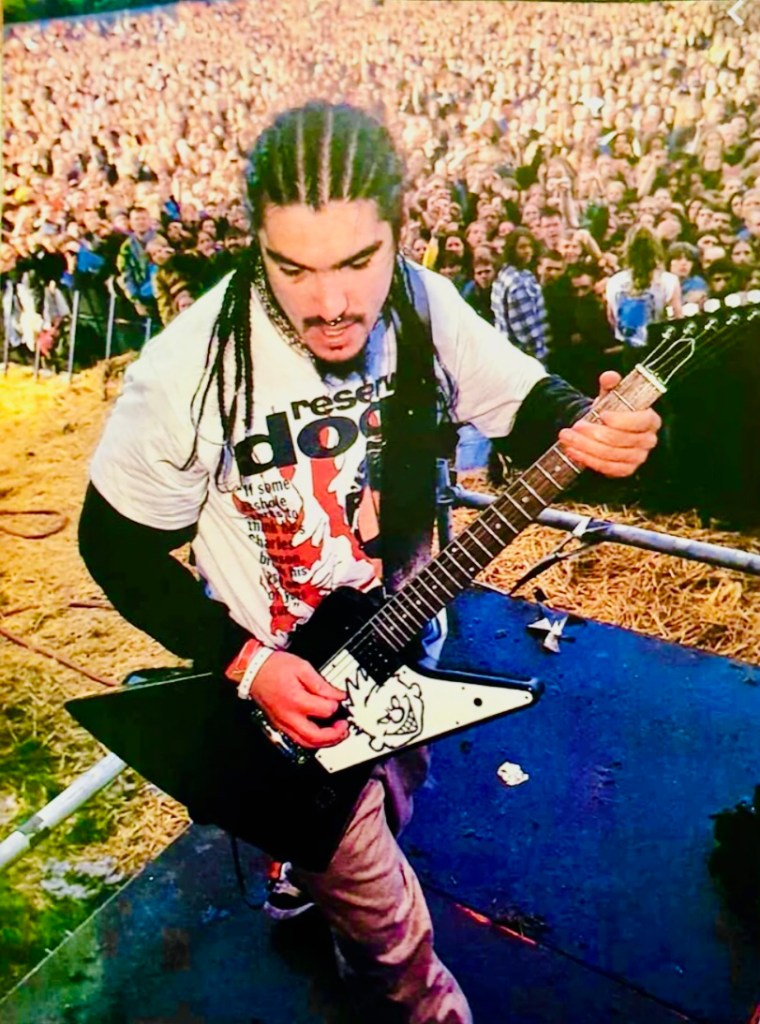
The extraordinary guitar effects created by Flynn and lead guitarist Logan Mader are really evident on ‘A Thousand Lies,’ which is another track that once again highlights the incredible songwriting throughout Burn My Eyes – with an incredibly infectious vocal hook on the chorus. The intoxicating guitar riffs continue throughout, and Machine Head mix the album up with eerie melodic intros on ‘None But My Own’ and ‘A Nation On Fire,’ extraordinary guitar solos – and an intriguing mix of clean and heavier vocal styles. KZ
4. // Megadeth – Youthanasia
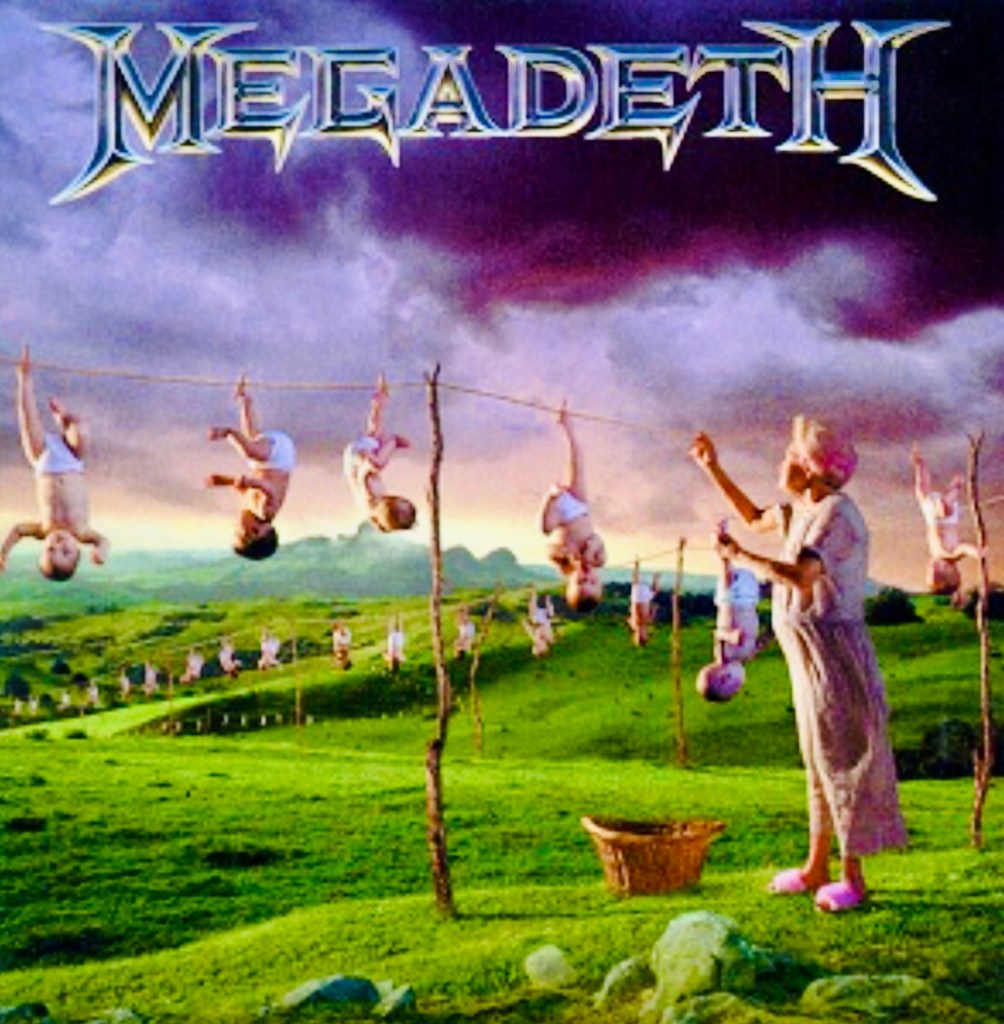
Thrash Metal icons Megadeth took a sharp swerve in sound with the release of Youthansia, their sixth album and the third of their classic line up in which lead guitar wizard Marty Friedman and drummer Nick Menza, joined founding bassist Dave Ellefson and of course singer / ex-Metallica guitarist Dave Mustaine. Their early albums can be considered among the finest in the history of Thrash, and 1990s Rust In Peace is perhaps one of the pinnacle releases of the genre. However the differing landscape in 1994 saw Megadeth take influence from what was going on around them in the Alternative / Heavy Rock scenes, slowing down their tempo and simplifying the arrangements of their songwriting – to produce another classic record.
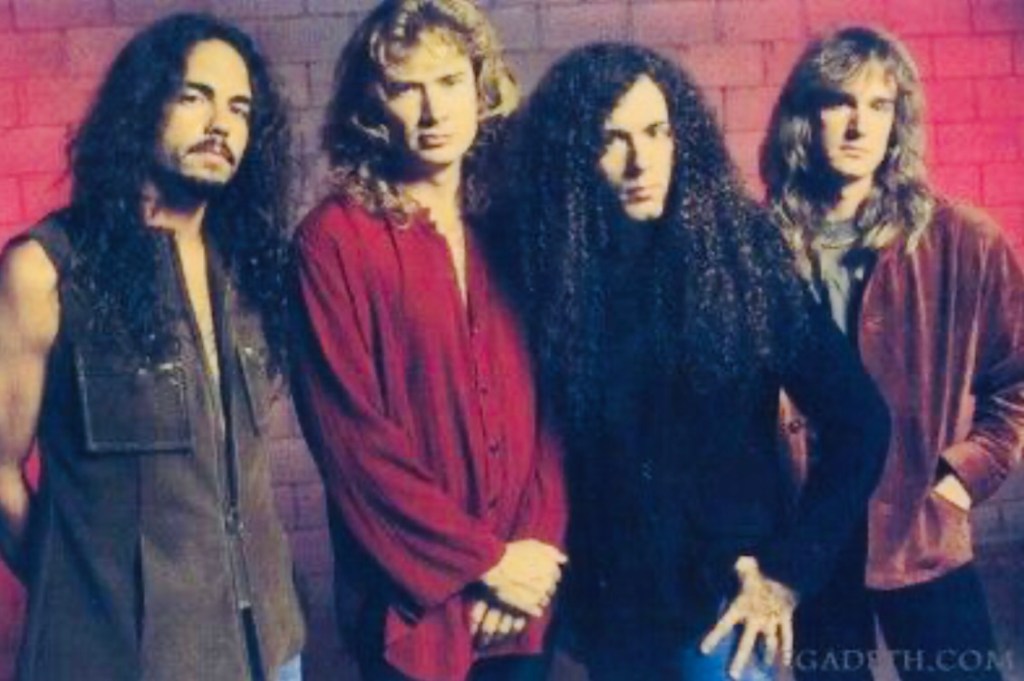
Along with a shift in musical style Megadeth would also ditch the classic leather jacket look of their image, instead taking inspiration from the style of bands like Alice In Chains and Soundgarden. With a view to maximising their crossover appeal and interest from MTV. While an appearance on the Late Show with David Letterman was also booked to help launch the record. Youthanasia would peak at No 4 on the US Billboard chart, and was certified platinum with 1 million copies sold by 1995. While the social commentary on the album title combining the words Youth with Euthanasia, is easy to read.
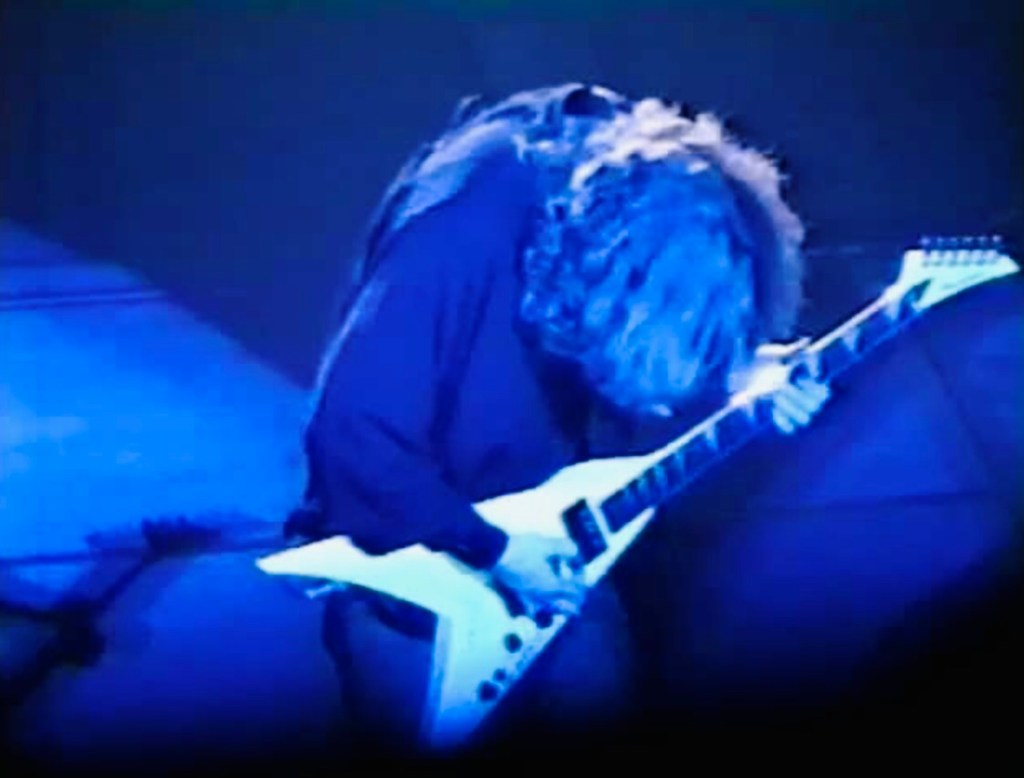
The record opens with ‘Reckoning Day’ and one hell of catchy vocal hook on the chorus, with Mustaine’s vocals never sounding better. And this is a consistent throughout the record – truly all killer and no filler in every sense of the cliché. From the single ‘Train of Consequences’ to ‘I Thought I Knew it All,’ Youthanasia is a collection of songs that easily stick in your mind after first hearing them, and have you then singing along to the choruses on repeat listens. Their thrash roots are still evident, especially with the virtuoso soloing of Friedman. And the record is full of sumptuous riffs, evident on the likes of ‘Addicted to Chaos’ ‘The Killing Road’ and ‘Blood of Heroes.’ The record is also perhaps best known for thier distinctive hit Rock song – ‘A Tout le Monde’ – with the highly memorable chorus sung in French by Mustaine. KZ
5. // Rollins Band – Weight (Imago)
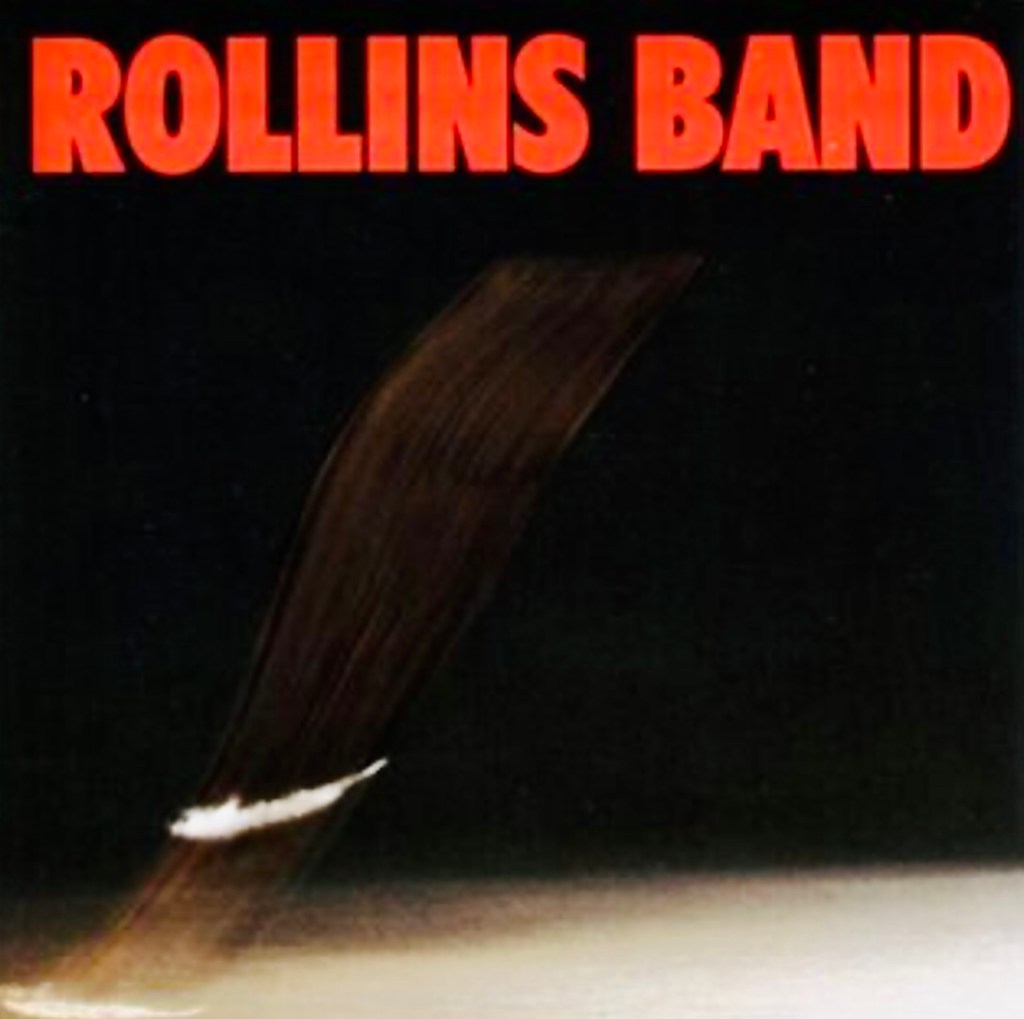
Henry Rollins rose to prominence as the vocalist for the iconic and influential Californian Hardcore Punk band Black Flag. Joining the outfit in 1981, and touring extensively while releasing an abundance of music until 1986. When his time with Black Flag ended – Rollins formed his solo band as well as the record label 2.13.61 to release his spoken word music. Something he had begun working on alongside his time in Black Flag. Teaming up with guitarist Chris Haskett, Rollins Band would release their first record ‘Life Time’ in 1987 – which was followed by ‘Hard Volume’ two years later, before their breakthrough record ‘The End of Silence’ (1991) started to gain them some serious recognition during the turning tide of the new musical decade.
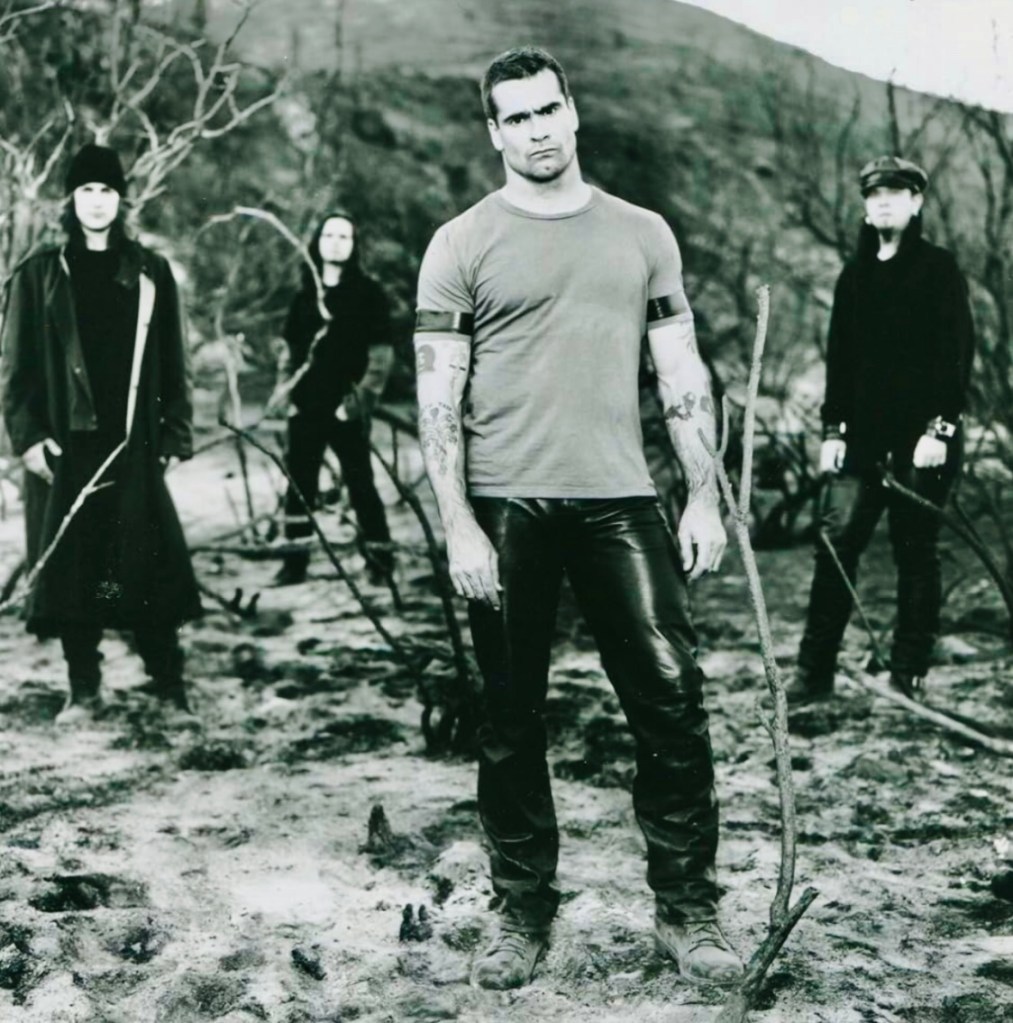
But it would be with the release of Weight, that Henry and his band would experience their greatest success – with MTV’s Headbangers Ball as well as their Beavis and Butt-Head show picking up on the video for the highly memorable single ‘Liar.’ And it is this song that Rollins Band are rightly best known for, as Henry tells a story in spoken word form over a Jazz-Funk bassline in a chilled and laidback verse. Before a blisteringly heavy chorus of distorted guitars and screamed lyrics drops over a pulsating bass.
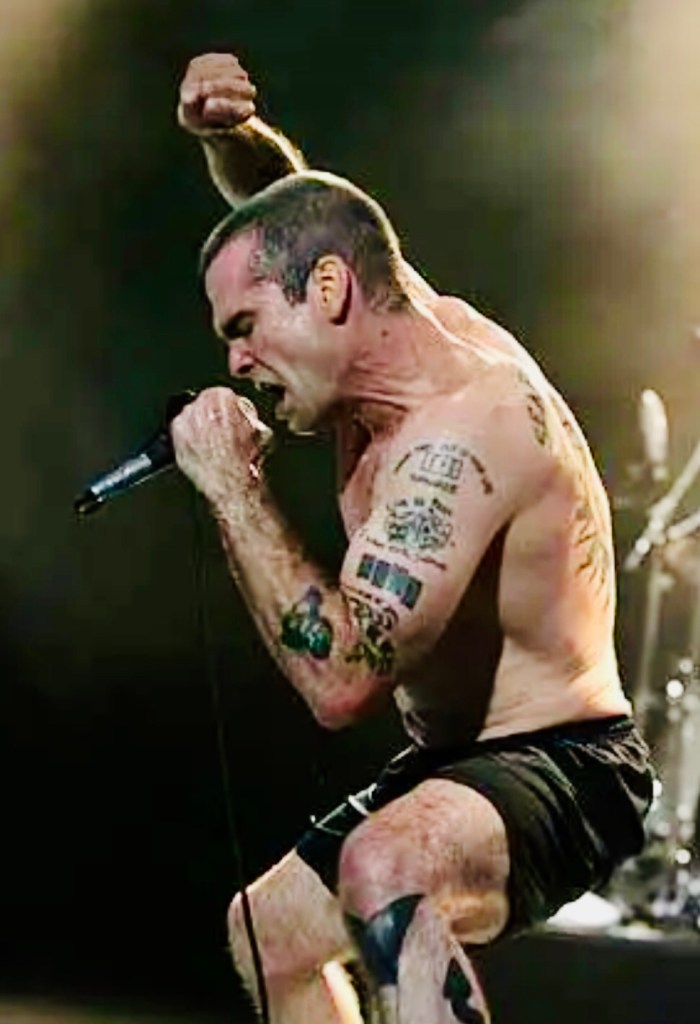
The record opens with a rolling bass-line and ominous single distorted guitar notes on ‘Disconnected’ underneath Henry’s unmistakeable vocal drawl. A fusion of Bodycount style Rap Metal with very much a Rage Against The Machine sound – thrown into a melting pot with Hardcore, Alternative Metal and a Jazz-Fusion vibe! Haskett injects a Blues-Metal influence to his riffs on ‘Fool,’ ‘Civilised’ and ‘Shine,’ each very much also invoking a Tom Morello feel in his playing, There are of course chugging moments of Steroid-Punk, inexplicably linked to Rollins past in Black Flag on songs including ‘Icon’ – but overall it is the sumptuous blend of styles that make Weight stand out. KZ
6. Cradle of Filth – The Principle Of Evil Made Flesh (Cacophony Records)
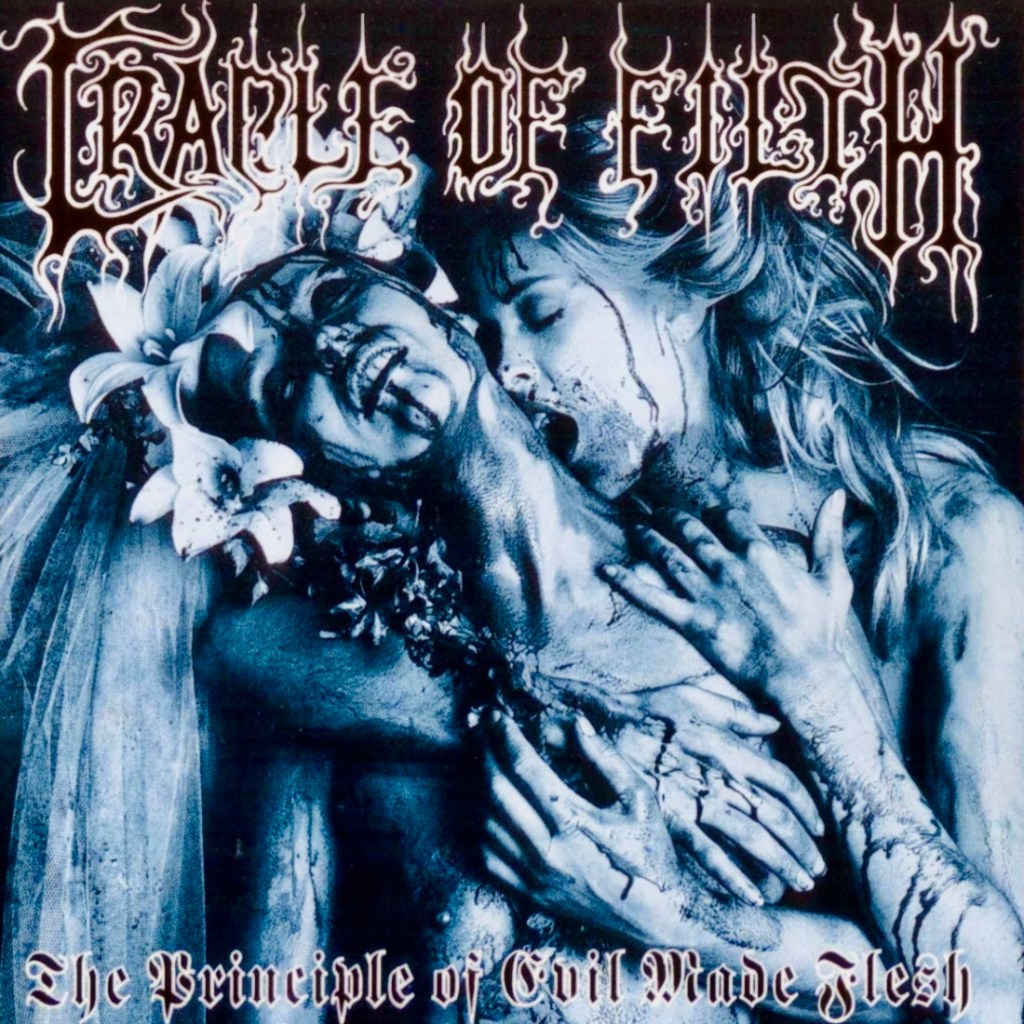
1994 was the year that a group of Suffolk teenagers announced themselves to the world, as an English response to the 2nd wave of a Black Metal scene that was flourishing over in Norway. Cradle Of Filth were no doubt taking a keen interest in the music that was coming out of the Scandinavian country, where albums such as Darkthrone’s A Blaze In The Northern Sky (1992), Burzum’s Det Som Engang Var (1993) and Immortal’s Pure Holocaust (1993) were laying the foundations for the development of the sound. While 1994 would prove a pivotal year for the genre, as full length debut albums would also arrive from the likes of Emperor, Mayhem and Enslaved.
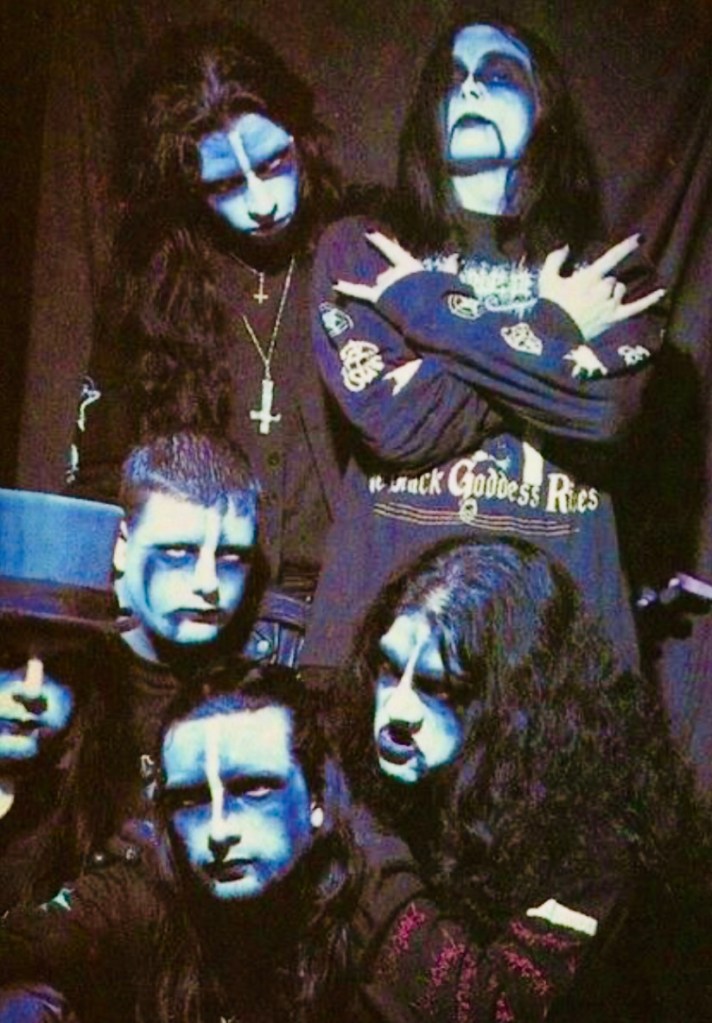
And while Cradle Of Filth did not have the Nordic background and influence of historical Scandinavia to fuel their music, they did have something different and unique for the scene to inspire their imagery – the rich gothic history of English literature. film and art. Drawing specifically on the work of Bram Stoker’s Dracula and the Hammer Horror films of the 1950s, 60s and 70s. Soaking in inspiration from a rich tapestry of vampire imagery and lore, while also sublimely blending the Black Metal style of Norway with the English Gothic and Doom Metal style of bands such as Paradise Lost, Anathema and My Dying Bride – who were all releasing music on Peaceville Records in the early 90s.

The Principle Of Evil Made Flesh is a raw and dark version of Cradle Of Filth, who would take on a bigger symphonic influence as their career progressed. And singer Dani Filth’s vocals are deeper with a consistent rasping quality that he would often forgo for his now trademark shrieking in subsequent releases. For many fans of the genre, this is Cradle Of Filth’s only true Black Metal release. And it unquestionably features some of their finest ever work. ‘The Forest Whispers My Name’ for example is a work of Black Metal art, with an intoxicating riff seeping in Gothic imagery with spoken word sections and organ synths. While ‘The Black Goddess Rises,’ ‘To Eve The Art Of Witchcraft’ and ‘A Dream Of Wolves In The Snow’ are also all Cradle Of Filth classics. KZ
7. // Corrosion of Conformity – Deliverance (Columbia Records)
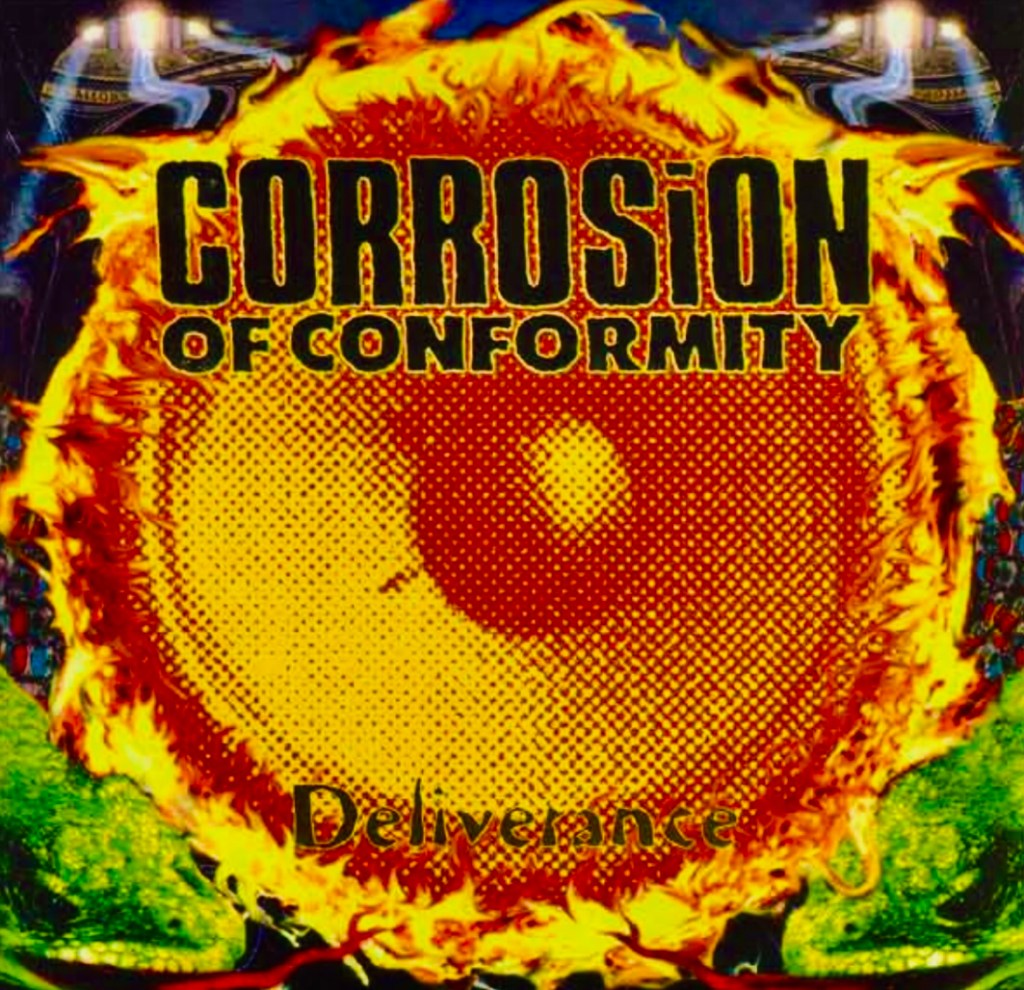
Corrosion Of Conformity were formed way back in 1982 by guitarist Woody Weatherman, and originally started out as more of a straightforward Hardcore-Punk band. In 1989 Pepper Keenen joined as a second guitarist, and in 1991 the band released their breakthrough album – Blind. And the record would highlight a change in the sound of Corrosion Of Conformity – as more of a Metal influence started to come out in their music, with their sound beginning to blend the inspiration of classic bands such as Black Sabbath and Iron Maiden alongside their Hardcore roots.
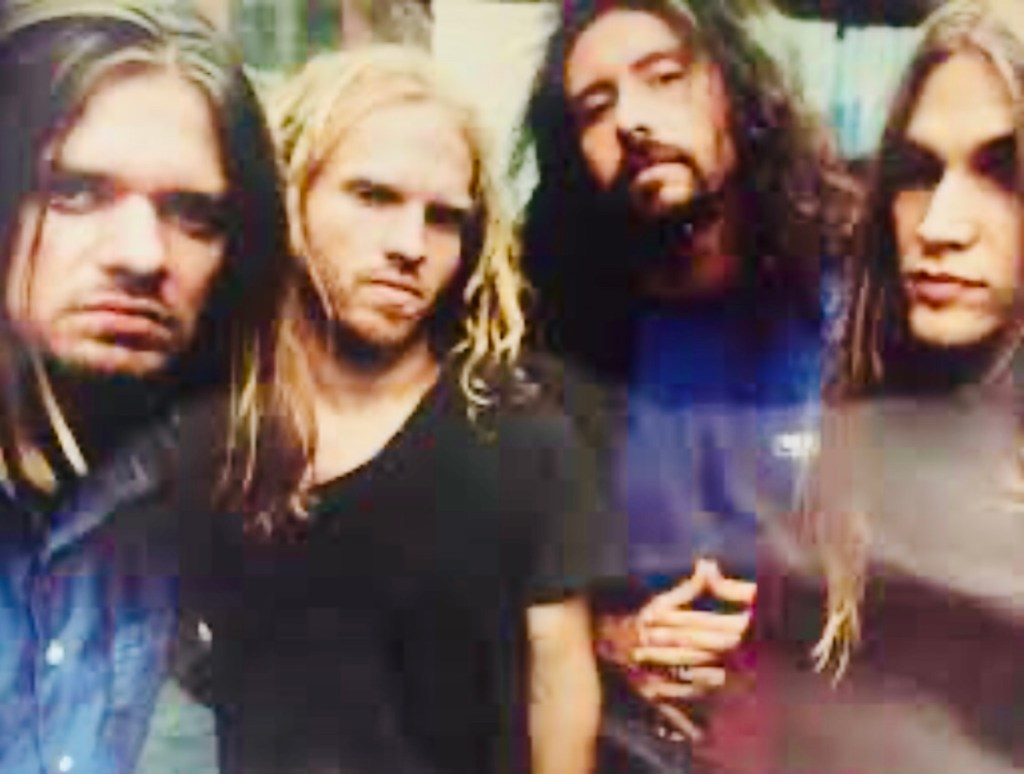
Blind was the first record to gain COC a degree of mainstream success, with Pepper Keenan stepping up to lead vocals on the song ‘Vote With A Bullet’ – which ended up being a hit on MTV. This was enough for the band to receive an offer to move to Columbia Records, a major label who at the time were releasing music by the likes of Alice In Chains, and had a keen interest in the Alternative Rock and Metal markets. Columbia (who were owned by Sony) ended up buying COC’s label Relatively Records in order to acquire their contract, and so came an even further shift in sound on Deliverance – a record that can quite rightly be considered their masterpiece.
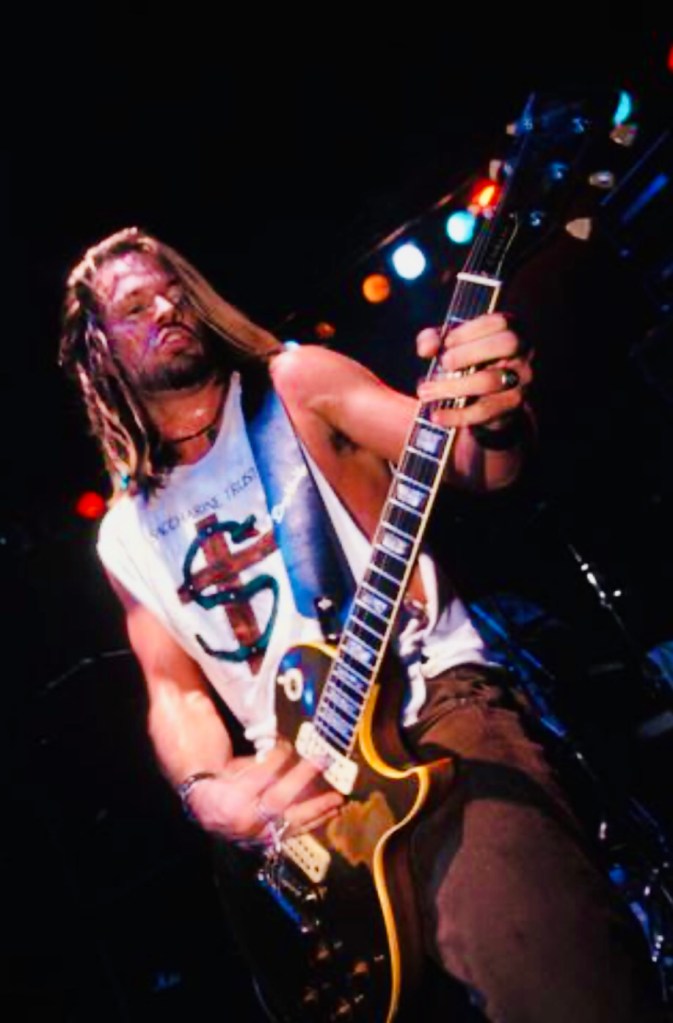
The change in style is evident from the opening bars of ‘Heavens Not Overflowing,’ which is absolutely soaking in a Black Sabbath influenced Blues / Southern Rock style of Metal. Lynrd Skynrd vibes are also strong, and the inspiration of the two 70s heavyweights continues through ‘Albatross,’ and the big single from the release – ‘Clean My Wounds.’ Deliverance supplies a succession of monumental Stoner-esq riffs, with the album very much sounding like a pre-curser to the music Pepper Keenan would make with Pantera’s Philip Anselmo in their side-project Down the following year. ‘Broken Man,’ Seven Days’ and the title track, also all kick like a mule. KZ
8. // Biohazard – State Of The World Address (Warner Bros.)
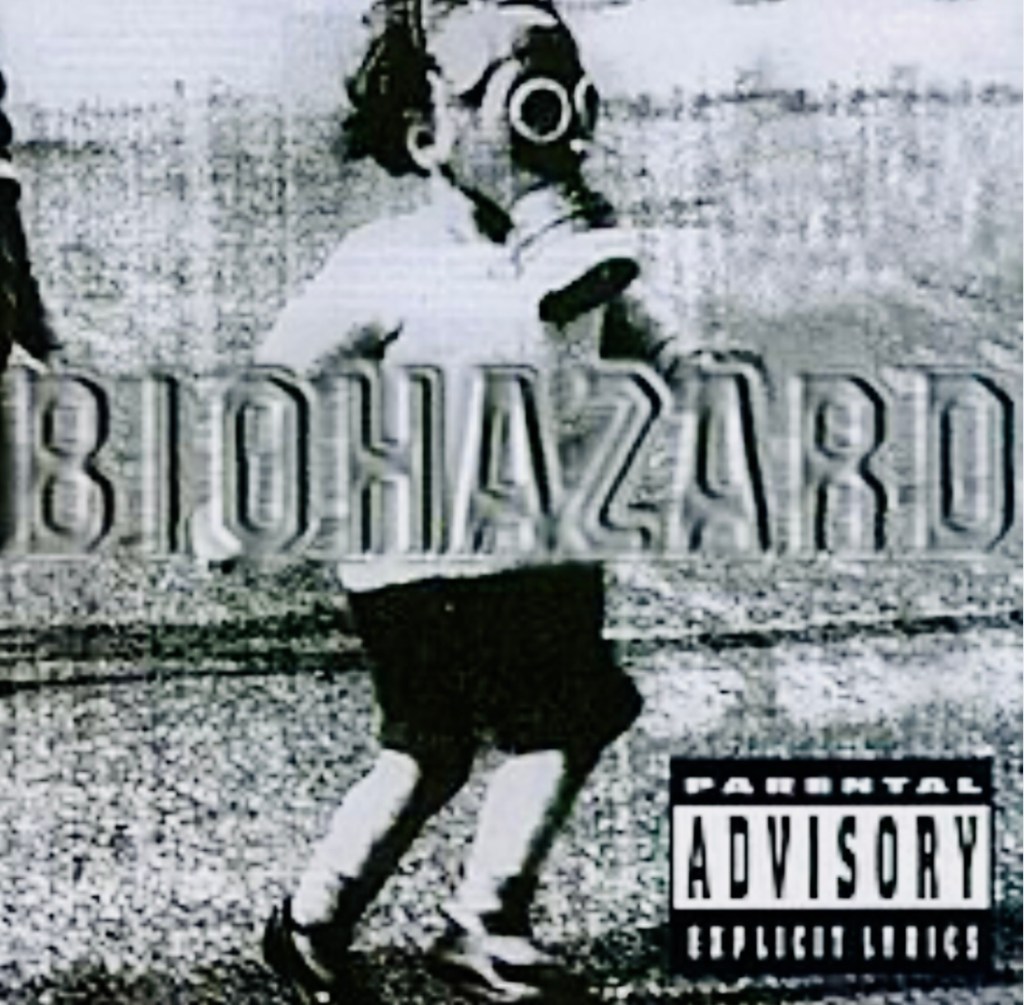
Born from the streets of Brooklyn and a Hardcore scene that featured the likes of Cro-Mags and Agnostic Front, Biohazard released their self-titled debut album in 1990, where the aggressive trading vocals of bassist Evan Seinfeld and guitarist Billy Graziadei made them stand out, as they blurred Hardcore with a Thrash influence from the likes of Slayer. They overcame accusations of conveying white supremest views in some of their early lyrics, always vehemently denying they were a racist band (with Seinfeld himself coming from a Jewish background) – and would eventually sign with Roadrunner Records for their follow up Urban Discipline in 1992.
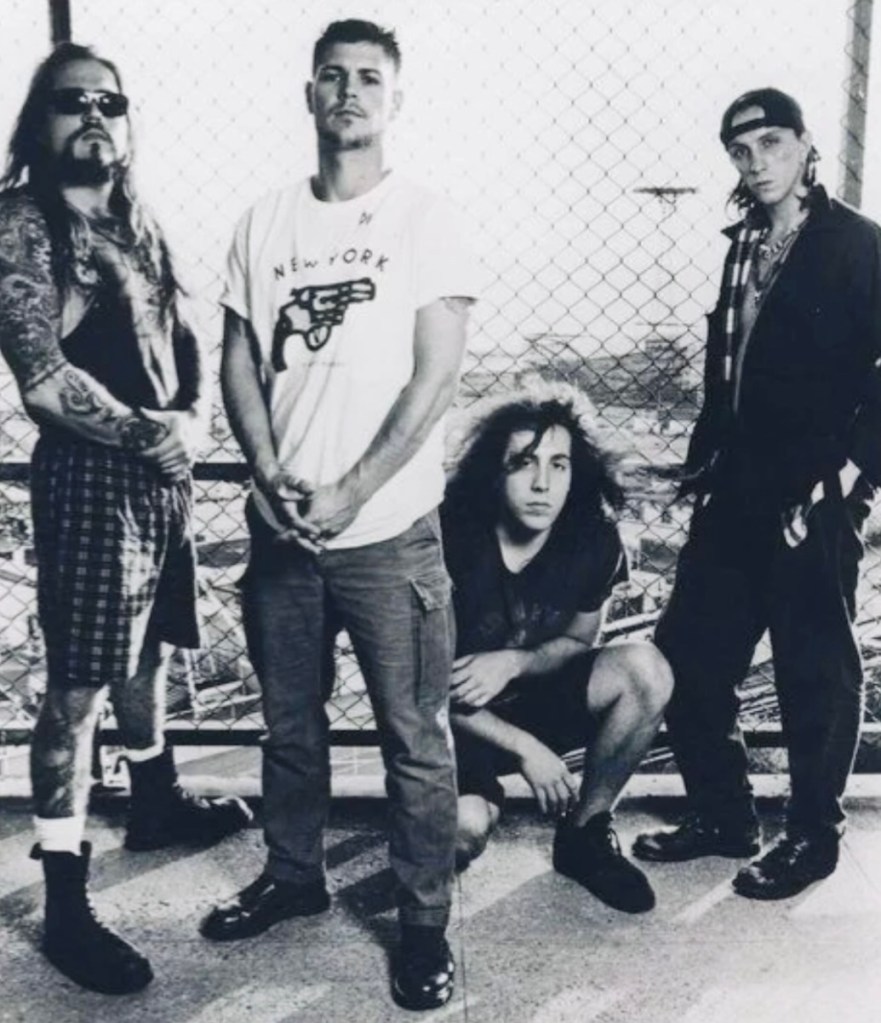
Biohazard’s profile grew following sales of over one million copies of the record, and tours with the likes of House Of Pain and Sick Of It All. Major label Warner Bros. then took them on for their third record State Of The World Address, and the album would be the last to feature their founding guitarist Bobby Hambel, and the last of what is considered their absolute classic line-up – completed by drummer Danny Schuler. State Of The World Address opens with the crunching riff of the title track, a unique Hardcore sound infused with ‘Rap-Metal’ and Thrash, while the duel vocals of Seinfeld and Grazidei trade with pure venom.
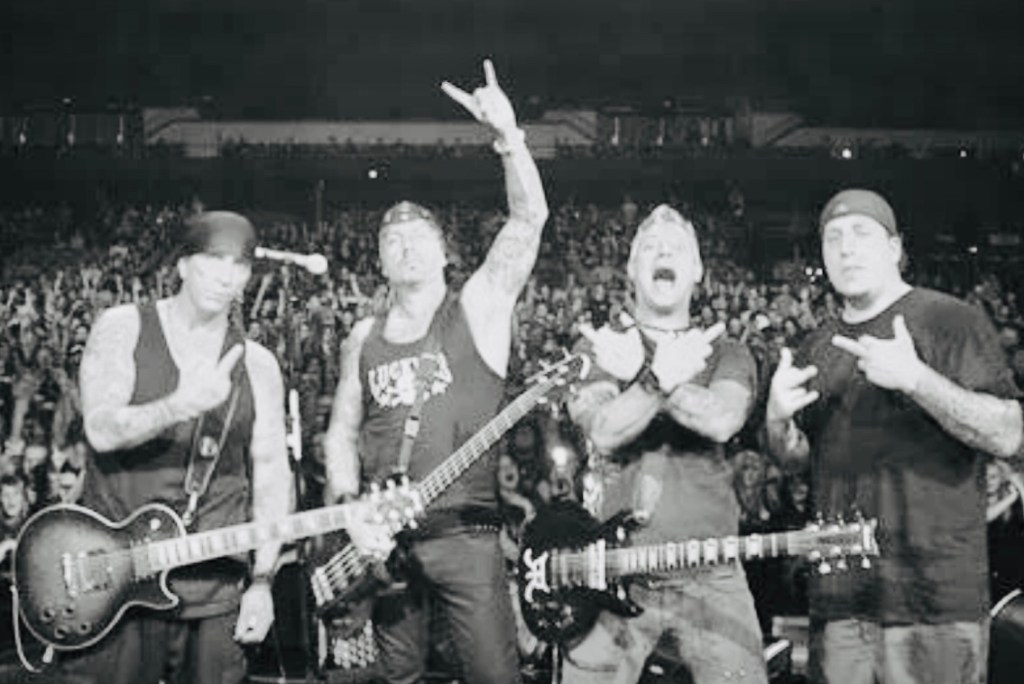
And from there the album is littered with some of the best known songs from the Biohazard arsenal. ‘Down For Life,’ ‘What Makes Us Tick,’ ‘Tales From The Hardside,’ ‘Five Blocks To The Subway’ and ‘Human Animal’ have all been live staples for the band. ‘How It Is’ is a real crossover track, featuring guest vocals from Sen Dog of Cypress Hill. Social-political, racial and gang-centric lyrics are prominent throughout the record – while ‘Remember’ pays tribute to the American soldiers of the Vietnam war. Lastly the riff on ‘Failed Territory’ is just absolutely stunning. KZ
9. // Emperor – In The Nightside Eclipse (Candlelight Records)
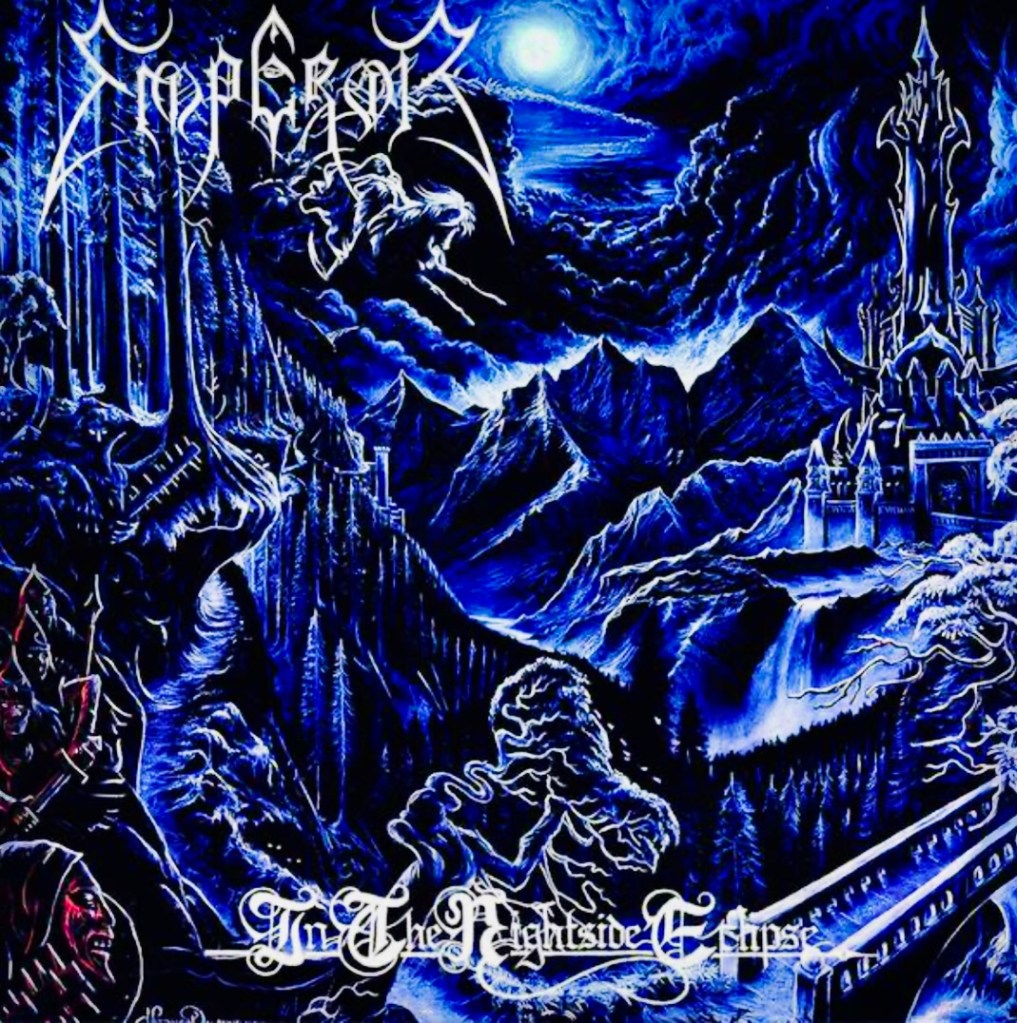
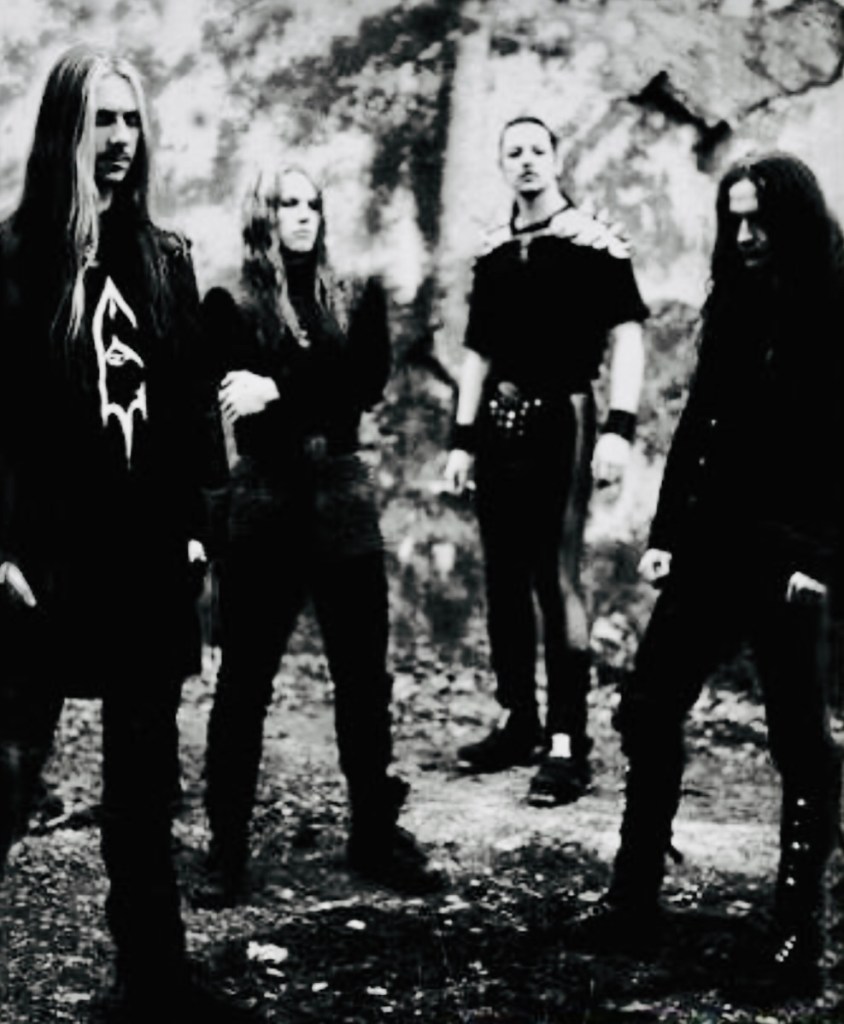
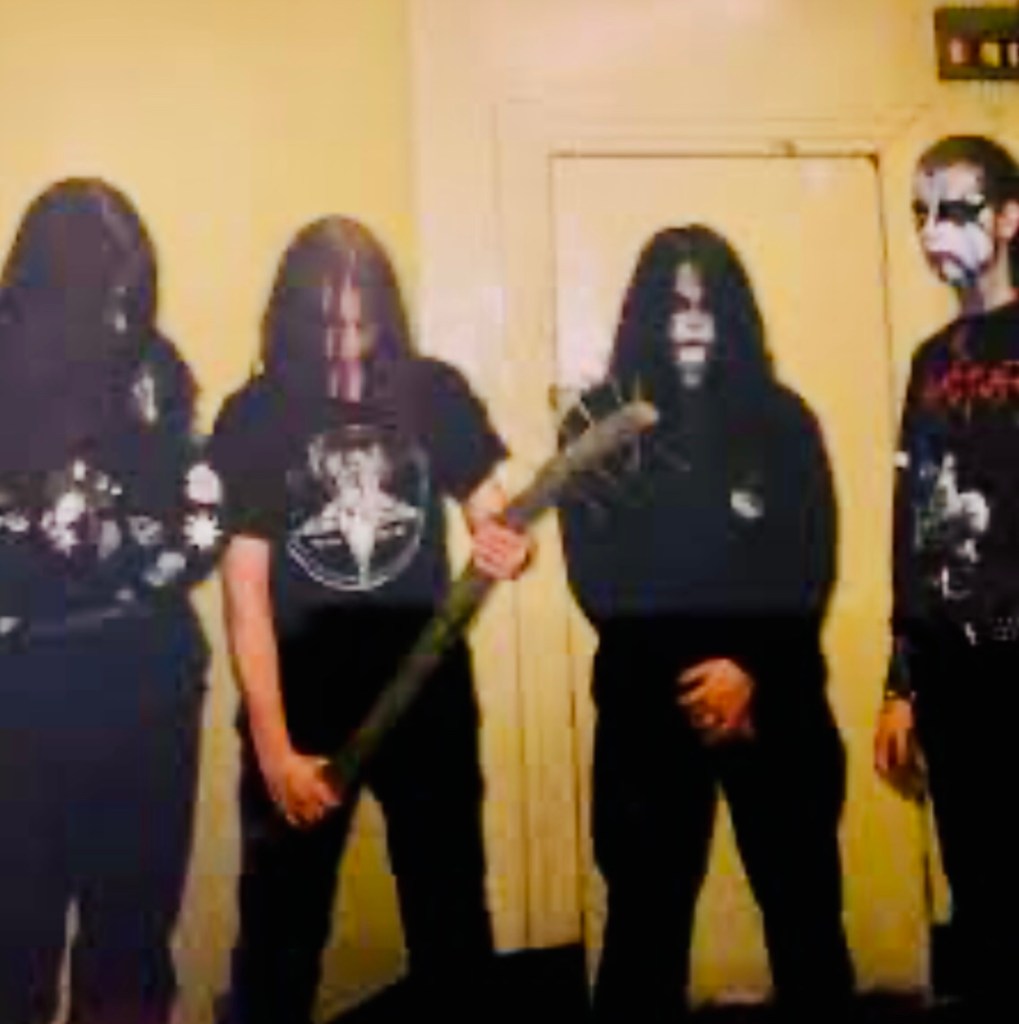
Emperor are one of the best known and commercially successful Black Metal bands to come out of the infamous Norwegian scene of the early to mid 90s. The scene would become seeped in controversy. As notorious for its links to Satanism, church burnings and murder, as it was for its music. And Emperor were right there in the thick of it all. Formed in 1991 by vocalist / guitarist Ihsahn, and drummer turned guitarist Samoth (who initially playing together in the Death Metal band Thou Shalt Suffer), Emperor would record and release a demo – Wrath Of The Tyrant – which caught the attention of Candlelight Records.
A self-titled debut EP was released on the label before the band made plans to switch over to Deathlike Silence Productions – the label created by Mayhem’s Euronymous, to release only pure True Black Metal. However the controversy surrounding the scene and the various convictions for criminal activities that a number of the musicians on the label were involved in, would ultimately see Emperor stick with Candlelight for the release of In The Nightside Eclipse. Emperor’s debut LP, and the first of a four album run before the band would initially call it a day to concentrate on various other projects. And their debut is considered one of the most important in the genre. A masterclass of Symphonic Black Metal, that would go on to inspire a whole new sound.
After a short classical intro the record blasts into life with ‘Into The Infinity Of Thoughts,’ with dark sweeping instrumentals and the harsh caustic vocals of Ihsahn sitting perfectly in the mix. And where the subtle use of synths create an uplifting aura within the darkness. A frenetic pace is set on ‘The Burning Shadows Of Silence,’ where blast-beats meet stabbing jarring guitars. ‘Cosmic Keys To My Creations and Times’ is pure unadulterated vintage Emperor, where a Slayer influence in the riff meets Black Metal head on – and the synths perfectly juxtapose the distorted fury. And the record closes out with two of the very best Emperor compositions of all in ‘I Am The Black Wizards’ and ‘Inno A Satana.’ KZ
10. // Nailbomb – Point Break (Roadrunner Records)
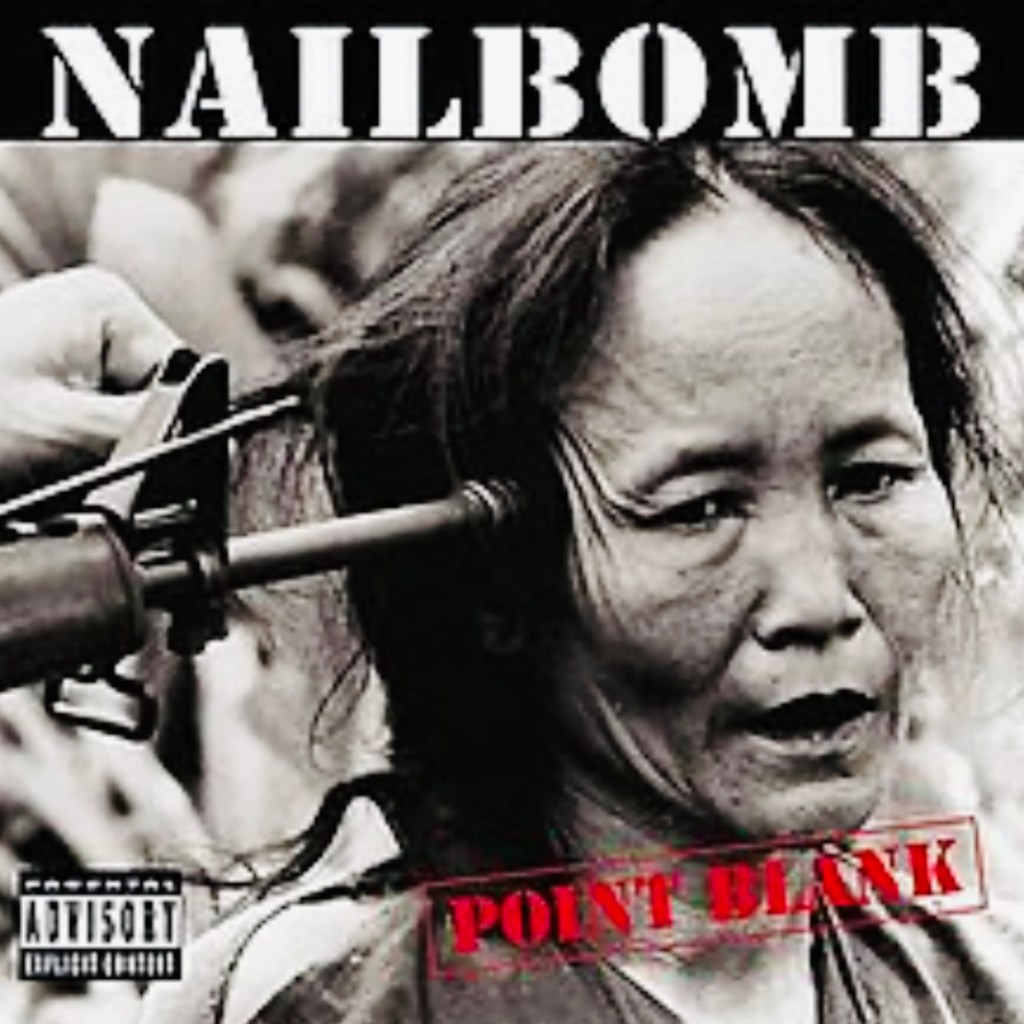
Max Cavalera was a musician in his prime in 1994. Sepultura had released their game changing fifth album Chaos AD the previous year, and the Brazilian band were riding high worldwide. But in between extensive touring and major festival appearances, Max would find the time to team up with Fudge Tunnel’s Alex Newport to form Nailbomb. The duo would write and record Point Break at Cavalera’s home in Phoenix, Arizona, and the two musicians would combine to create one of the vintage one-off Metal records from the era. Cavalera and Newport first met when Fudge Tunnel supported Sepultura on the UK leg of their Chaos AD tour.
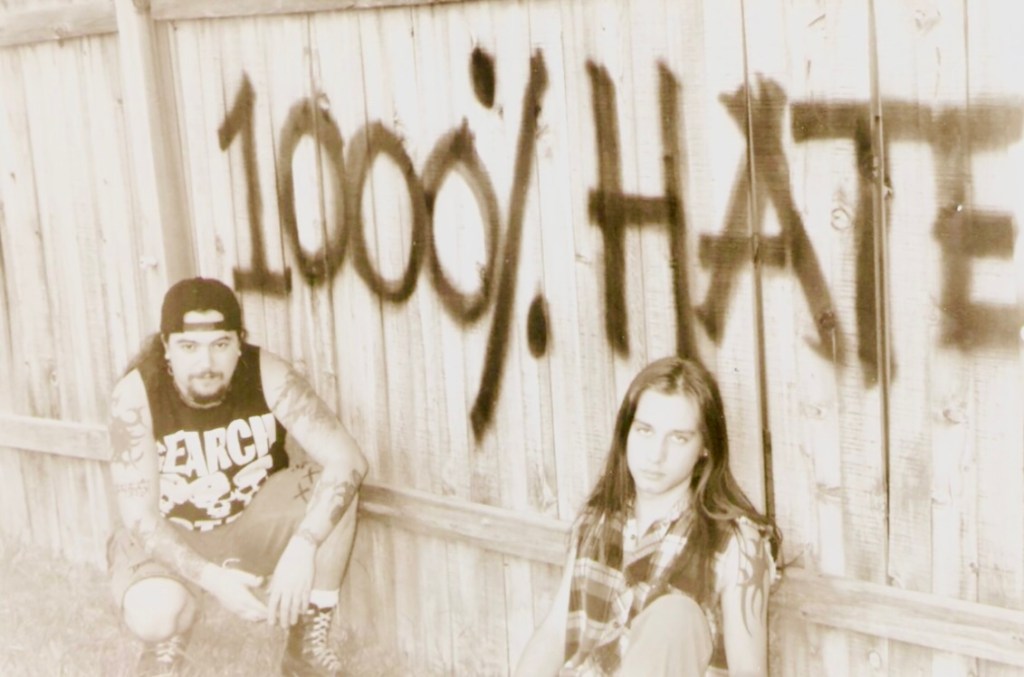
Newport started dating Max’s step daughter and relocated to Phoenix where the two musicians started hanging out, jamming and eventually writing riffs together. Max’s wife and then Sepultura manager Gloria convinced the duo to write an album together, and approached Roadrunner Records. Securing a deal for the release of the album, with the label happy to take advantage of Max Cavalera’s rising popularity at the time. The duo would primarily use a drum machine and sampler alongside guitars to record the album – while also utilising the work of Max’s brother and Sepultura drummer Igor Cavalera to help create Point Break’s clanking, robotic rhythms.
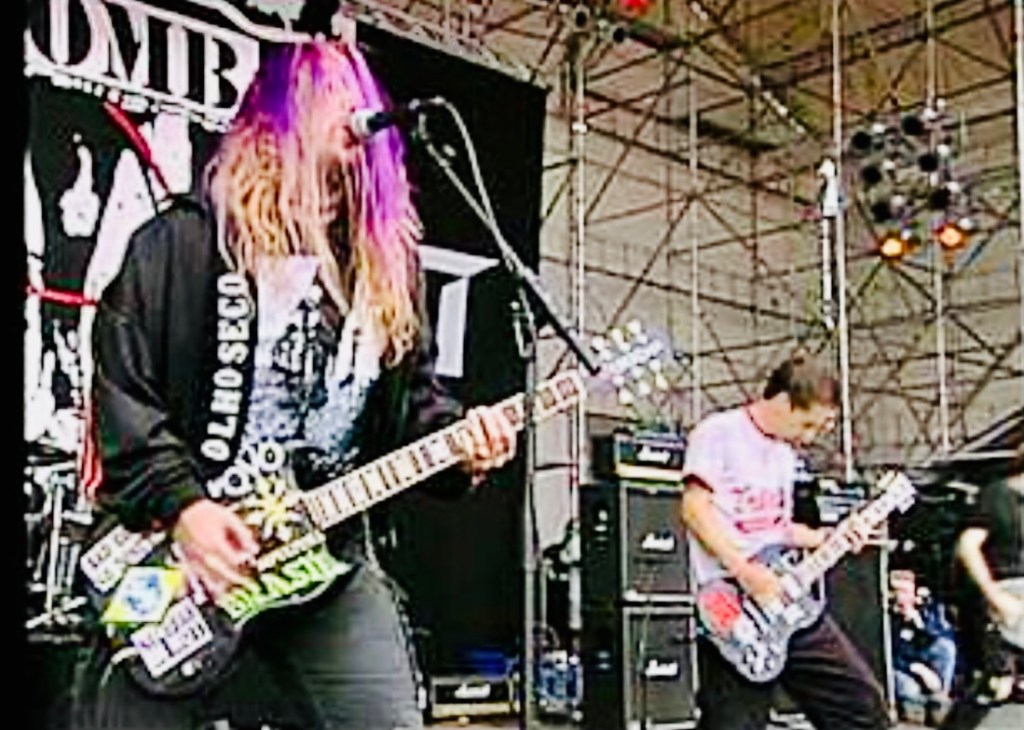
The record opens with a short Industrial intro before the Hardcore-Thrash of ‘Wasting Away’ with the duel vocals of Cavalera and Newport trading over buzzsaw guitars. ‘Vai Toma No Cu’ provides a rhythm and vocal style similiar to Industrial-Metal titans Godflesh. And the influence of this particular band is littered throughout Point Break on the likes of ‘Guerrilas’ and ‘Sum Of Your Achievments’ – while Nailbomb also strip back to their Hardcore roots on tracks like ‘24 Hour Bullshit’ and ‘Blind And Lost.’ Elsewhere ‘Cockroaches’ features one hell of an intoxicating rolling riff, ‘For Fucks Sake’ is a slice of pummelling Industrial-Death Metal, and ‘World Of Shit’ is built around the hypnotic vocal sample – “Hate is reality … Don’t you know God hates?” KZ
Words by Abstrakt_Soul
Now check out our pick of the best Metal albums to land a decade later in 2004:
Kult-Zilla’s Greatest Metal Albums … of 2004!
 kult-zilla.com
Leave a comment