


https://amzn.eu/d/b5TAnqi
1. // Alien (1979)
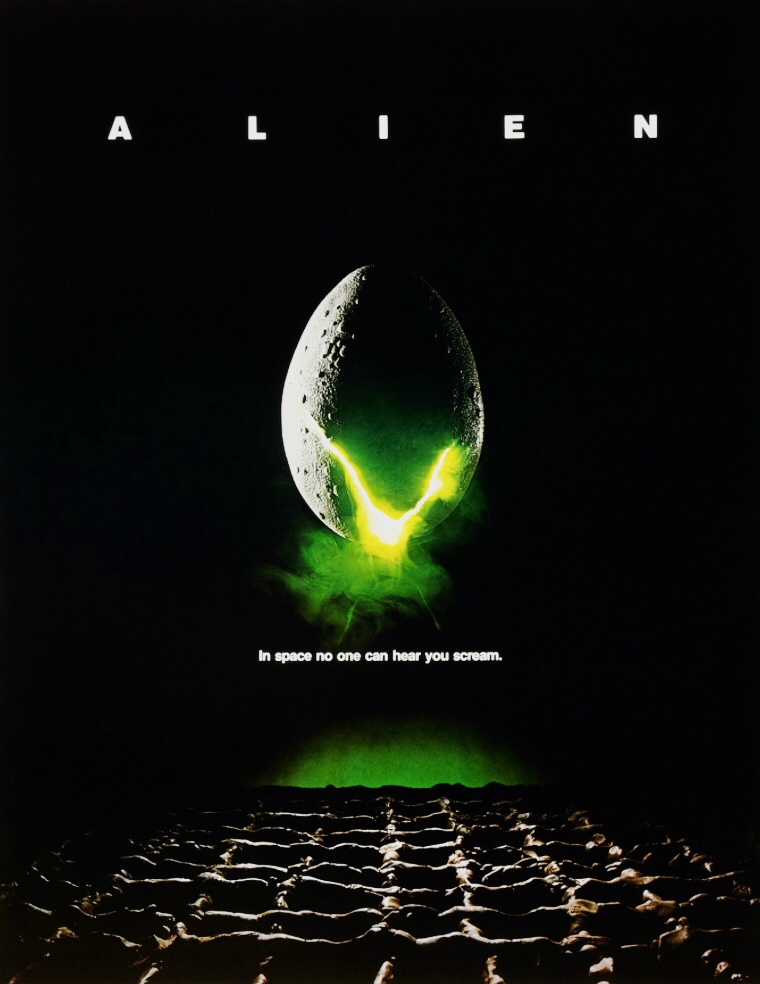
At the end of the 1970s, thanks to the success of George Lucas’s Star Wars – space was very much in vogue in Hollywood. Director Ridley Scott was chosen to bring to life a script written by Dan O’Bannon (The Return of the Living Dead) – who had previously worked in Sci-Fi on Dark Star (1974) with John Carpenter. The future creator of other such classics as Blade Runner (1982) and Gladiator (2000) would use his unique vision to create this visually stunning masterpiece, and one of the most influential Sci-Fi / Horror movies of all time. Much like Star Wars, Alien is very much a product of its time – and blends its Sci-Fi aesthetic with that of 70s costume and set designs, to provide an intriguing time capsule of cinema history.
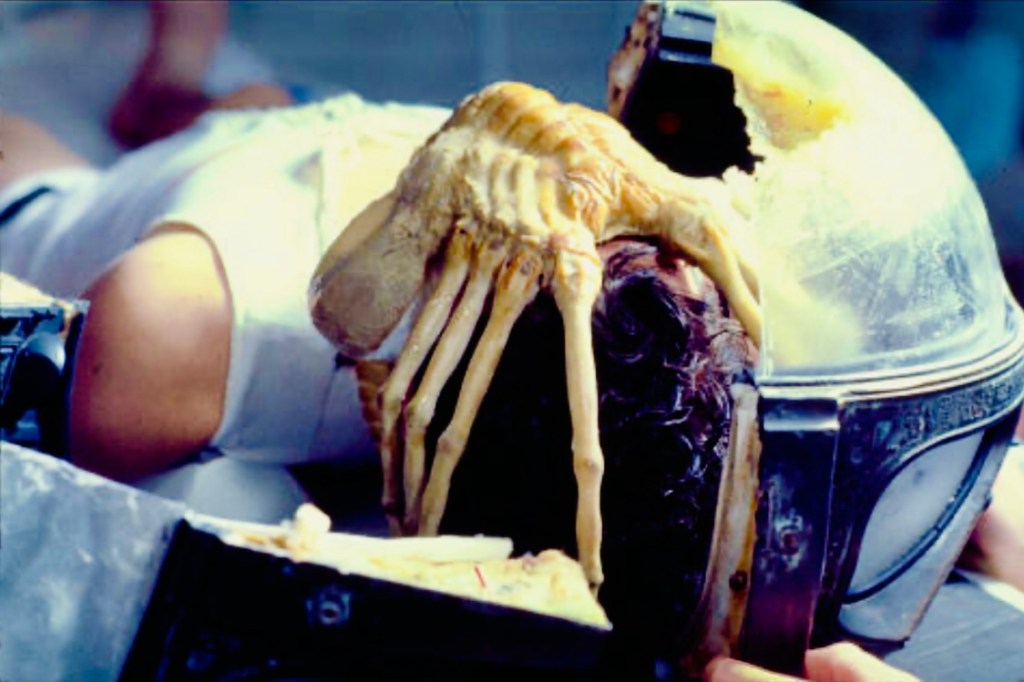
In the distant future a commercial ship named Nostromo is returning to Earth with her seven crew. The crew are all spending the journey in stasis, when the ship’s Mother computer wakes them up prematurely after receiving a distress signal from a derelict spaceship on an unchartered planet. When exploring the wreckage, Executive Officer Kane (John Hurt – The Elephant Man) discovers living pulsating egg like pods, and as he examines one closer a tentacled spider-like creature emerges and attaches to his face, melting through his space helmet in one highly memorable jump scare. Brought back to the ship’s medical bay and ignoring quarantine protocol, the crew are baffled by the face hugging alien which has seemingly put him in a coma, yet is also providing him with oxygen and keeping him alive. And when attempting to move the creature, they discover its bleeds a highly corrosive acid-like substance.

When the Face Hugger mysteriously detaches itself and dies, Kane is seemingly revived – fit and healthy. The crew have dinner together, before Alien delivers one of the all time iconic scenes in Horror – when to their, and the audiences astonishment, a new alien creature literally bursts through Kane’s chest. The Xenomorph is a deadly killing machine which grows at an astonishing rate, and begins picking off the crew one by one as they attempt to figure out whether to fight or flight. The movie leads to an infamous final showdown with Officer Ellen Ripley (Sigourney Weaver – Ghostbusters) – with many a twist and turn along the way. As iconic as the film itself is, so are the academy award winning special FX used to bring the story to life – along with the now legendary alien creature design by Swiss artist H.R. Giger. KZ
2. // Jaws (1975)

Peter Benchley’s novel Jaws (1974) was soon picked up as an ideal movie opportunity by Universal Pictures, and young film-maker Steven Spielberg, who had only made a handful of TV movies at the time including Duel (1971) – and one theatrical film – The Sugarland Express (1974) – was chosen to take on the task of directing. The rest as they say is history, with Jaws becoming the all time great ‘Monster-Movie,’ while engraining a fear of sharks into many a person. While Spielberg (Raiders of the Lost Ark / Jurassic Park) would go on to have one of the standout careers in movie making. The film has one of the highly memorable opening sequences, as a drunk young couple run towards the ocean after partying around a beach campfire, laughing and joking as they toss their clothes aside – with the female eventually jumping into the sea for a midnight skinny dip.
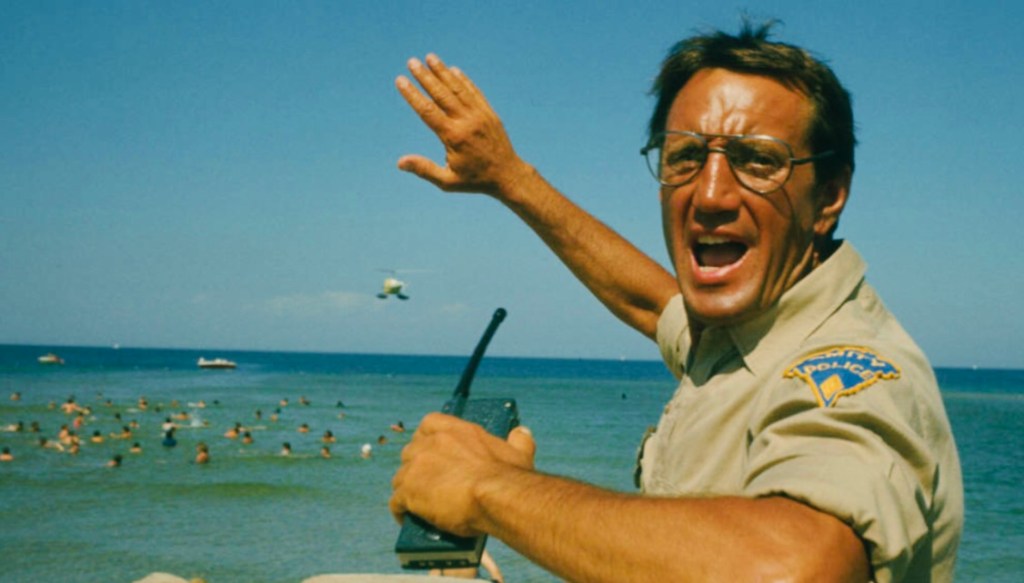
As she swims from the shore, Spielberg cuts the camera angle underwater and we observe her splashing legs from a monster deep below. Accentuated by the amazing score from John Williams (Star Wars) – the camera swims towards the girls legs, before cutting back above water as we hear her scream and start to thrash around in the now blood soaked sea, in what is utterly fantastic cinema! Set in the fictional New England beach town of Amity Island, new Police chief Martin Brody (Roy Schneider – The French Connection) is called in when the girls remains wash up on the beach the following morning. He wants to close the beach when a medical examiner confirms her death was a shark attack, however fearing for the town’s tourism trade, the shady Mayor Vaughan (Murray Hamilton – The Graduate) overrules him – and that day a young boy is killed in front of dozens of horrified people.

From here the movie ramps up the pace as a shark hunt takes place, and when a Tiger Shark is caught – believing the sea to now be safe again, the Mayor opens up the beaches. However marine biologist Hooper (Richard Dreyfuss – Close Encounters of the Third Kind) warns that the caught shark is too small, and on the Fourth of July … tragedy strikes again. Chief Brody, Hooper and the unhinged fisherman Quint (Robert Shaw – A Man For All Seasons) – all take to the sea together for an unforgettable final act. And as they hunt Jaws to the death, the film delivers a series of iconic sequences, some gory scenes of Horror, and a unforgettable climax. All perfectly executed with a slick script, and stunning practical FX for the time, created by Spielberg and his team. KZ
3. // Halloween (1978)
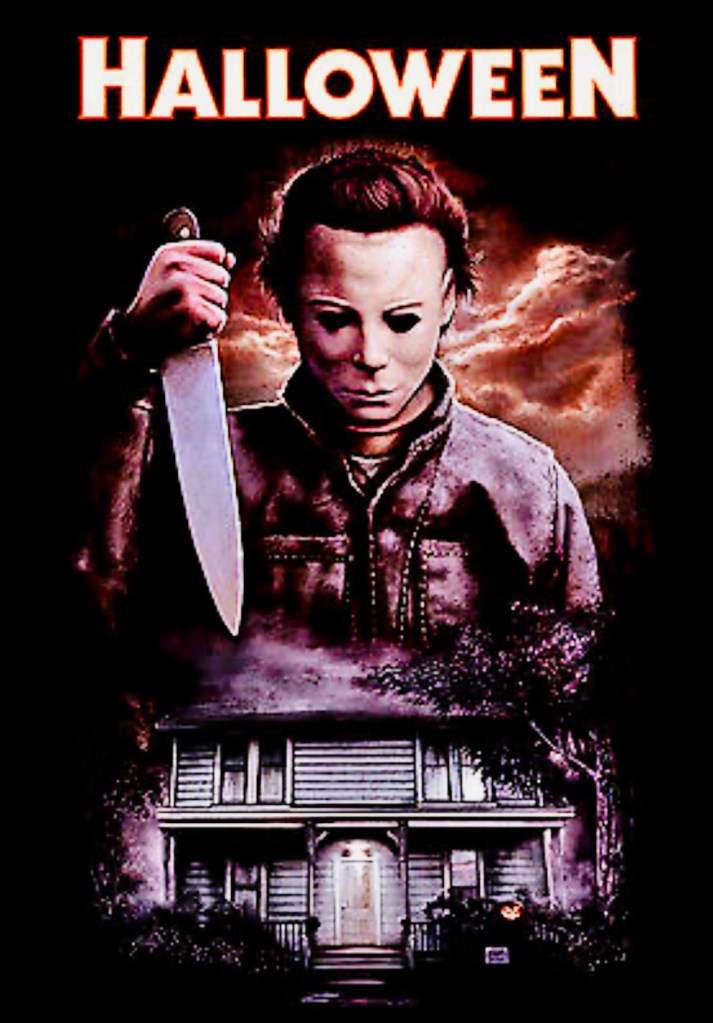
With Halloween, the now legendary master of Horror John Carpenter (The Thing / The Fog) created a movie that would ignite interest in the Slasher sub-genre, inspiring a craze that would become dominant in the following decade. And while Halloween was certainly not the first, with Alfred Hitchcock’s Psycho (1960), Mario Bava’s A Bay of Blood (1971) and Black Christmas (1974) all coming before and featuring a number of kills by a knife wielding antagonist, Carpenter’s visionary flick just seemed to land at the right time. Kick-starting a movement that would spawn the likes of Friday the 13th (1980), The Burning (1981), Sleepaway Camp (1983) and Wes Craven’s A Nightmare on Elm Street (1984).
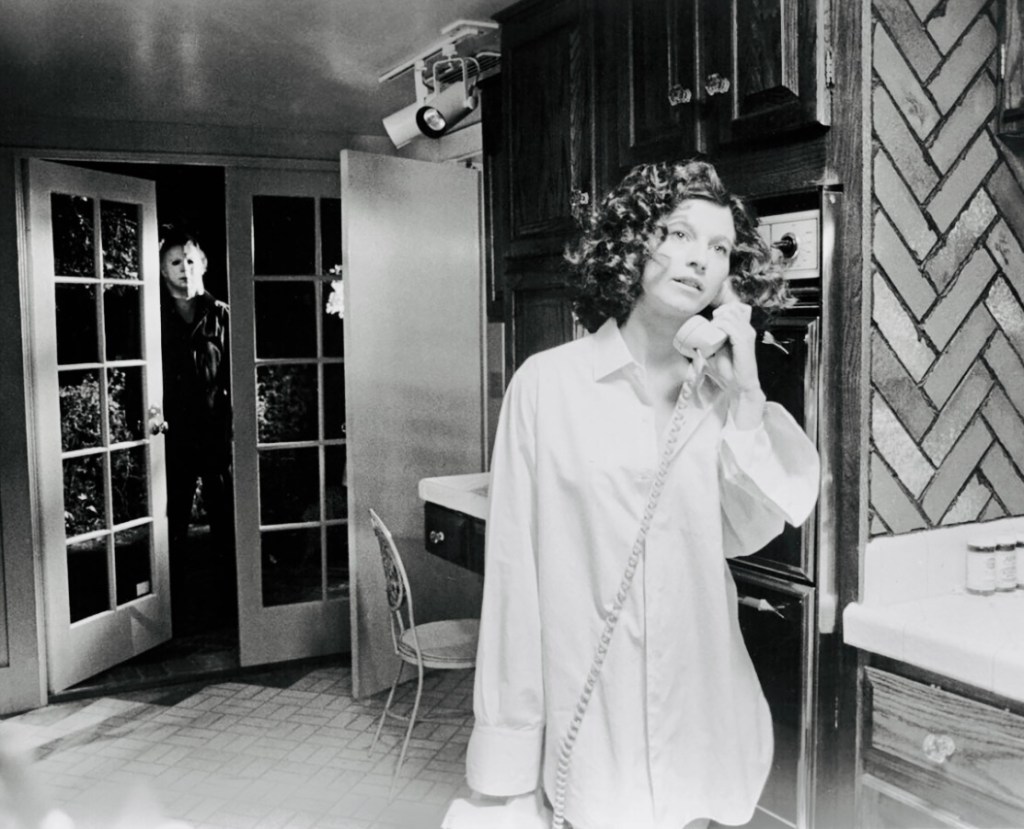
Carpenter co-wrote the film with his then partner Debra Hill, with the couple creating not only an iconic movie, but also an iconic killer in Michael Myers – or ‘The Shape’ as he was simply referred to in the script. An emotionless killer who would become engrained in Horror pop-culture, appearing time and time again as sequels, remakes and reboots continue to arrive over 40 years later. But none of the eleven (to date) movies featuring Michael Myers as the masked murderer hold a candle to this original film, a story that was fully intended to be a complete and isolated story by Carpenter and Hill. Until the box office receipts said otherwise, and Carpenter would somewhat reluctantly be convinced to pen Halloween II (1981) – although he would choose not return behind the camera.
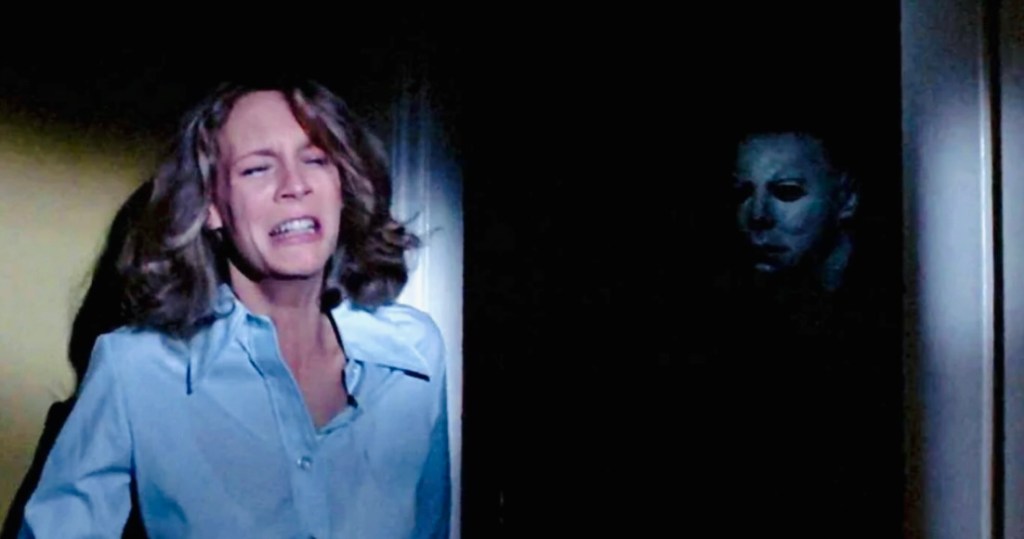
Is his original masterpiece, a six-year-old Michael would be imprisoned in a sanitarium after murdering his older sister on Halloween night. Fifteen years later, now a mute and emotionless brute of a man, Michael escapes his incarceration and heads back to his home town of Haddenfield, Illonois, to once again wreck havoc on Halloween. This time stalking and murdering a group of teenagers as they babysit younger children. Jamie Lee Curtis (True Lies) plays another iconic character in the ultimate ‘final girl’ Laurie Strode, while veteran actor Donald Pleasence (You Only Live Twice / The Great Escape) plays psychiatrist Samuel Loomis, who is hot on the trail of his escaped patient – fully aware of the pure evil that lurks within him, and perhaps the only person who can stop his bloodbath. KZ
4. // The Exorcist (1973)

The Exorcist shocked audiences when it released in 1973, conveying a graphic depiction of a young female seemingly possessed by a demon. And the film is considered one of the most important Horror movies of all time, in terms of the influence it would have on the modern era of the genre over the last fifty years or so. It can unquestionably be looked upon as the origin of the demon-possession sub-genre, and features many iconic scenes and lines of dialogue. Directed by William Friedkin (The French Connection), The Exorcist was based on the 1971 novel by William Peter Blatty (who would also write the screenplay) – and went on to create a franchise of sequels, varying in quality from the excellent The Exorcist III: Legion (1990) – to the recent largely forgettable The Exorcist: Believer (2023).
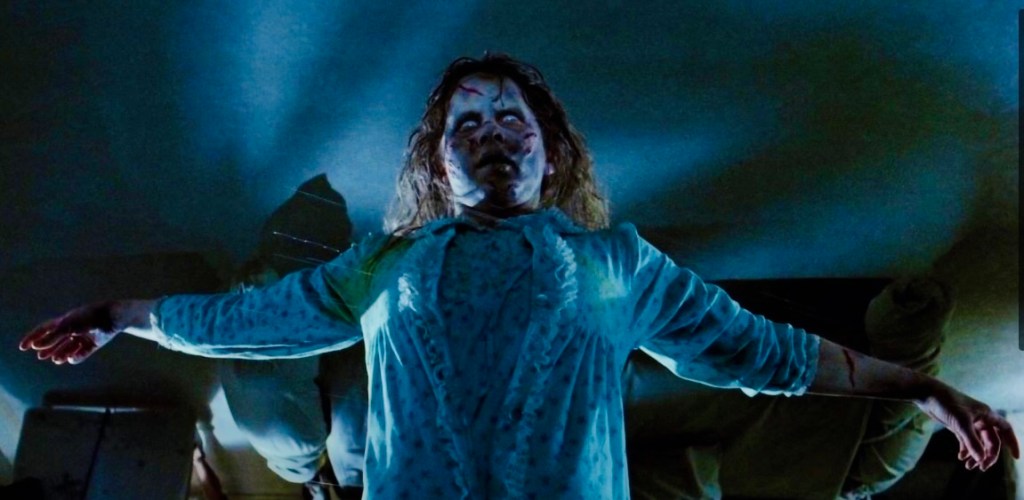
Linda Blair (Savage Streets) plays 13-year-old Regan, daughter of actress Chris MacNeil (Ellen Burstyn) who is filming in Washington DC. After finding and playing with a Ouija board in the basement of their rented house, Regan’s personality starts to change and she begins to fall ill. When all medical tests and examinations prove inconclusive and her condition continues to deeply worsen, it becomes apparent that supernatural forces may be at play. Chris consults with Father Karris (Jason Miller) – a local priest who is experiencing a crisis of faith following the death of his mother. And upon meeting Regan, he believes she may indeed have become the vessel of a malevolent demon, and seeks permission from the Catholic Church to perform an exorcist.
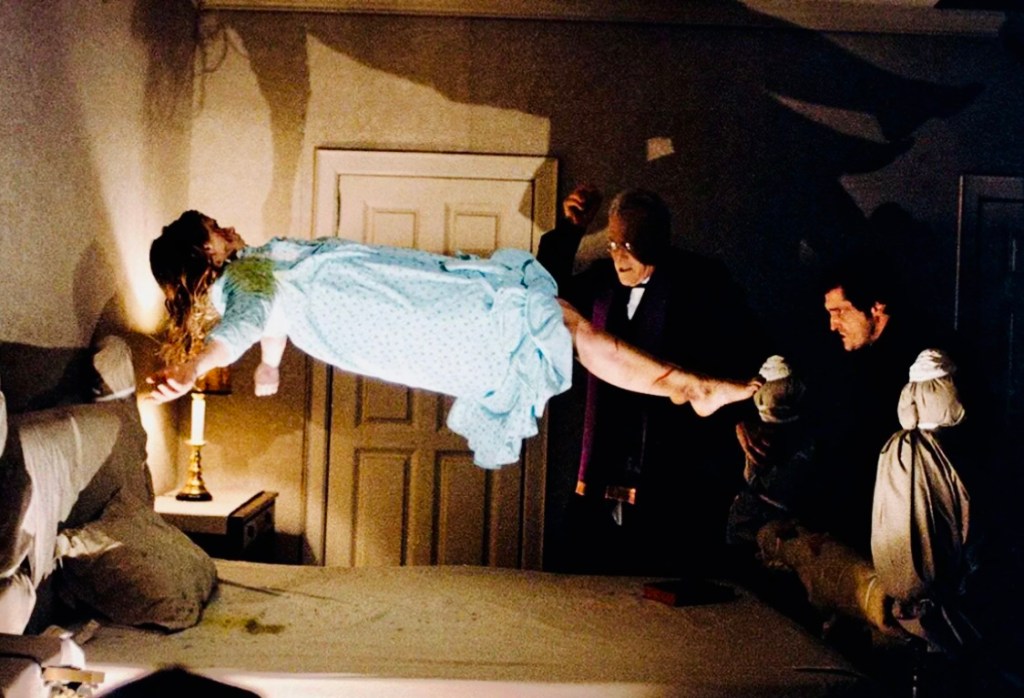
The church send in the experienced Father Merrin (Max Von Sydow) and the two perform the holy ritual, giving everything they have in order to save the soul of the young girl, in an unforgettable showdown with the demon inside her. There are so many classic scenes throughout the film, especially in the final act which have engrained themselves in Horror pop-culture. While The Exorcist was also hugely controversial on its release, as the harrowing depiction by Linda Blair along with the language she speaks and imagery she portrays, was unlike anything audiences had ever experienced at the time. KZ
5. // Don’t Look Now (1973)

A thoroughly intriguing exploration of grief and our relationship with the unknown forces of the afterlife, the stylish Don’t Look Now was directed by Nicolas Roeg (The Man Who Fell To Earth) and is considered one of the quintessential English thrillers from the era. The movie stars Donald Sutherland (M.A.S.H) and Julie Christie (Doctor Zhivago) as John and Laura Baxter, parents who tragically lose their young daughter Christine when she drowns in a pond within the grounds of their English country home. A short time later the couple relocate to Venice while John manages the restoration of a Catholic church. Laura has a chance encounter with two old sisters in a restaurant, one of which is blind and psychic. The clairvoyant tells her not to be sad, as she has seen her daughter who is happy and always with her.
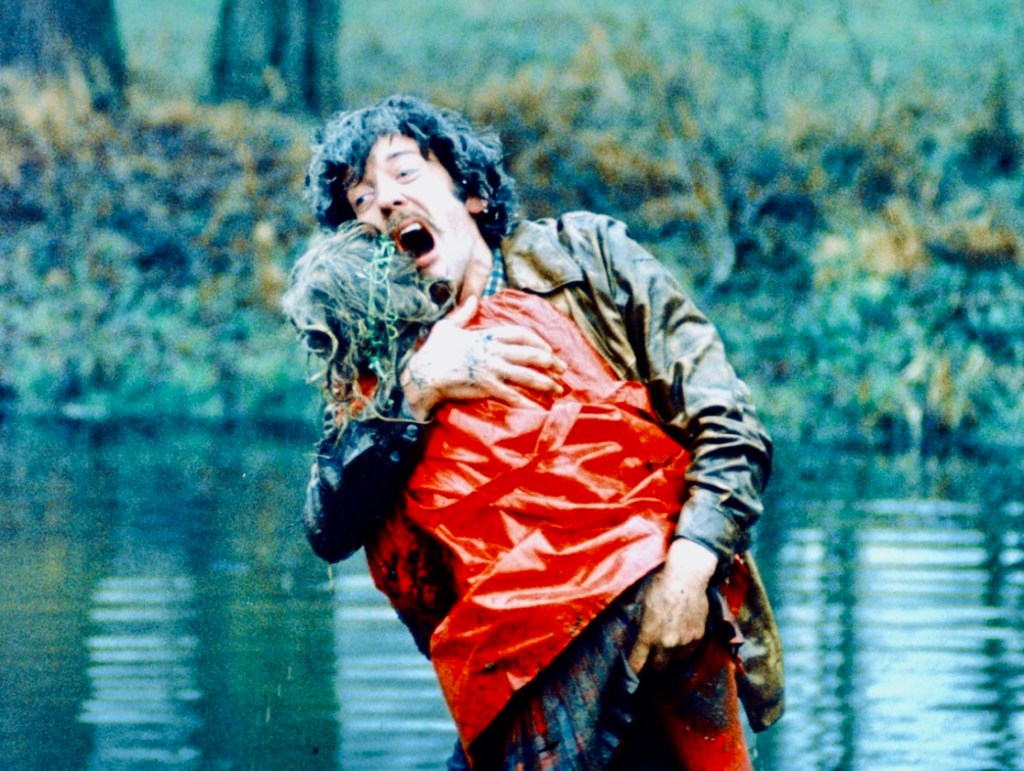
John is dismissive of what Laura has been told and the effect that it has on her, as she becomes fascinated with seeking help from the psychic in making contact with her daughter, But his scepticism becomes challenged as he starts to experience strange events around him, including seeing visions of a child wearing a similair distinctive red coat his daughter was wearing when she drowned. While also experiencing disorientation while walking the labyrinth of the city at night, becoming lost and disconnected from his wife at times. A dark tone accentuated by the sub-plot of a serial killer stalking the streets of Venice while the couple are in town, creates a thoroughly absorbing chiller of a film.

During a psychic trance Laura is warned that John’s life is in danger while they remain in Venice. She believes this to be a message beyond the grave from Christine, which only strengthens the barrier between Laura and her sceptic husband. The film explores near death experiences, premonitions and sanity – weaving these complex themes in a disorientating web for both David and the audience. Don’t Look Now is sumptuously shot, fully engaging the viewer within the gothic architecture and religious symbolism of its Venice setting, while also drip feeding a kaleidoscope of different interlinking visual tones and themes throughout. Subtle and slow burning, it uses sound and colour to mesmerising effect. And would also cause great controversy by featuring a graphic sex scene between its two leads, which was considered highly explicit for mainstream cinema back in 1973. KZ
6. // The Omen (1976)

Before director Richard Donner hit the box office big time with Superman in 1978, he provided us with a bonafide Horror classic in The Omen. Horror based around religion and the occult had already proved popular in an era that had provided us with Rosemary’s Baby (1968), The Devil Rides Out (1968) and The Exorcist (1973) – and with The Omen (written by David Seltzer – Bird On A Wire) – Richard Donner would provide a thoroughly fresh take on the genre. A supernatural masterpiece which would provide a number of sequels, while also inspiring many more movies by epitomising the use of a creepy child antagonist.
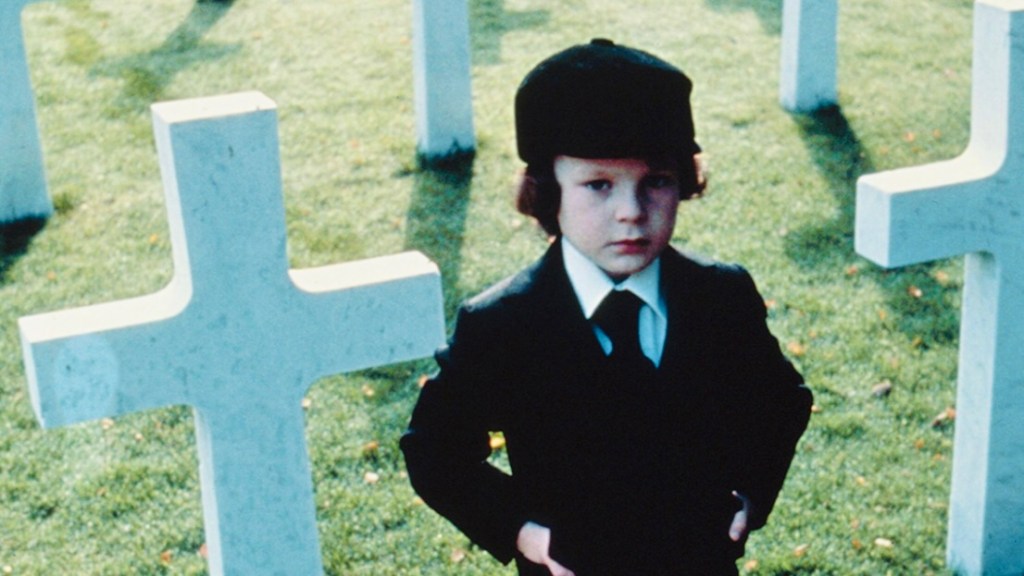
The film opens in Rome where Katherine (Lee Remick – Anatomy Of A Murder) – the wife of American diplomat Robert Thorn (Gregory Peck – To Kill A Mockingbird) – unknowingly gives birth to a stillborn baby at 6am on the 6th June (666!). Robert is convinced to adopt another baby (who’s mother died in childbirth) by the hospital chaplain, and does so without telling his wife who believes the baby to be their own. Jumping forward to their son Damien’s fifth birthday, his nanny throws herself from the roof with a noose around her neck – crashing through a window in one of the classic film’s iconic scenes. And from here the Thorns life begins to become plagued with death, and a strange aura seems to surround their son everywhere he goes. And just who is the creepy new nanny – Mrs Baylock (Billy Whitelaw – The Krays) – who mysteriously moves in to their home to help look after Damien?
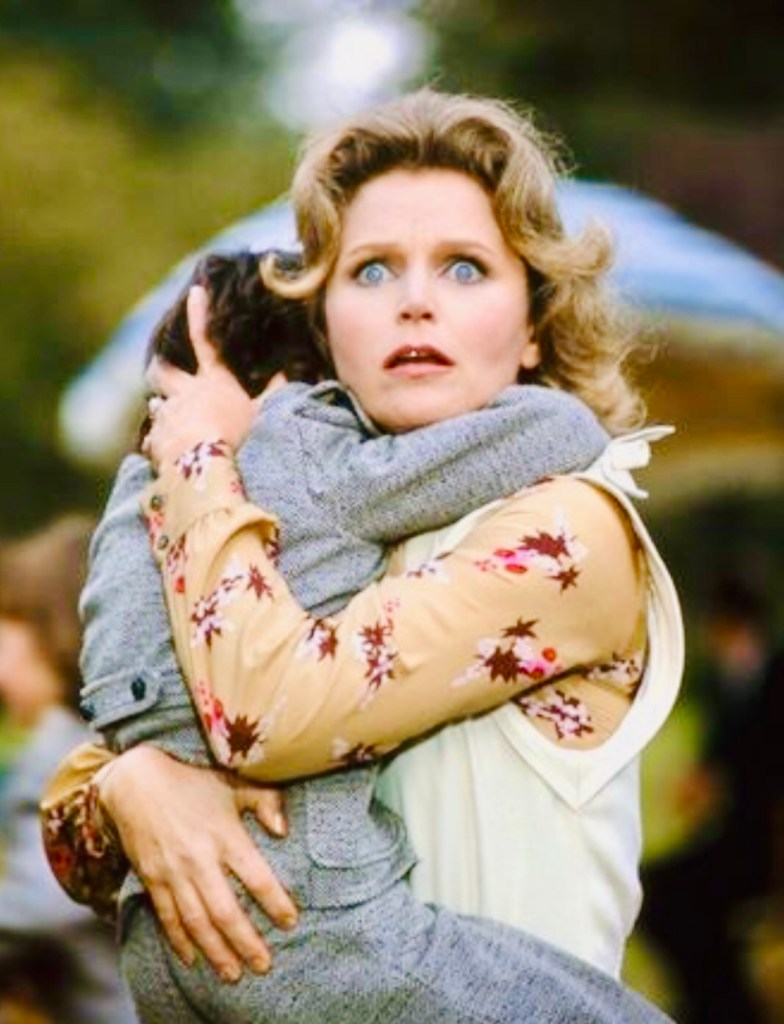
Robert is visited by Father Brennan, a priest who warns the diplomat that he was at the hospital five years prior when he adopted Damien. And that the child is the spawn of Satan, who will end up killing him and his family in order to inherit his wealth and privilege. He naturally disbelieves what he is told, but after the Priest is killed in a horrific accident, Robert begins to suspect that all may not be as it seems with his child, and eventually is faced with an agonising decision as to what to do with the knowledge that his son may well indeed be the Anti-Christ. The Omen is a chilling and iconic movie, with a number of memorable kill sequences, and it unquestionably stands the test of time as one of the best from the era. KZ
7. // Carrie (1976)
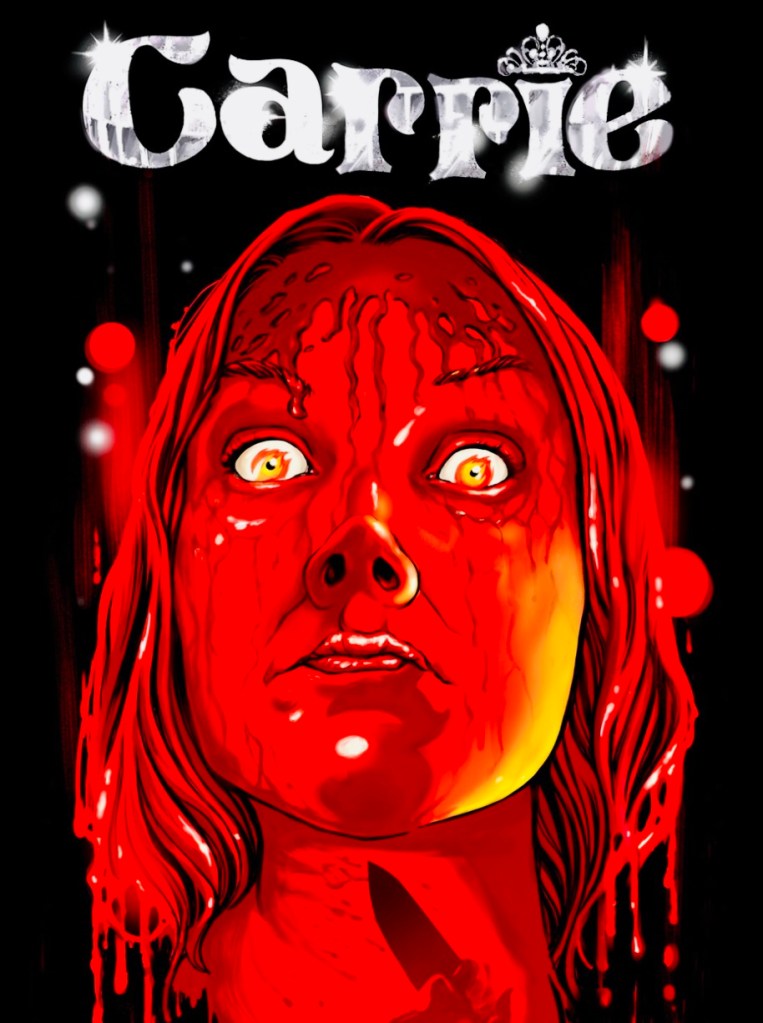
Directed by Brian De Palma (Scarface) – Carrie was adapted from the debut 1974 novel by Stephen King, which would launch the career of the now famed writer of Horror and Fantasy. The reported $200,000 advance that King would receive for the rights to the paperback publication of his story, would enable him to quit his teaching job and focus on writing full time. The novels Salem’s Lot (1975) and The Shining (1975) would follow, and the rest as they say is history! And the filmed version of Carrie – featuring a highly memorable performance by Sissy Spacek in the tortured lead role – would more than play its part in laying the groundwork for the success King would also go on to receive in film, as his books have virtually been plucked one by one in the subsequent years by Hollywood.
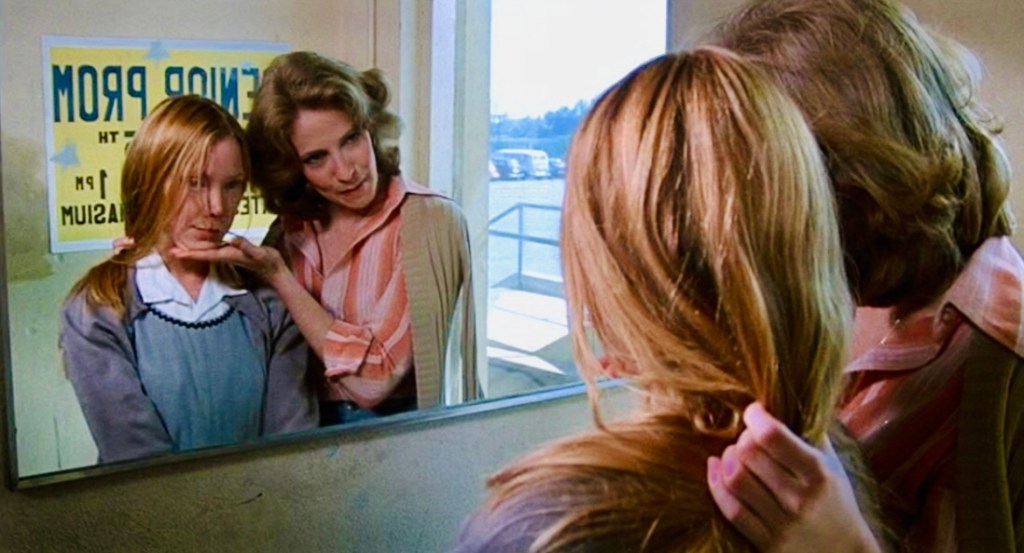
The movie opens with a highly controversial shower scene, exploring a sexuality within teenage innocence as De Palma contrasts Carrie exploring her body as she washes herself, with the horror of experiencing her first period and having no idea what is happening to her or why she is bleeding. She is an outsider horribly bullied by her high school peers, and a daughter to a devout Catholic extremist mother – Margaret (Piper Laurie – The Hustler) – who horribly abuses her and does her upmost to segregate her daughter from their surrounding community. When Carrie is viciously mocked by the other girls in her class for reacting to her period with shock, the girls are all served detention by their gym teacher. And spoilt brat Chris (Nancy Allen – Robocop) – vows to take revenge on Carrie when she is also barred from attending their school prom.

Another popular girl Sue (Amy Irving) feels pity for Carrie, and asks her boyfriend, school jock Tommy (William Katt) – to ask Carrie to the prom in order to make her feel better. Tommy reluctantly agrees, and Carrie is over the moon to feel like a ‘normal’ teenager for the first time in her life. However with the help of her obnoxious boyfriend Billy (John Travolta) – Chris ruins Carrie’s big night by arranging for a bucket of pigs blood to be split over her head, when her and Tommy are crowned king and queen of the ball. However the prank has disastrous consequences, as Carrie has been afflicted with the powerful gift of telekinesis, and the shame and laughter of her peers unleashes a fury of murderous revenge inside of her. KZ
8. // Invasion of the Body Snatchers (1978)

Based on the 1955 novel by Jack Finney, which was first adapted into one of the quintessential Sci-Fi / Horror movies of the fifties a year later, Invasion of the Body Snatchers was remade by director Phillip Kaufman (Raiders of the Lost Ark – writer) with a strong cast including Donald Sutherland (Don’t Look Now), Brooke Adams (The Dead Zone), Jeff Goldblum (The Fly), Leonard Nimoy (Star Trek) and Veronica Cartwright (Alien). The movie opens with a very visual Sci-Fi feel, as we see alien spores from space floating down to Earth, before mixing with our plant life and growing into pods with unusual pink flowers, in what we find out to be modern day San Fransisco.
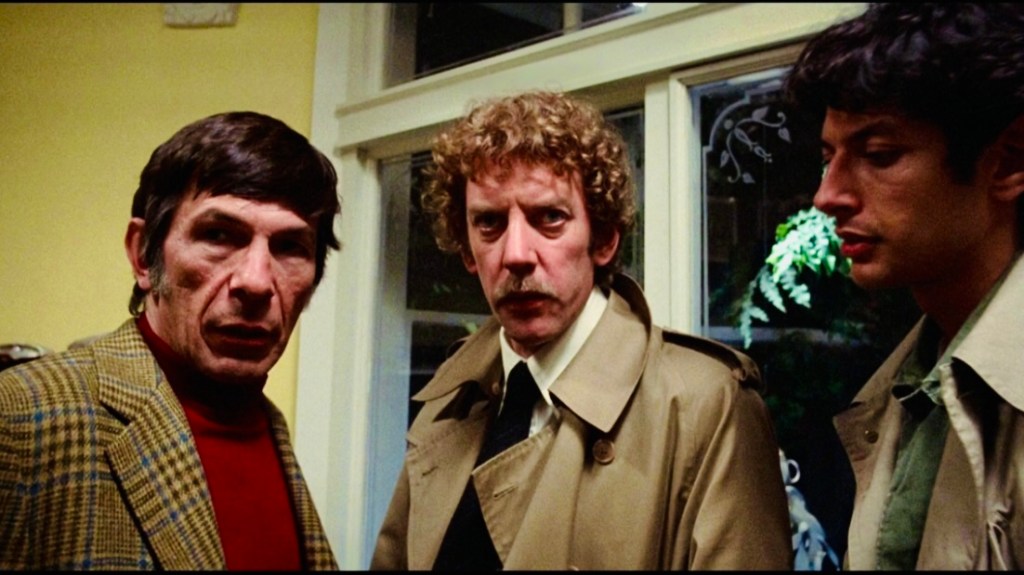
Matthew (Sutherland) and Elizabeth (Adams) are two public health officials who work in the city, and the film begins to build a feeling of paranoia and dread within Elizabeth’s characters when her partner Geoffrey (Art Hindle – Black Christmas) begins acting strange and emotionless around her, after she discovers and brings home one of the pink flowers. She is convinced that something inside of her partner has changed, and confides in her colleague who rationalises that there must be a simple underlying explanation as to his recent change in mood. However Elizabeth becomes convinced that there is something far more sinister afoot with his behaviour, when she follows him and sees him meeting with groups of strangers. Each person with the same blank emotionless expression on their faces.
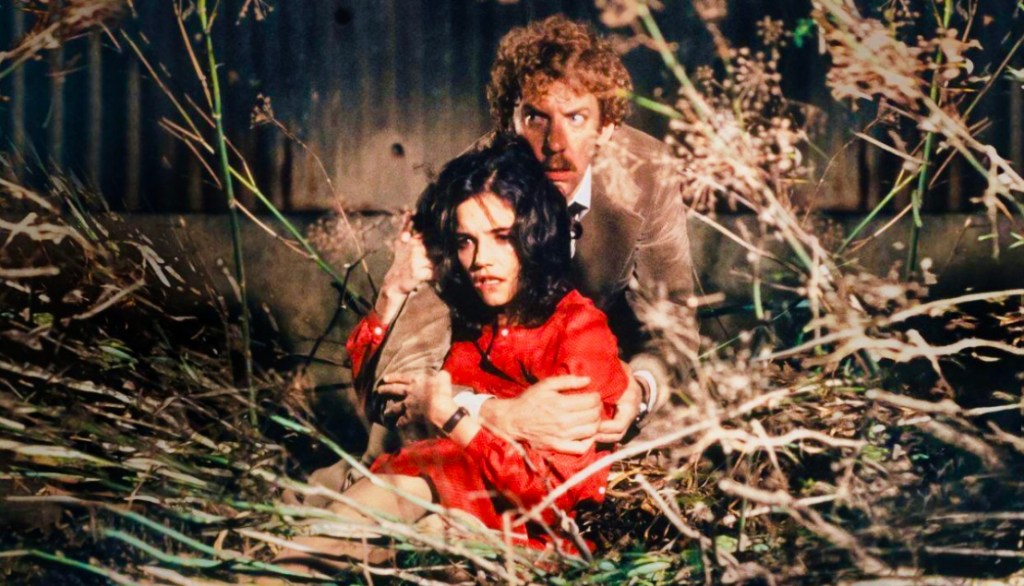
She becomes frightened when she begins to sense a change in the city around her, while Matthew also begins to notice strange behaviour, with many people increasingly complaining that their loved ones feel like imposters. From here the film masterfully builds the tension, and Matthew begins to fear for his sanity as he comes across a cocooned like doppelgänger of Elizabeth, turning to his friends – psychiatrist David (Nimoy) and writer Jack (Goldblum) – to help him unravel the mystery that increasingly surrounds them. Invasion of the Body Snatchers offers some memorable practical FX and sequences of Body-Horror, when the alien plant-like pods give birth to cocooned Human doppelgängers – itself an influence no doubt on the work of Rob Bottin in John Carpenter’s The Thing, four years later. KZ
9. // Dawn of the Dead (1978)
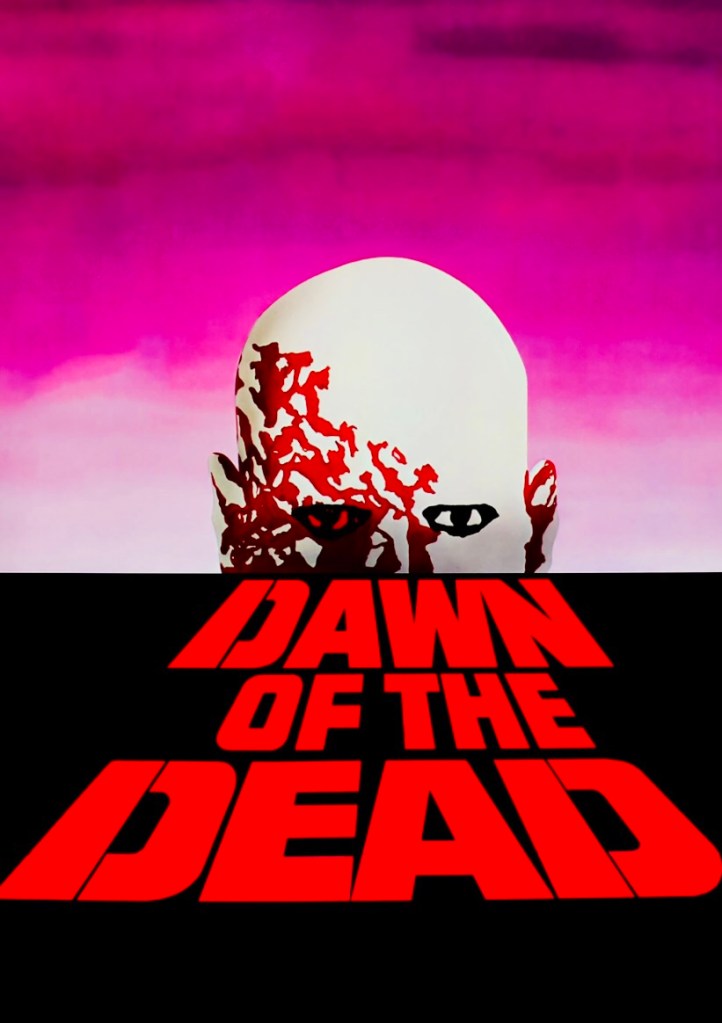
“When there’s no more room in Hell … the Dead will walk the Earth!”
George A. Romero all but created the sub-genre of Zombie-Horror with his seminal debut Night of the Living Dead in 1968 – and he would return to the genre a decade later with Dawn of the Dead. With his sequel, Romero would significantly ramp up the action as he moves the setting from a rural farmland into the city, and the movie immediately places the audience into the world of the already existing Zombie apocalypse. In the opening scene, a TV station is thrown into disarray during a live broadcast interview with an expert, who is explaining Zombie lore for the American nation. His exposition also explains what Zombies are, what they do, and how to kill them for the audience, and the scene is very much set.
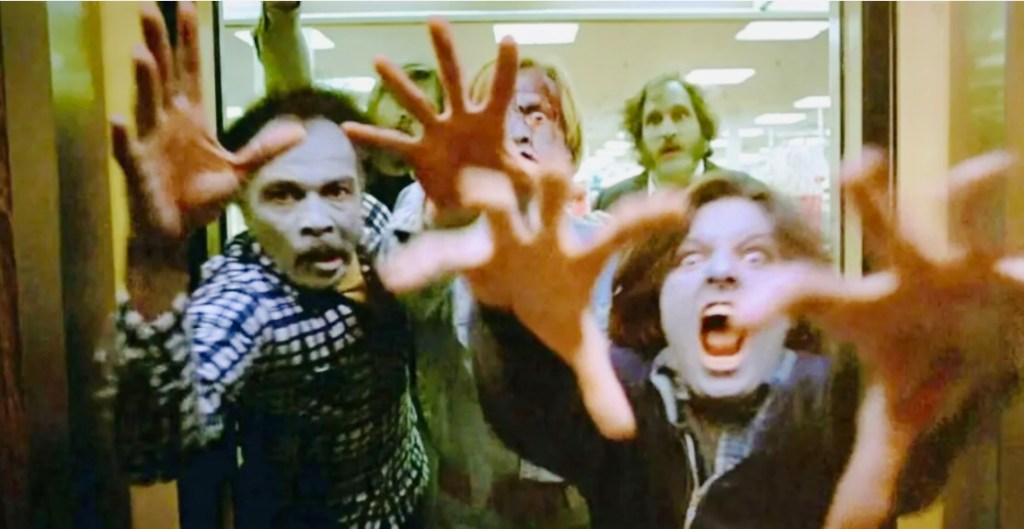
We meet our first Zombies just a few minutes into the action as a SWAT team storm an apartment block and are met head on with the reanimated dead, who’s sole existence now is to eat the living and multiply their numbers. In the opening action scene masterful practical make up FX from Tom Savini (Friday the 13th) provides a significant amount of gore for the era, as we see one Zombie chomp into the neck of his living wife, and a little later an ‘undead’ being scalped by a rotating helicopter blade. A nest of feeding Zombies are discovered in the apartment’s basement to highlight the enormity of the situation that both the characters and viewers find themselves in, and these opening scenes are shot at a frenetic pace which perfectly sets the tone.

The movie quickly establishes distrust between different factions of survivors when they encounter each other evacuating the over-run city, and there is also a strong element of dark humour portrayed within the script, which Romero worked on with another Horror-Master – Italian director Dario Argento (Susperia). We follow our group of antagonists as they leave town by helicopter, viewing the devastation and destruction of the apocalypse from the sky. Eventually running out of fuel and with no supplies, the gang head to a large shopping mall with the view of outsmarting the existing horde of inhabitants, and securing the building to create a safe base camp for them to ride out the storm. The setting offers a commentary on the growing consumerism of the USA, and provides an iconic setting for the bulk of what is probably the best known Zombie flick of all time. KZ
10. // The Texas Chainsaw Massacre (1974)
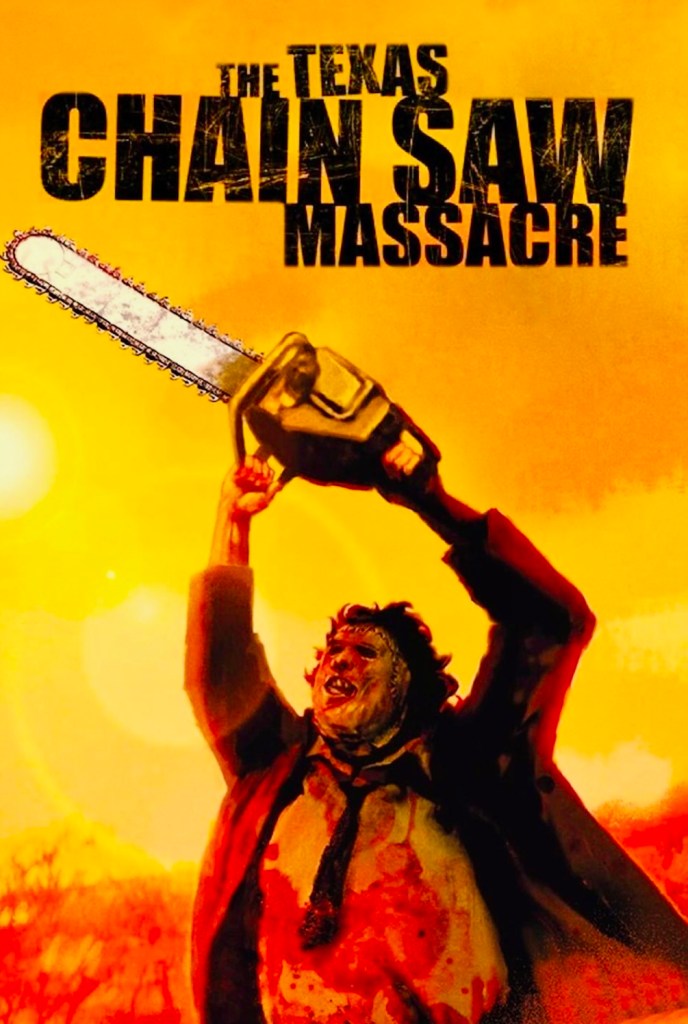
‘The film you are about to see is an account of the tragedy which befell a group of five youths … for them an idyllic summer afternoon drive became a nightmare!’
And so begins The Texas Chainsaw Massacre, a horrifying movie written and directed by Tobe Hooper (Poltergeist) which is famous for taking cinema into a dark and sinister place, with a Grindhouse style which blends disturbing imagery with a disturbing score. A group of young friends including Sally and her disabled brother Franklin, travel by camper van to a small Texas town which has been rocked by recent grave desecrations – in order to visit the home of their late grandfather. They pass a cattle slaughterhouse and then pick up a mysterious and incredibly odd acting hitchhiker, who ends up brandishing a knife and turning on the friends – although they are able to get him out of their vehicle before he is able to kill any of them.
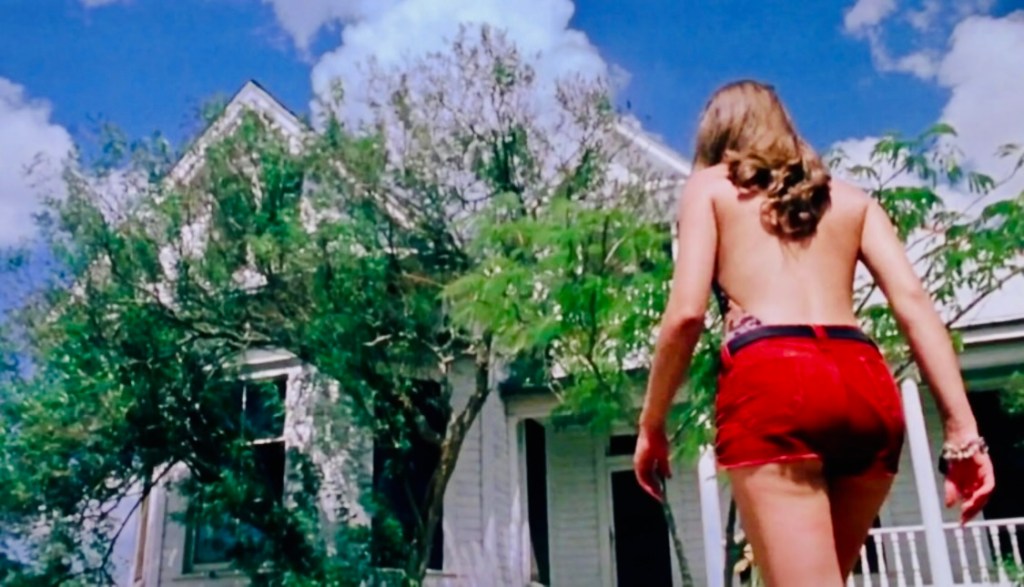
These opening scenes are all deeply troubling in the way they are presented to the audience, and are an uncomfortable watch. But this is only a sign of what is to come, and the tone that Hooper sets only gets grimier as the film progresses. The Texas Chainsaw Massacre was a landmark in ‘Hixploitation’ – with its small town setting full of backward characters, all posing a danger for the protagonists to overcome. As they explore their grandfathers decrepit old house, Franklin discovers an ominous ancient rune hanging inside, and when two of the party (Kirk and Pam) head to the house next door in search of gas, they discover it is the home of a family of murderous cannibals. They soon meet the now infamous killing machine Leatherface (Gunnar Hanson) – who butchers Kirk after skulling him with a hammer, before impaling Pam on a hanging meat hook.
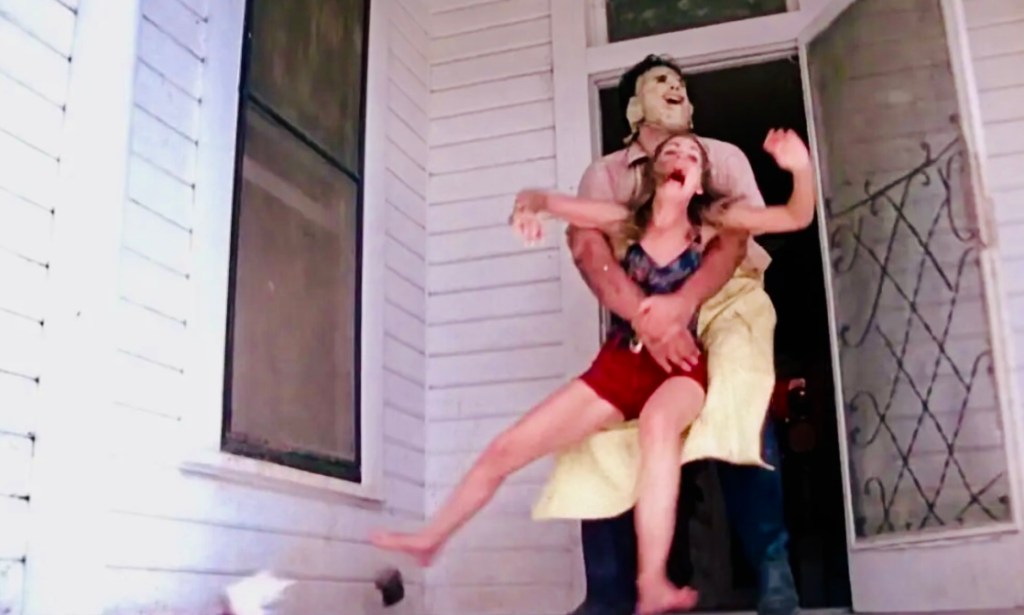
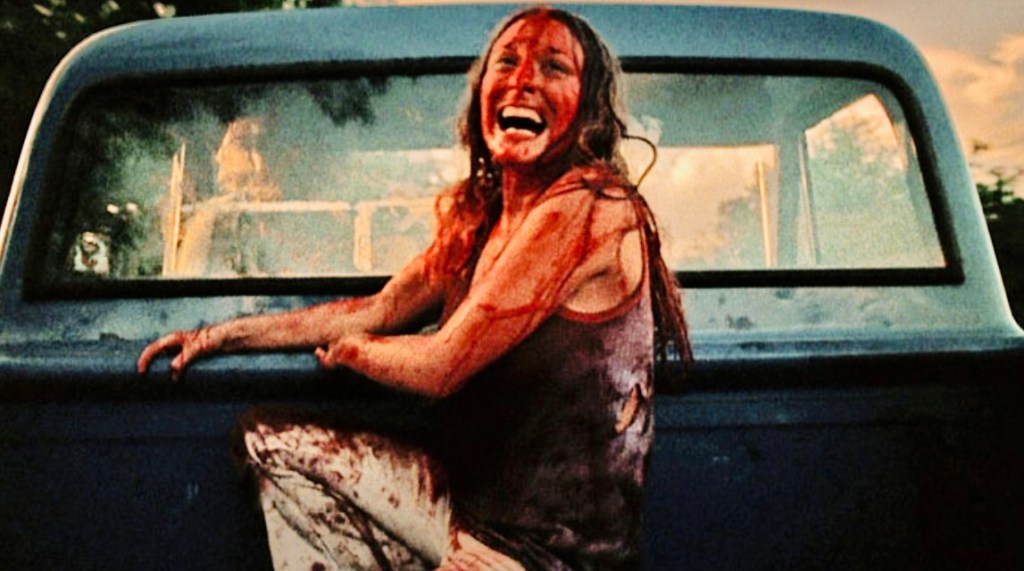
This happens after she discovers a living room full of bones and teeth – a cesspit of death where her revulsion is equally felt by the audience, with the true horror of the film felt within the imagery and tone. As the sun goes down, Gerry searches for the missing friends in the house, finding Pam stuffed in a freezer before being swiftly taken out by Leatherface’s hammer. Night then falls, leaving just Sally and Franklin left to approach the house in search of their friends. Franklin is swiftly murdered by Leatherface, leaving Sally as the titular ‘final girl’ who is kidnapped and psychologically tortured by the killer and his deranged family. She joins them for a bizarre dinner table scene, before finding the strength to make her escape – chased by the masked assailant, who is finally left dancing with his chainsaw as the sun rises – and Sally is driven away to safety in the back of a passing pick up truck. KZ
Words by Mark Bates
https://amzn.eu/d/b5TAnqi
 kult-zilla.com
Leave a comment