


https://amzn.eu/d/b5TAnqi
1990 : // Misery

By the time the 90s arrived Stephen King was absolutely huge in both the literary and movie worlds, with his books selling by the millions, and film adaptations throughout the 80s such as The Shining (1980) Christine (1982) The Dead Zone (1982) and Stand By Me (1986) – all proving hits in the cinema. But the following decade would see the profile of filmed versions of his stories reach new heights, starting with the adaptation of his 1987 novel Misery – directed by Rob Reiner (When Harry Met Sally). Misery both in printed form and on screen is among King’s most celebrated works, and Reiner created an absolute classic thriller of suspense, with some truly iconic scenes as well as two world class performances from its lead actors.

James Caan (The Godfather) plays celebrated writer Paul Sheldon, an author who has made a living writing a series of Victorian romance novels set around the character – Misery Chastain. But he longs to move on from the creative ball and chain, and kills the character off in her final novel, before writing his real passion project – a gritty crime thriller. As Paul drives with his completed manuscript through a snow blizzard, he suffers a horrific car crash, and wakes up in the home of nurse Annie Wilkes (Kathy Bates – Dolores Claiborne) who rescues him from his vehicle. She also happens to be his number one fan! Annie claims she will nurse him back to health and transport him to the nearest hospital as soon as she is able, however they are currently snowed in with no working phone lines.
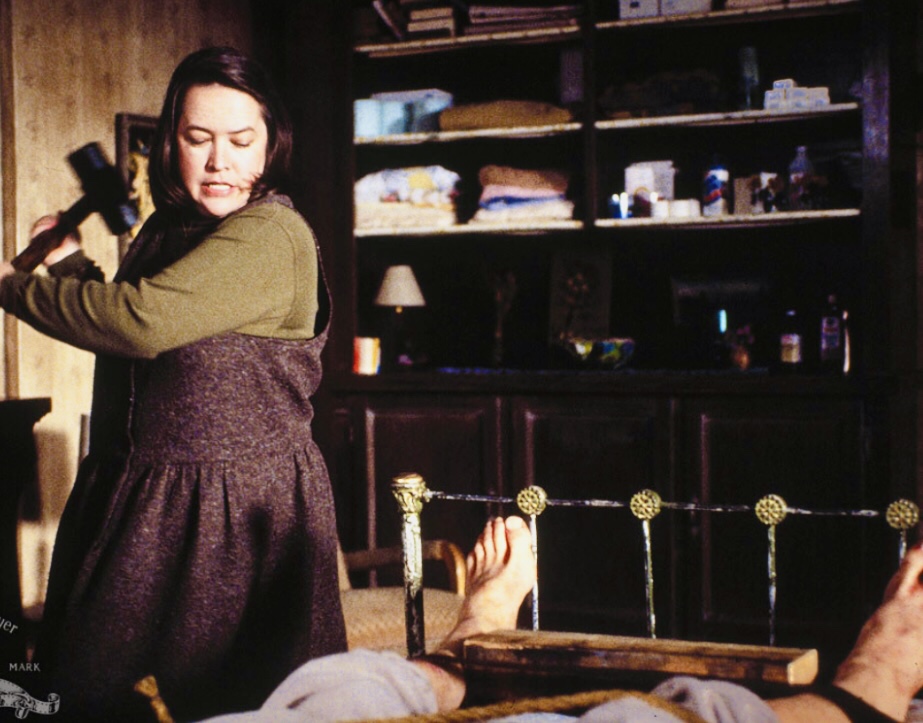
It soon transpires of course that Annie may not have Paul’s best interests at heart after all, and that she plans on keeping her favourite writer all to herself. Bates would rightly win the Best Actress for her chilling portrayal of the demented nurse, while Caan also shines in his subdued protrayal of the injured and trapped writer – desperate to make contact with the outside world and escape his captor. Richard Farnsworth (The Straight Story) also puts in a solid supporting performance as Buster, the small town sheriff tasked by Sheldon’s agent to search for the missing author. There is a real vintage feel to the film with thoroughly engaging psychological suspense throughout, and with a disturbing sense of claustrophobia in the vein of Hitchcock’s Rear Window (1954) or Robert Aldrich’s What Ever Happened To Baby Jane (1962).
1991 : // Silence Of The Lambs
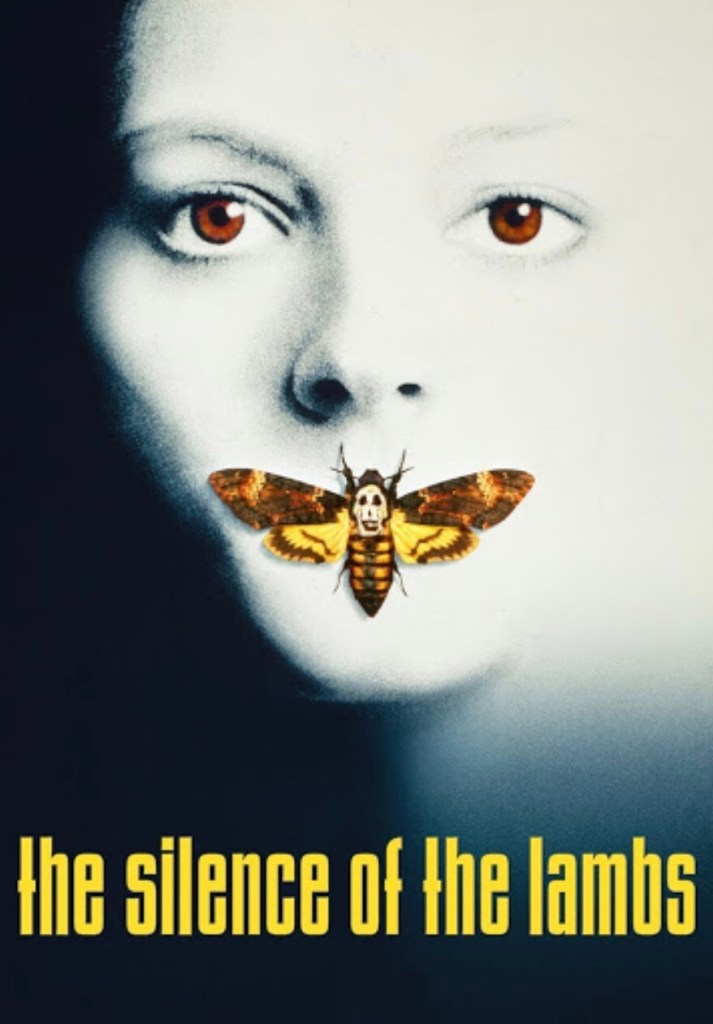
The Silence Of The Lambs is the multiple Oscar winning psychological-thriller, which was based on the chilling 1988 novel by Thomas Harris. The book was the follow up to his 1981 novel Red Dragon, and the second story to feature one of the iconic antagonists in Horror – Dr Hannibal ‘The Cannibal’ Lector. This would be the second movie adaptation of Harris’s work following Michael Mann’s Manhunter (1986), which was based on Red Dragon but with a title change enforced by producer Dino De Laurentes, so as not to confuse it with one of the many martial arts films which were popular at the time. In Manhunter, Lector was played by Brian Cox (The Autopsy Of Jane Doe) – but in The Silence Of The Lambs the role would be taken on Sir Anthony Hopkins (Hitchcock / The Father).

Hopkins would end up delivering his career defining role, a performance so exquisitely delivered that he would create one of the most recognisable villains in Horror – a perfect award winning performance. Jodie Foster (Taxi Driver) co-stars as young FBI student Clarice Starling, plucked from the academy at Quantico by the head of the Behavioural Science Unit Jack Crawford (Scott Glen – The Hunt For Red October) – in order to interview and profile the incarcerated Dr Lector. The hope being that Lector will warm to Starling, and offer an insight into helping them capture ‘Buffalo Bill’ (Ted Levine – Heat) – a vicious serial-killer who is murdering and skinning female victims in West Virginia.
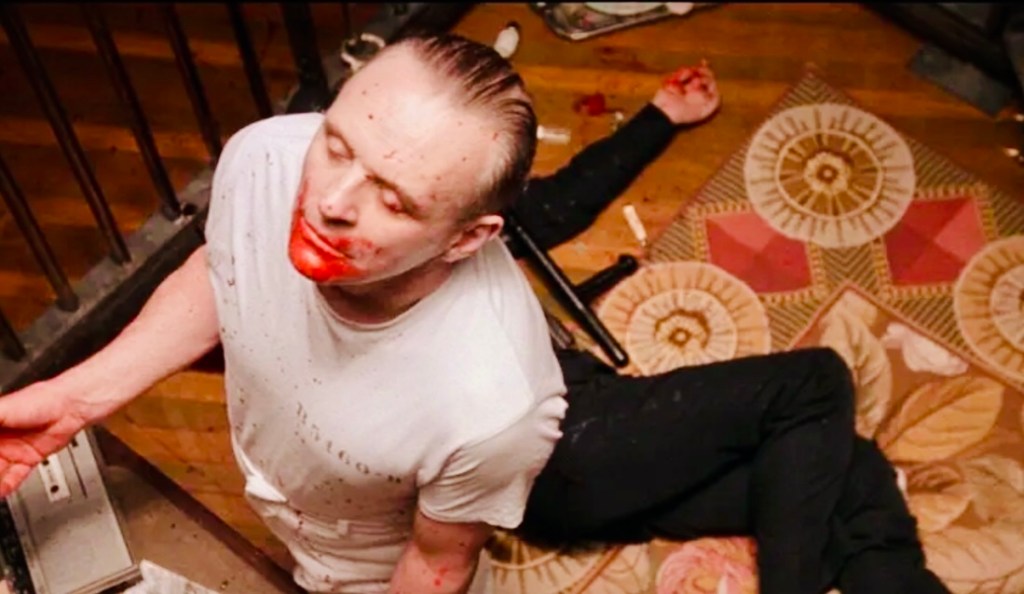
The story masterfully follows Starling and Crawford’s investigation into the murders, as they look to unearth and bring the sadistic killer to justice. While it also focuses on the blossoming psychological relationship between Starling and Lector, as she continues to visit him in the asylum in order to gain any information he may provide to help them in the case. Levine’s performance as the psychotic Buffalo Bill is also highly memorable, while director Jonathan Demme (Philadelphia) creates a thoroughly captivating dark tone throughout. Providing some horrific scenes, but at the same time a truly mesmerising and engaging narrative. KZ
1992 : // Candyman

Candyman is a wonderfully eerie supernatural Horror, which introduced a new cultural and iconic movie villain to rival the likes of Freddy Krueger, Jason Vorhees and Michael Myers. And it may just be one of the best, gory Horrors of the entire decade. Directed by Bernard Rose (Paperhouse) – Candyman is based on the Clive Barker short-story The Forbidden (taken from his legendary Books Of Blood) – and is probably the notorious writer / producer’s best known property after Hellraiser. And this is for good reason, as Candyman is a captivating movie based around the simple premise of an urban legend. A classic camp-fire ghost story of a murderous demon, who pays a visit to anyone who dares say his name five times into a mirror – gutting them with the rusty hook he has in place of a severed hand.
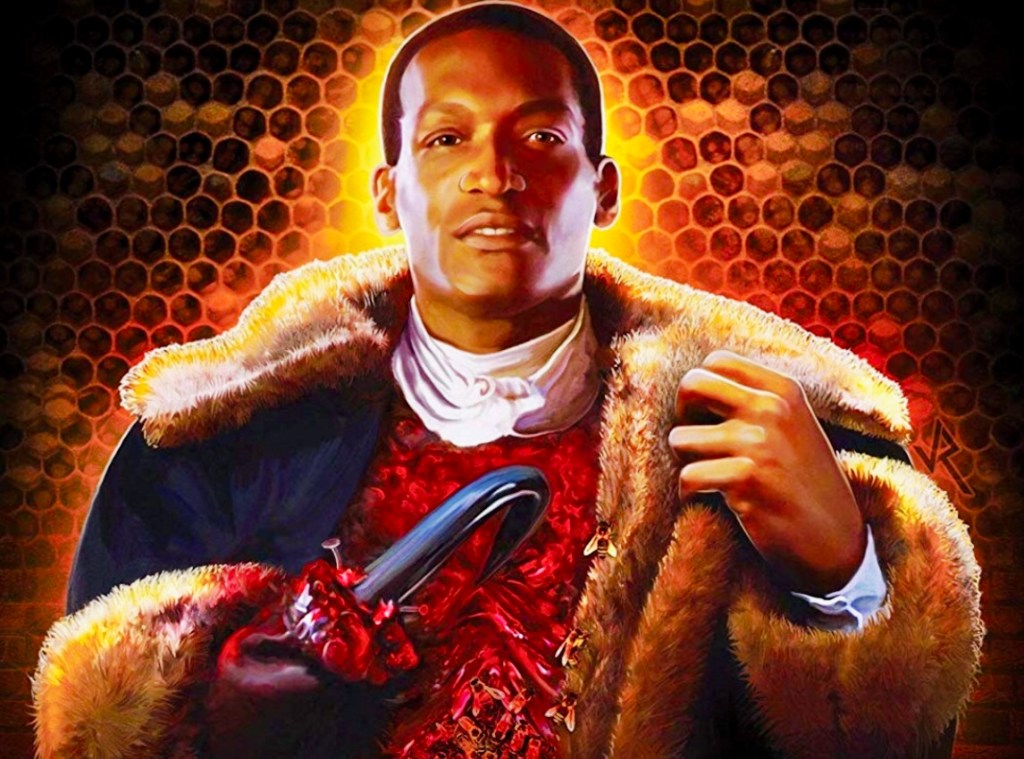
The script and pacing of the film is perfectly executed, with the rich gothic folk-lore of The Candyman (hauntingly portrayed by Tony Todd – The Rock) providing a chilling and highly memorable back-story for the character. Virginia Madsen (The Prophecy) stars as Helen Lyle, a Chicago graduate student writing a thesis on urban legends. She investigates the mysterious story of The Candyman, and his feared links to a number of murders in a rundown and gang ridden housing project. Barker was in his movie making prime at the time he produced Candyman, and was following the success of Hellraiser (1987) and its sequel Hellbound (1988) – having also just directed his Horror-Fantasy movie Nightbreed (1990), which was adapted from his own 1988 novella Cabal.
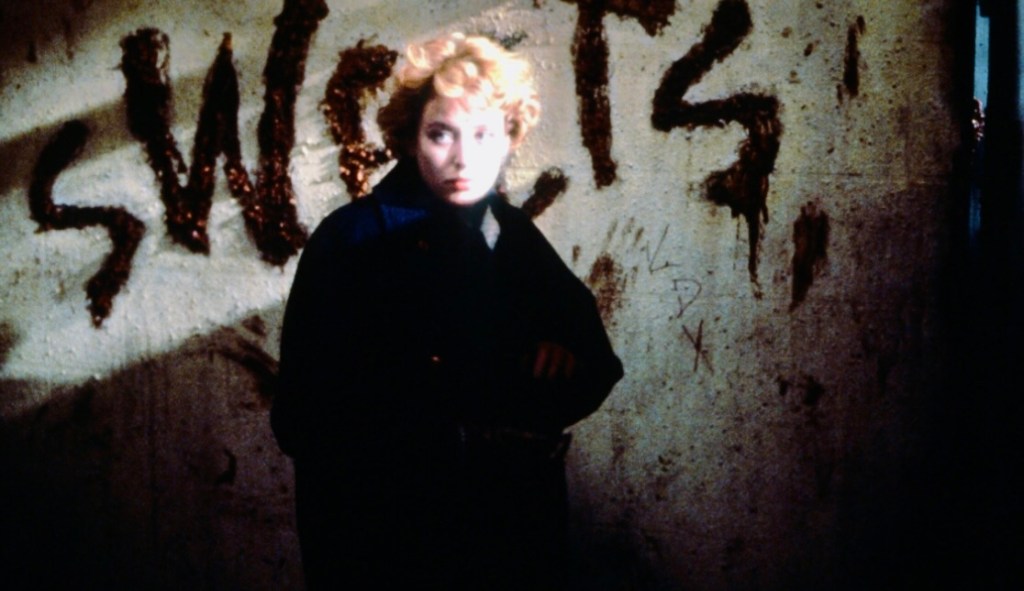
Candyman came to fruition after Bernard Rose expressed his interest in adapting The Forbidden, with Barker agreeing to sell the rights while coming onboard as an executive producer. Rose wrote the screenplay for Candyman, moving the story from Barker’s native Liverpool to the Chicago suburbs, while enhancing the source material into this chilling new narrative. As Helen travels deeper into the rabbit hole of The Candyman mystery, her reality starts to blur with the fiction of the ghostly tale. And her sanity begins to unravel as she becomes connected with The Candyman in ways she never would have thought possible, in what is a must see Horror classic! KZ
1993 : // Cronos

Cronos had its worldwide release in 1993 with a premiere appearance at the Cannes Film Festival, and was the debut feature film from the now renowned visionary Mexican director – Guillermo Del Toro. The filmmaker is now a synonymous name in Gothic-Horror and Fantasy movie making, having created the likes of Hellboy (2004), Pan’s Labyrinth (2006) and Crimson Peak (2015). And in Cronos, the unmistakable Del Toro style and tone is clear to see. The film stars Argentinian actor Federico Luppi (The Devil’s Backbone) as Jesus Gris, the proprietor of an antiques store who unwittingly becomes the beholder of a strange and mysterious artefact, when it turns up at his store hidden in a statue.

The Cronos device is a golden amulet which acts as a key to eternal life, created by a master alchemist in 1536 who would end up living for 400 years before being killed in a building collapse, after being pierced through the heart by shrapnel. The alchemist’s mansion is later searched by the authorities, where a body is discovered hanging and drained of its blood. De La Guardia (Claudio Brook – Licence to Kill) plays a terminally ill man, who after acquiring the alchemist’s journal begins searching for the Cronos device. He becomes alerted to the discovery of the statue in Jesus’s antiques store, and sends his thuggish nephew Angel (Ron Perlman – Hellboy) to purchase the statue. But not before Jesus himself has already discovered the amulet and removed it.
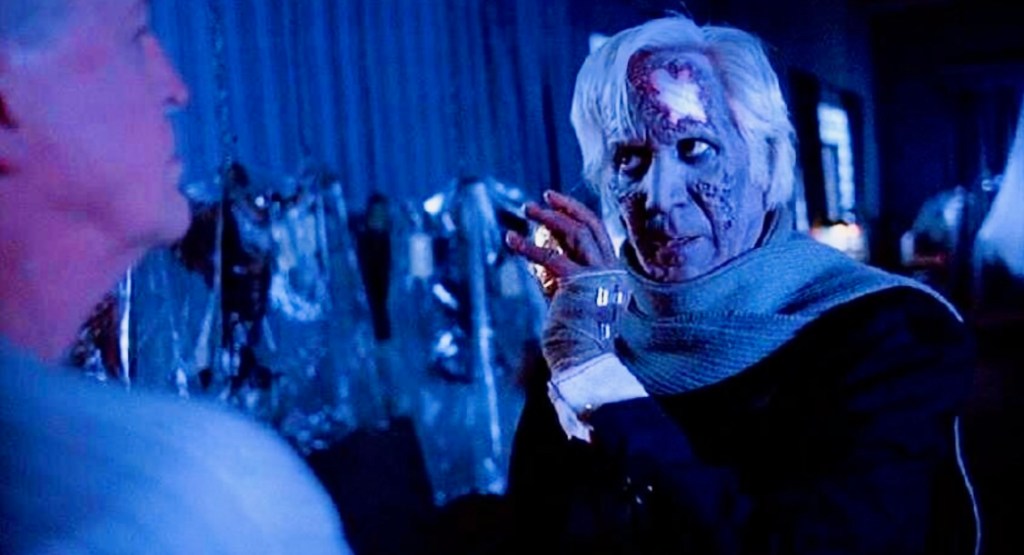
Jesus tinkers with his find and is shocked to discover that it’s spider-like legs attach themselves to his hand, digging into his skin like a claw and causing a bloody wound. Jesus then begins to experience a change within him, as starts to feel younger. Unable to sleep that night he plays with the Cronos device once again, allowing it to attach itself to his body, and giving in to whatever the consequences may be. The next morning he discovers his shop has been ransacked by Angel after having discovered the Cronos device missing from the statue he purchased, and Jesus visits him and his uncle where he learns the true power of the device. After seemingly being killed by Angel, Jesus finds himself resurrected, afflicted with immortality, and an aversion to sunlight – in what is a masterfully crafted, yet subtle Horror from Del Toro. KZ
1994 : // Wes Craven’s New Nightmare
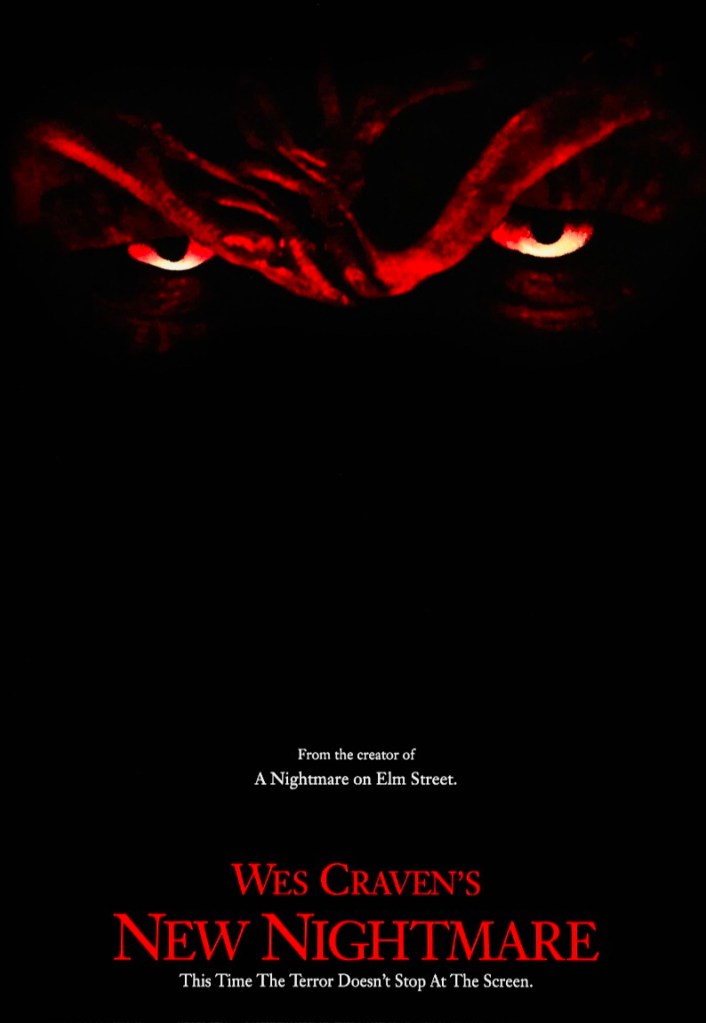
With A Nightmare on Elm Street in 1984 – writer and director Wes Craven shook up the slasher genre by creating a masterpiece in originality, and one of the icons of terror in the razor fingered child murdering stalker of dreams – Freddy Krueger (Robert Englund). But after signing away the rights to the franchise and falling out with producers New Line Cinema, his involvement in the proceeding five sequels amounted only to writing an early draft for Dream Warriors (Part 3 – 1987). While he watched on as the series he created became financial successful and a major part of popular culture at the time, while also observing as the quality of the films rapidly decline – with the character of Freddy becoming a parody of his former self.
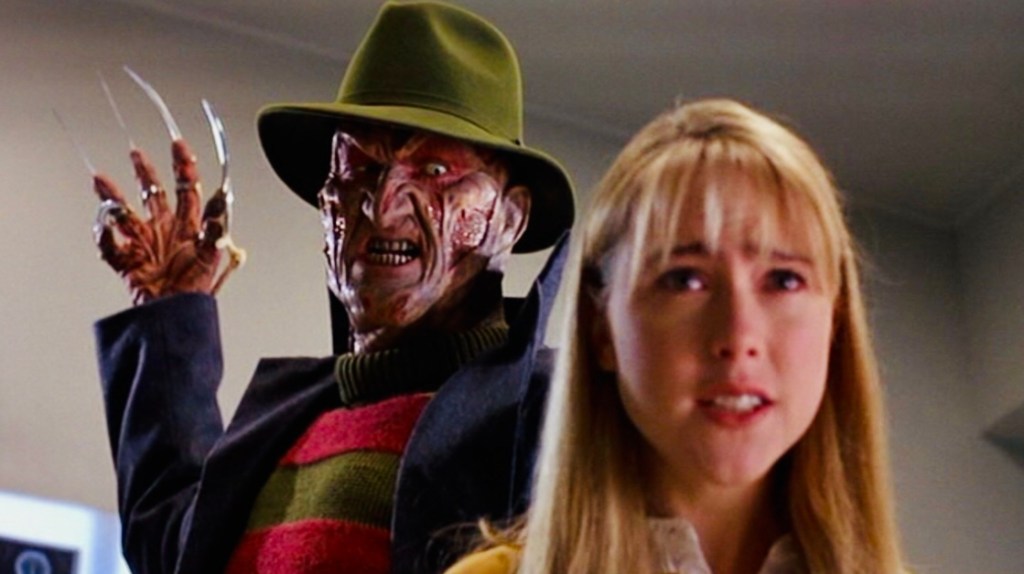
However when the series hit rock bottom with Freddy’s Dead: The Final Nightmare (1991) – New Line would once again turn to Craven and ask him to come on board to create one last hurrah for the character. Laying the original run of films to rest, while also handing him complete creative control. And what Craven would produce with his thoroughly original and progressive premise on New Nightmare, would prove to be one of the stand out movies in the franchise. Often described as the pioneering film in meta Horror story telling, New Nightmare moves the narrative into the ‘real world’ – with actress Heather Langenkamp (Nancy Thompson in parts 1 and 3) playing ‘herself’ in this Hollywood set movie.

Heather lives with her F/X artist husband Chase and their young son Dylan (Milo Hughes – Pet Sematary), and begins to become disturbed by her past involvement in the Nightmare films, as she is harassed by prank phone calls from someone seemingly pretending to Freddy. Strange links to the movies and the fictional killer start to infect her life, while Dylan also starts to become haunted by the spirit of Freddy. Heather is approached by New Line executives and asked to come back to make one more Nightmare movie that Wes Craven (who also plays himself) is writing. But the art begins to imitate life, and the lines of fiction and reality begin to blur for all involved in the film – with murderous consequences and a captivating mystery. KZ
1995 : // Seven

A detective-noir thriller which follows the investigation of a horrific serial killer, who bases each of his murders on one of the seven deadly sins of Christianity – while leaving a calling card and clues at each scene for the police to discover. Seven was directed by David Fincher (Fight Club / Zodiac) in what is his darkest movie to date, opening as two Police detectives – Somerset (Morgan Freeman – The Shawshank Redemption) and Mills (Brad Pitt – Twelve Monkeys) – meet on a crime scene. Somerset is working his final case before retiring, and Mills is the newly promoted and hungry young investigator that has been assigned to shadow Somerset as his new partner.
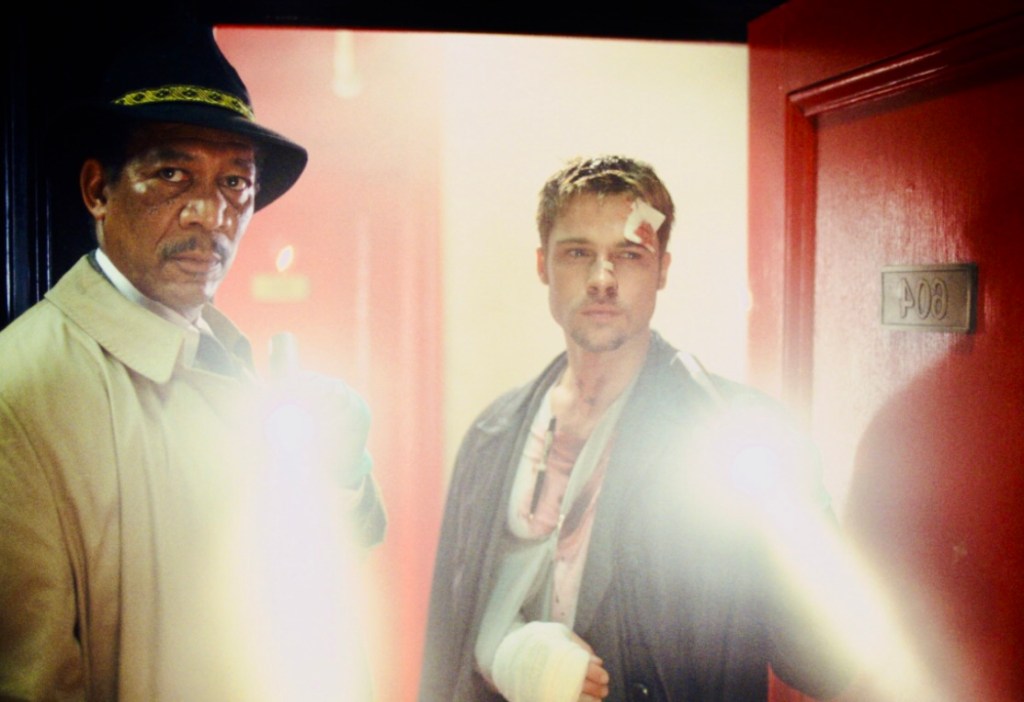
Fincher perfectly captures the tone of the film during the opening credit sequence, as we see the murderer at work creating pieces of his puzzle of clues, while a Nine Inch Nails score plays menacingly in the background. Seven is a dark and bleak thriller, which would clearly inspire a wide range of movies from James Wan’s Saw (2004) to Matt Reeve’s The Batman (2022) – as well as the first season of HBO’s True Detective (2014). The graphic nature of the murders depicted in the film draw similarities with the likes of Silence of the Lambs (1991), and the narrative provides an intriguing mystery with a fine emphasis on the relationship between the two main characters.
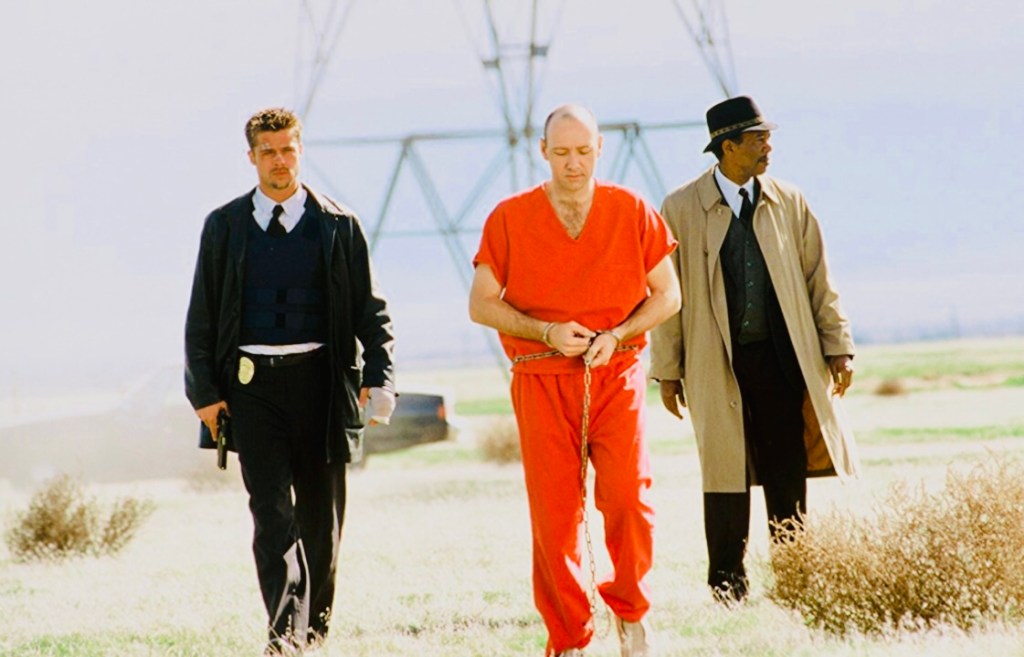
In what is a solid supporting cast, Gwyneth Paltrow (Iron Man) plays Tracy – the wife of Mills who helps bring the two detectives together. And Kevin Spacey (The Usual Suspects) plays John Doe – the killer who ultimately hands himself in, in order to facilitate the climax of his ‘master-plan.’ Seven is unquestionably one of the iconic crime-thrillers from the mid 90s, but it’s credentials as a Horror flick have always been somewhat underrated. As it features a number of memorable and grotesque sequences, which despite always only showing the aftermath of the crime scene – provides some terrifying imagery and gruesome Body-Horror created by Rob Bottin (The Thing / Robocop). As well as an utterly bleak ending for all of the main characters. KZ
1996 : // Scream
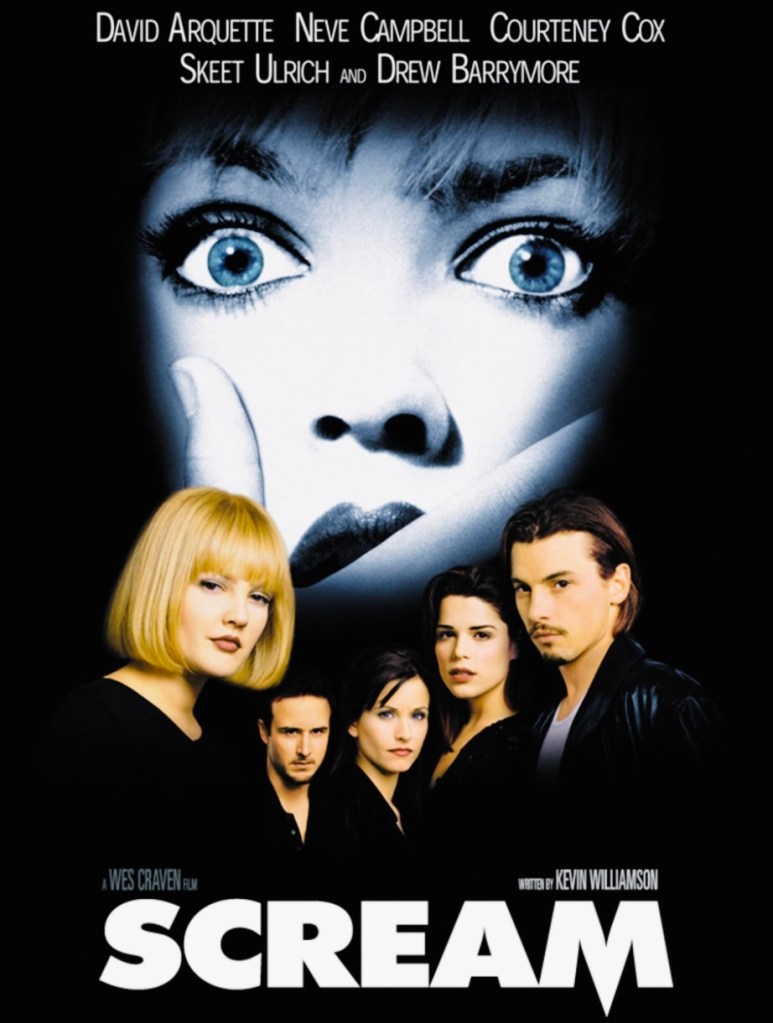
Not content with creating the Horror movie that would epitomise the Slasher sub-genre in the 80s with A Nightmare On Elm Street (1984) – Wes Craven would do it again in the following decade with Scream. And as with Nightmare, the success of Scream would go on to spawn a franchise that would provide a number of sequels over the proceeding decades. Scream would be notable for continuing the meta element of story telling that Craven had first explored with his New Nightmare (1994) – as well as providing a new iconic killer in Ghostface, who would become a recognisable figure in Horror pop-culture.

Written by Kevin Williamson (The Faculty) – Scream also provides one of the most chilling and suspenseful openings of virtually any Horror flick, as Casey (Drew Barrymore – Poison Ivy) answers the phone while alone in her parents sprawling house one evening. Seemingly a harmless wrong number at first, the caller tries to keep her on the line, ringing back anytime she hangs up. And although he may seem like he is friendly, almost flirting with her at first – the conversation soon turns sinister as the unknown caller plays a game of cat and mouse. Terrifying Casey and building suspense for the audience, as the scene tumbles towards a bloody and murderous climax.
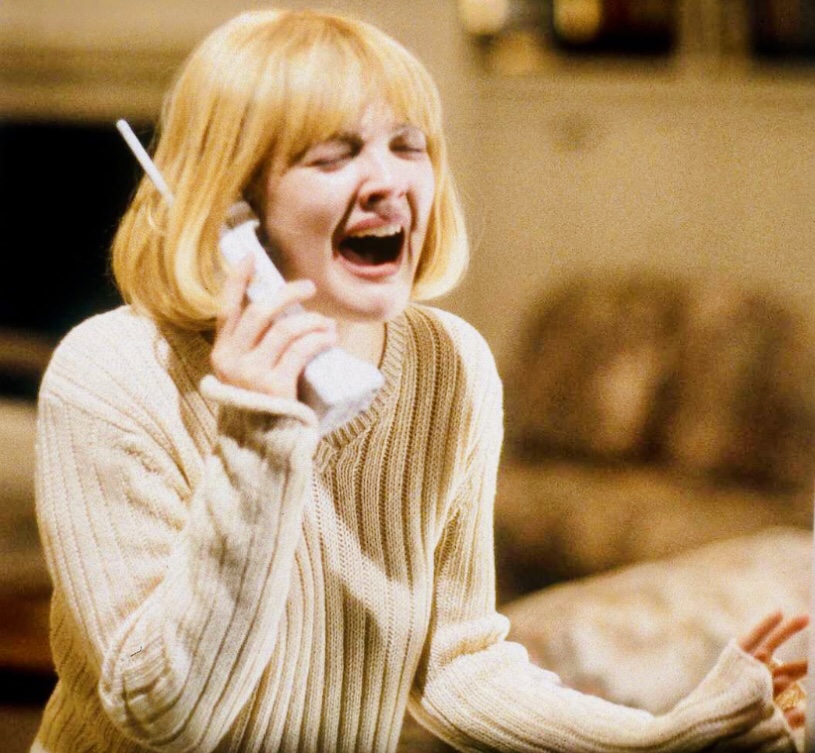
Scream then tells the story of a gang of high school teenagers, living in a community rocked by the killings in the opening scene, as they try to piece together the clues to unveil the true identity of Ghostface – the masked assassin. The movie features an abundance of Horror clichés and Slasher tropes, but it does so knowingly – paying homage to the likes of Halloween (1978) and Friday the 13th (1980) – while also telling a new story which holds up on its own. Scream provides plenty of gory kills, a narrative full of twists and turns, and a young cast including the likes of the heroic new final girl for the 90s generation – Sidney Prescott (Neve Campbell – Wild Things) – and quite rightly became a classic in its own right. KZ
1997 : // I Know What You Did Last Summer
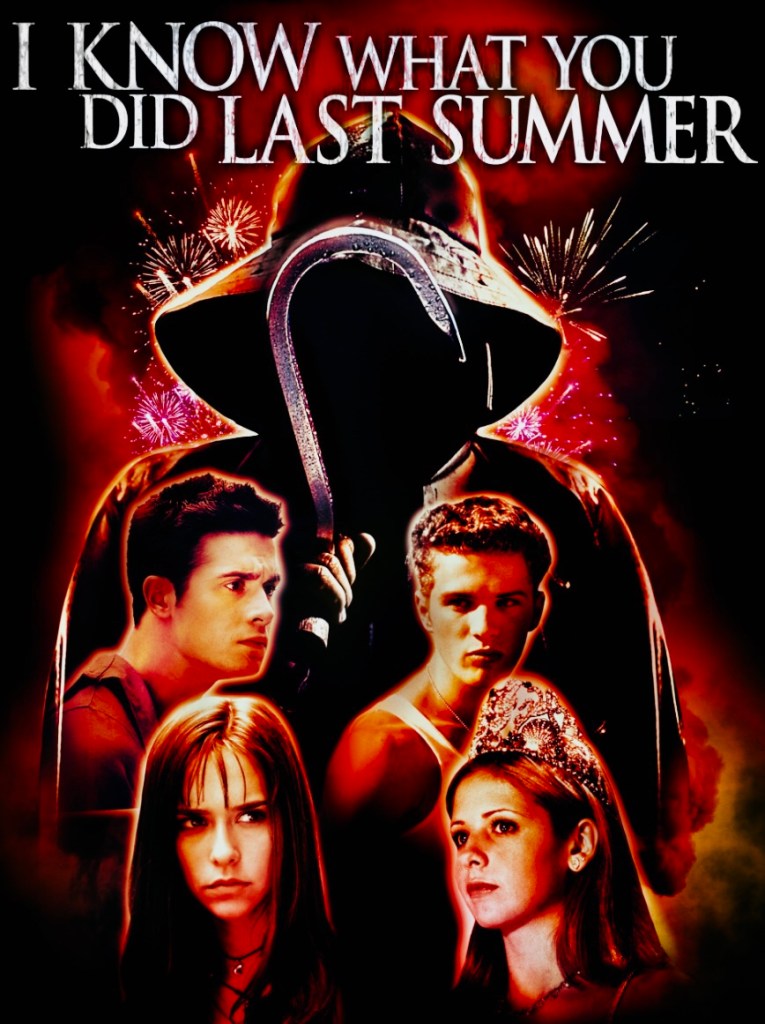
Before the release of Scream, writer Kevin Williamson had created a screenplay based on the 1973 novel I Know What You Did Last Summer. And following the success of the Wes Craven directed movie, which reinvigorated interest in the Slasher genre, Williamson’s script was picked up to be the next big release in Horror the following year. The idea was for the movie to follow the wining formula of Scream, first of all by casting a series of hip young 90s actors including Jennifer Love Hewitt (Heartbreakers), Sarah Michelle Geller (Cruel Intentions), Ryan Phillippe (The Way Of The Gun) and Freddie Prince Jr. (Scooby Doo) – while leaning heavily into paying tribute to the classic Slasher tropes from the 70s and 80s.

Set on the 4th July and creating a holiday slasher vibe that we see time and time again, the movie sets the scene as a group of four young friends spend the night on a beach following a July 4th beauty pageant – that Helen (Gellar) has won. In homage to John Carpenter’s The Fog (1980) the four sit around a campfire and tell an eerie story about an escaped psychopath with a hook for a hand. In the early hours of the morning the mostly drunk friends drive home, but end up hitting a man – seemingly killing him instantly. His face is a bloody mess and they cannot ID him, but rather than calling the authorities and potentially ruining their lives, the friends decide to dump his body in the ocean and never speak of the incident again.

A year later Julie (Hewitt) returns home for the summer following her first year away at college, and on her first night receives an anonymous letter proclaiming – I Know What You Did Last Summer! She has been haunted by the night of the accident and the guilt of what they did, and she reconnects with her estranged friends to discuss the mysterious note. It’s from here that the killings begin and the friends are stalked by a masked killer who uses a fishing hook for a weapon, mimicking their earlier campfire tale with each of them also receiving similar sinister notes. This is ultimately a fun slasher-mystery movie, directed by Jim Gillespie (D-Tox) who keeps the tone a little more serious and darker than Craven did with Scream. While also keeping any gore to a minimum, in order to maintain a strong appeal for a wider lucrative market. KZ
1998 : // Ring

Ring is one of the movies synonymous with Japanese Horror … and for good reason. Another film that superbly plays on the urban legend trope, by way of a posessed video tape that if watched, will bring death to the viewer within one week. The nail in the coffin comes after the viewer has finished watching the tape, and they receive a mysterious phone call confirming the affliction of the curse. Ring was directed by Hideo Nakata (Dark Water) and drops right into the thick of the story, opening with two female teenagers discussing the videotape. One admits that she has already watched the recording with a group of friends a week prior, and did indeed receive a phone call after.
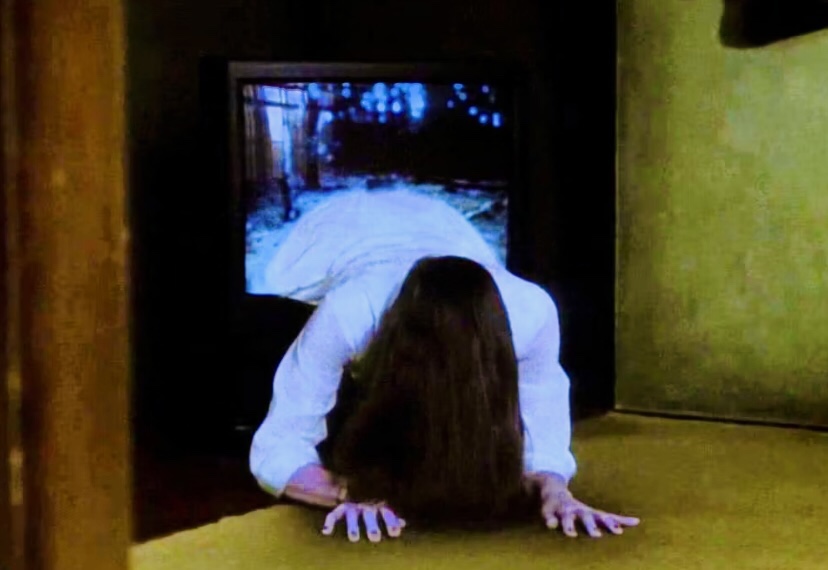
In this opening sequence the film masterfully provides tension within the suspense of any impending doom for the character, with a couple of red herring jumps prior to her being set upon by an unseen force. The film then introduces news reporter Reiko (Nanako Matsushima) who is the aunt of the murdered girl, as she investigates the legend linked with the death of her niece. She soon discovers that all of the friends who watched the video together mysteriously died. During her investigation Reiko herself comes across a copy of the fabled tape, and cannot stop her curiosity from watching the strange and somewhat deranged short abstract film. For her, the countdown then begins with a telephone call, and she has a week in order to decipher a way in which she may break the curse.

The success of Ring in the Asian market would spawn not only a sequel, but also an American remake directed by Gore Verbinski – The Ring (2002) – which starred Naomi Watts (Mullholland Drive) and brought the story to a whole new audience, with the legend firmly becoming a part of Horror pop-culture. The terror within Ring is very much psychological, providing its thrills within the tension of the mystery, rather than providing the splatter and gore often associated with Japanese Horror. But it does provide a highly terrifying and unforgettable climax sequence, which leaves its mark on the viewer by sending a chill down your spine. KZ
1999 : // Sleepy Hollow
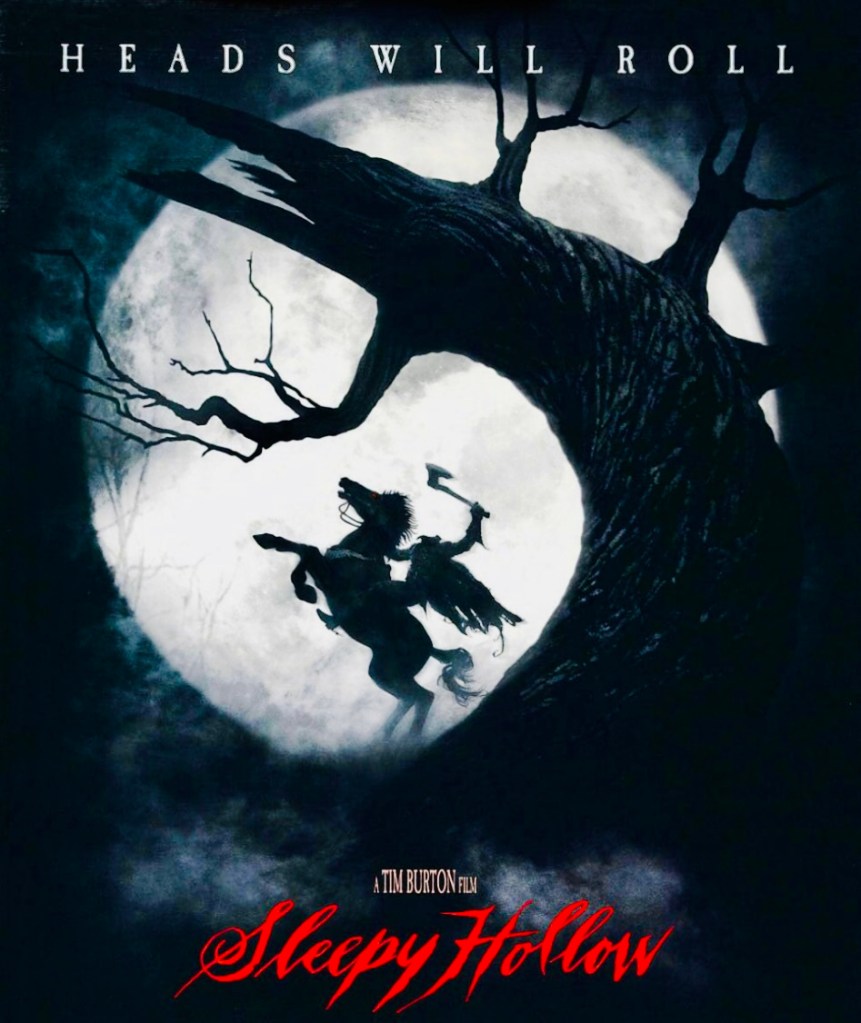
Sleepy Hollow is a gothic Fantasy-Horror, directed by the stylish Tim Burton (Beetlejuice / Batman Returns) and based on Washington Irving’s classic 1820 short-story – The Legend of Sleepy Hollow. Set in 1799, New Yorker Ichabod Crane (Johnny Depp – Edward Scissorhands) is a visionary Police Detective, a man of science, rhyme and reason who is sent to investigate the curious murderers of three men – who were all found decapitated in the small farming community of Sleepy Hollow. Ichabod is man with a mysterious past of his own, and travels to the town while playing the typical fish out of water when he arrives. Thoroughly sceptic and dismissive of the community’s belief that a supernatural force behind the murders he is investigating.
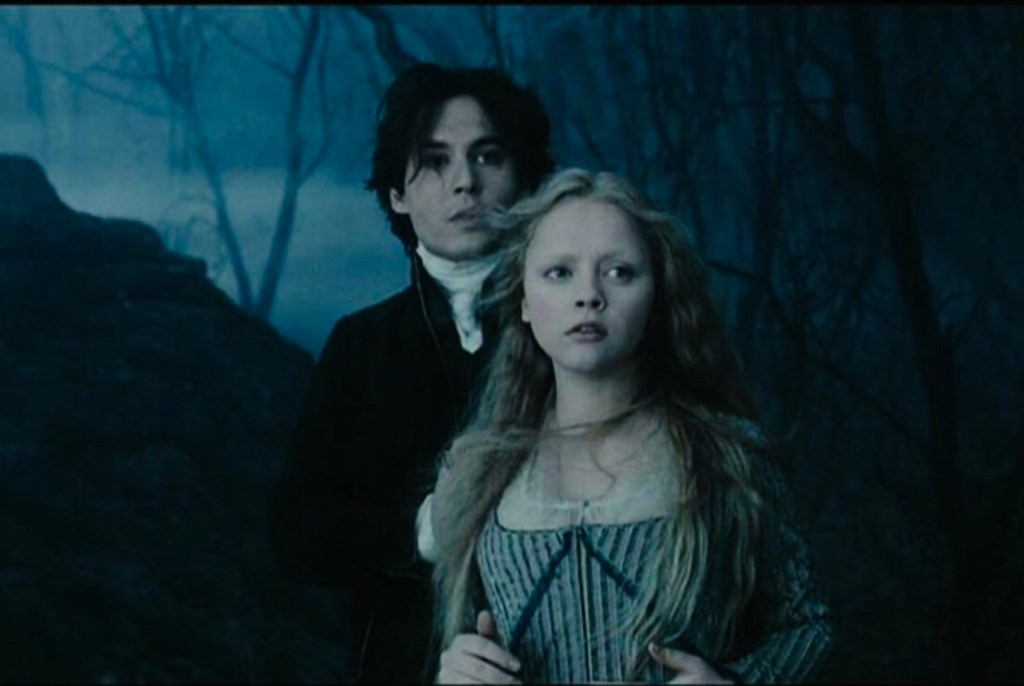
Ichabod meets and interrogates the townsfolk, and discovers a number of wealthy businessmen who speak of a ghostly Headless Horseman – while discovering that the severed heads of the murdered three have never been recovered. Ichabod learns the legend of the Hessian (Christopher Walken – The Deer Hunter) – a warrior with razor sharped teeth who himself was decapitated by soldiers with his own sword twenty years prior – and who has now been awakened and has begun cutting off heads wherever he finds them! The film shows us the back story of the Hessian with some intriguing action shots, and the movie overall is filmed with a gorgeous gothic tone by Burton.
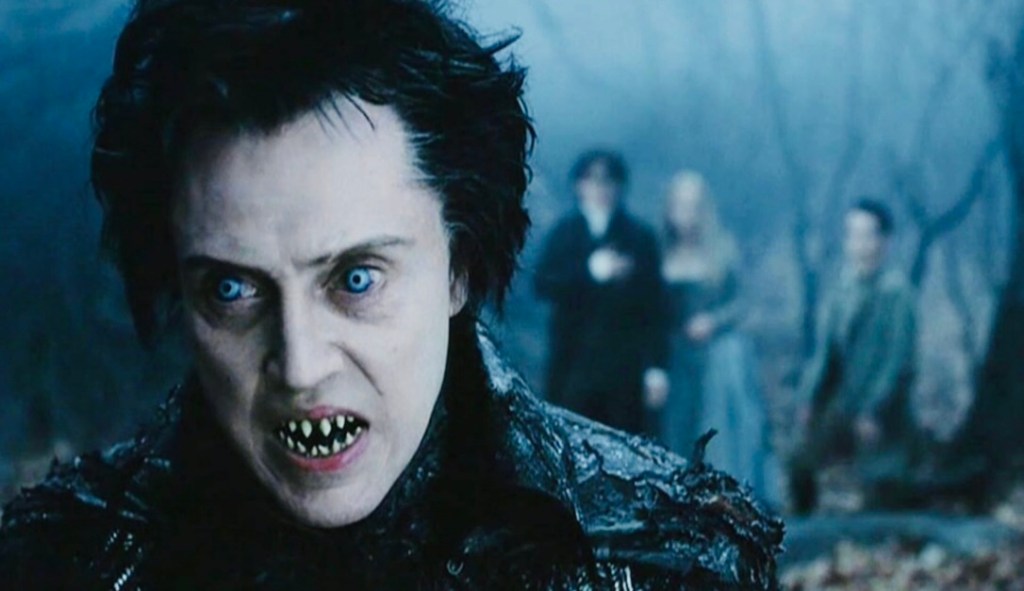
As Ichabod heads further down the rabbit hole of the mystery of the Headless Horseman, he discovers a conspiracy between the town’s main families, and secrets which have laid way to a number of horrific supernatural encounters – which are all beyond anything the man of science could have imagined. Ichabod is one of the great performances of Depp’s career, as he plays an awkwardly comic role, mixed with the straight man of his character to perfection. Sleepy Hollow is also one of the best movies of the 90s period, paying beautiful homage to the Hammer Horror films of the 60s and 70s – while also providing Burton’s own unmistakeable unique touch. KZ
Words by Mark Bates

https://amzn.eu/d/b5TAnqi
 kult-zilla.com
Leave a comment