
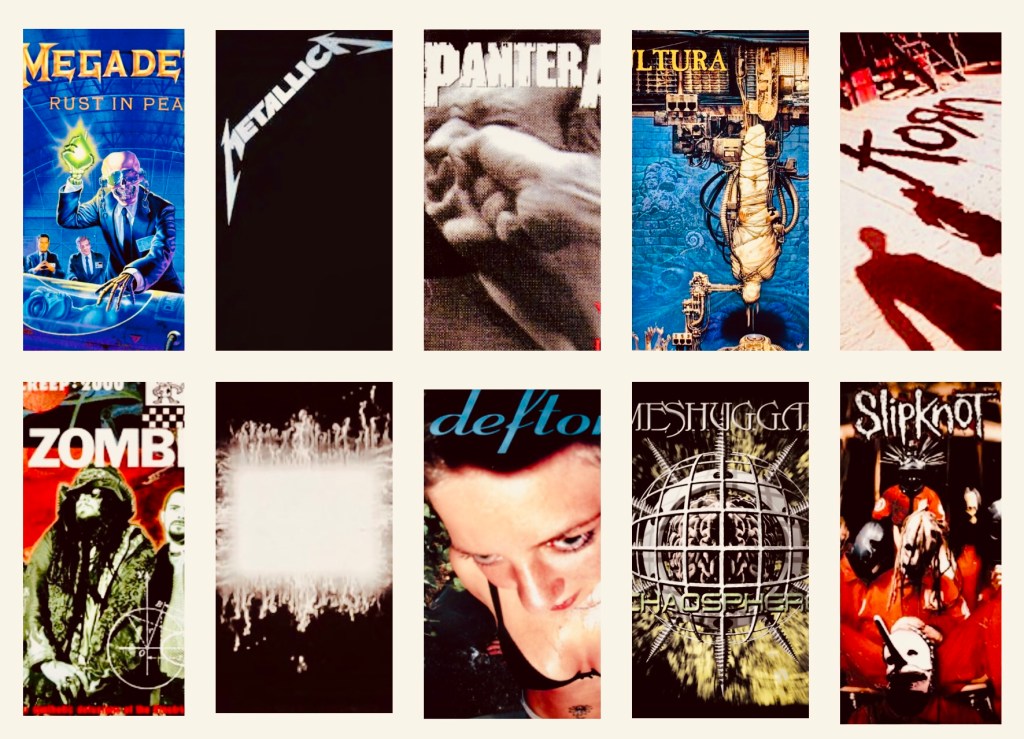
1990 : Megadeth – Rust In Peace

By 1990 Dave Mustaine and Megadeth were involved in a bitter rivalry for supremacy in the American Thrash-Metal scene with his former bandmates in Metallica, and although the commercial battle between the two giants of Metal would be left in no doubt the following year, Megadeth did manage to muster their masterpiece at the beginning of the new decade … Rust In Peace! In 1983 Dave Mustaine had been the lead guitarist in Metallica as they were riding the crest of a wave and about to hit the big time with the release of their debut LP Kill Em All.
But an increasingly out of control attitude fuelled by alcohol and drugs and finally a fist fight with frontman James Hetfield, saw Mustaine sacked while on tour in New York, and he found himself on a bus back to to the west coast with his tail between his legs. Mustaine licked his wounds and like a phoenix rising from the ashes formed Megadeth with bassist Dave Ellefson, releasing their own debut Killing Is My Business … And Business Is Good! in 1985, with Jazz-Fusion drummer Gar Samuelson and his former bandmate Chris Poland on lead guitar.

Keeping their sound in a purist Thrash style Megadeth created another two classic albums before Rust In Peace arrived with a new lineup, now considered THE vintage Megadeth lineup, which saw drummer Nick Menza and virtuoso guitarist Marty Friedman join the band. And the new lineup came together to create pure and unadulterated magic, on a record that is a timeless representation of the very finest Thrash, grabbing you from the opening bars of ‘Holy Wars … The Punishment Due.’
Mustaine’s distinctive vocal drawl was undoubtedly at its peak in 1990 and the consistency of the songwriting throughout Rust In Peace also screams of a band at the pinicle of its collective creativity. The extraordinary lead guitar work of Friedman is sumptuously delivered throughout, entwining perfectly with the the vocals and rhythms. This might just be the perfect Heavy Metal record featuring one classic song after another such as ‘Hanger 18’ and ‘Tornado Of Souls,’ which are just about the finest in Megadeth’s prestigious career.
1991 : Metallica – Black
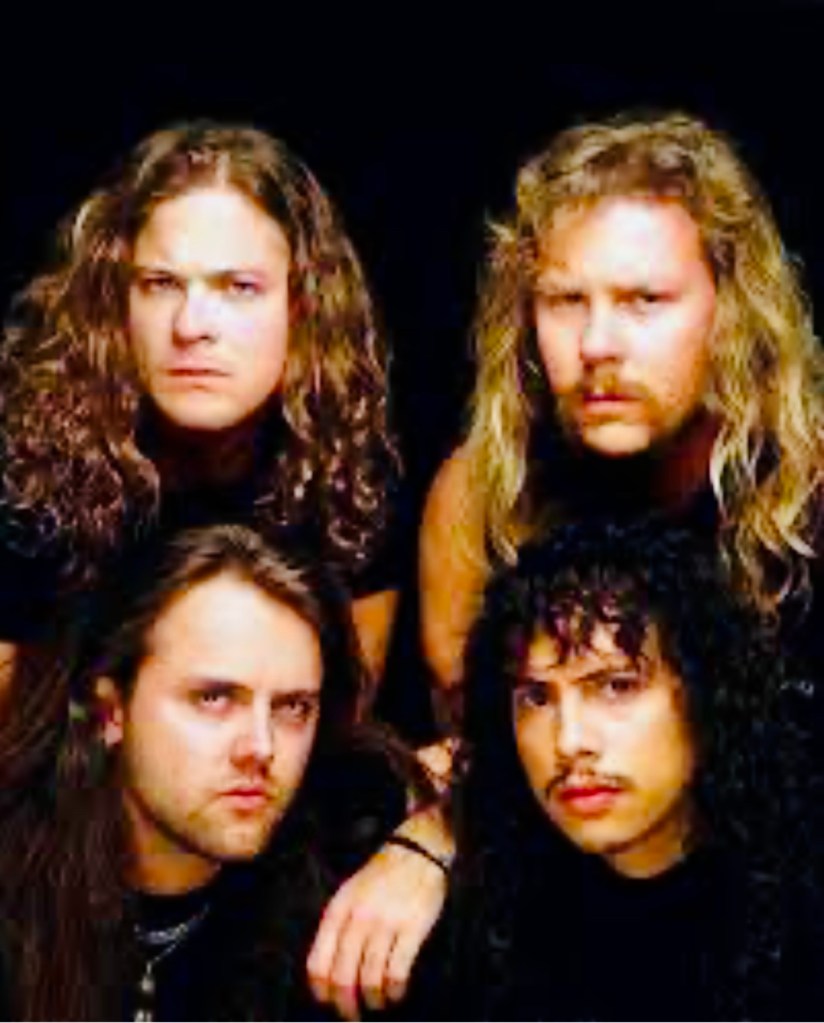
Metallica were the kings of American Thrash Metal in the 80s. They had led the way after their heavily NWOBHM influenced debut Kill Em All laid the blue print for a Bay Area sound which would also produce the likes of Megadeth, Slayer and Exodus, before producing two masterpieces of the genre with Ride The Lightning (1984) and Master Of Puppets (1986). However tragedy would sadly strike for the band, as while travelling in Europe on the Master Of Puppets tour their bus skidded in ice and crashed, killing their legendary bass player Cliff Burton.
He was replaced by Flotsam & Jetsom’s Jason Newsted before their fourth album … And Justice For All (1988) signified a changing in times, as despite staying largely within their Thrash roots, the record produced a music video for the song ‘One,’ which became a monster hit for the band on MTV. This new found commercial success would provide the catalyst for what would come next, and despite alienating some purist fans of the underground Metal style they had helped establish, Metallica would next produce their career defining work in 1991.
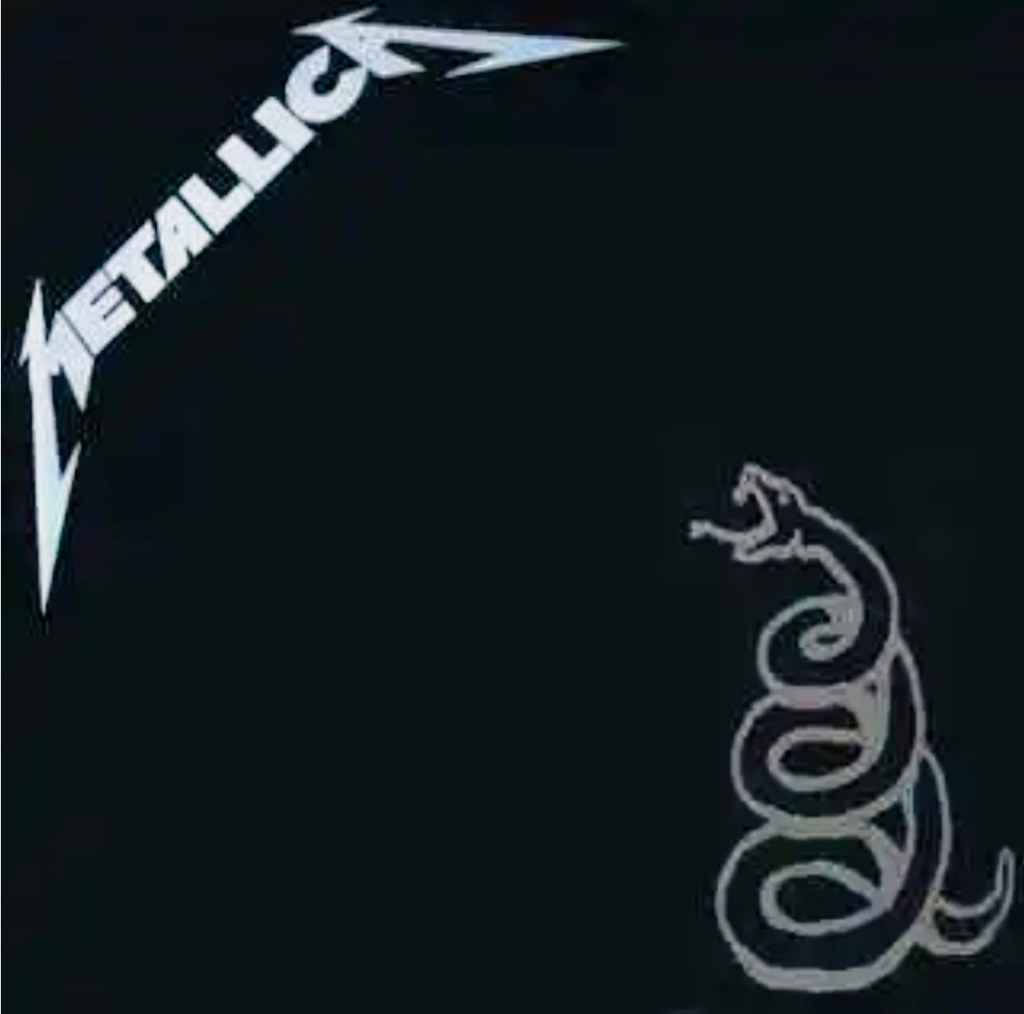
The self-titled, but often referred to ‘Black’ album began a departure away from the purist Thrash Metal sound that would continue until they revisited their roots with Death Magnetic in 2009. This was however Metallica creating pure Heavy Metal and producing a collection of songs that are staples of their live sets to this day, on a record that to date has sold over a staggering 30 million physical copies.
Opening with the iconic riff of ‘Enter Sandman’ which was written by Dave Mustaine’s replacement lead guitarist Kirk Hammett, the record flows through a collection of stomping songs including ‘Sad But True’ ‘Wherever I May Roam’ and ‘Of Wolf And Man’, while also beautifully dropping the pace and providing two emotionally deep and iconic melodic Rock songs with ‘The Unforgiven’ and the powerfully sublime ‘Nothing Else Matters.’ Metallica is a metal album that has unquestionably engrained itself on popular culture while managing to remain timeless, and is a class act from beginning to end.
1992 : Pantera – Vulgar Display Of Power
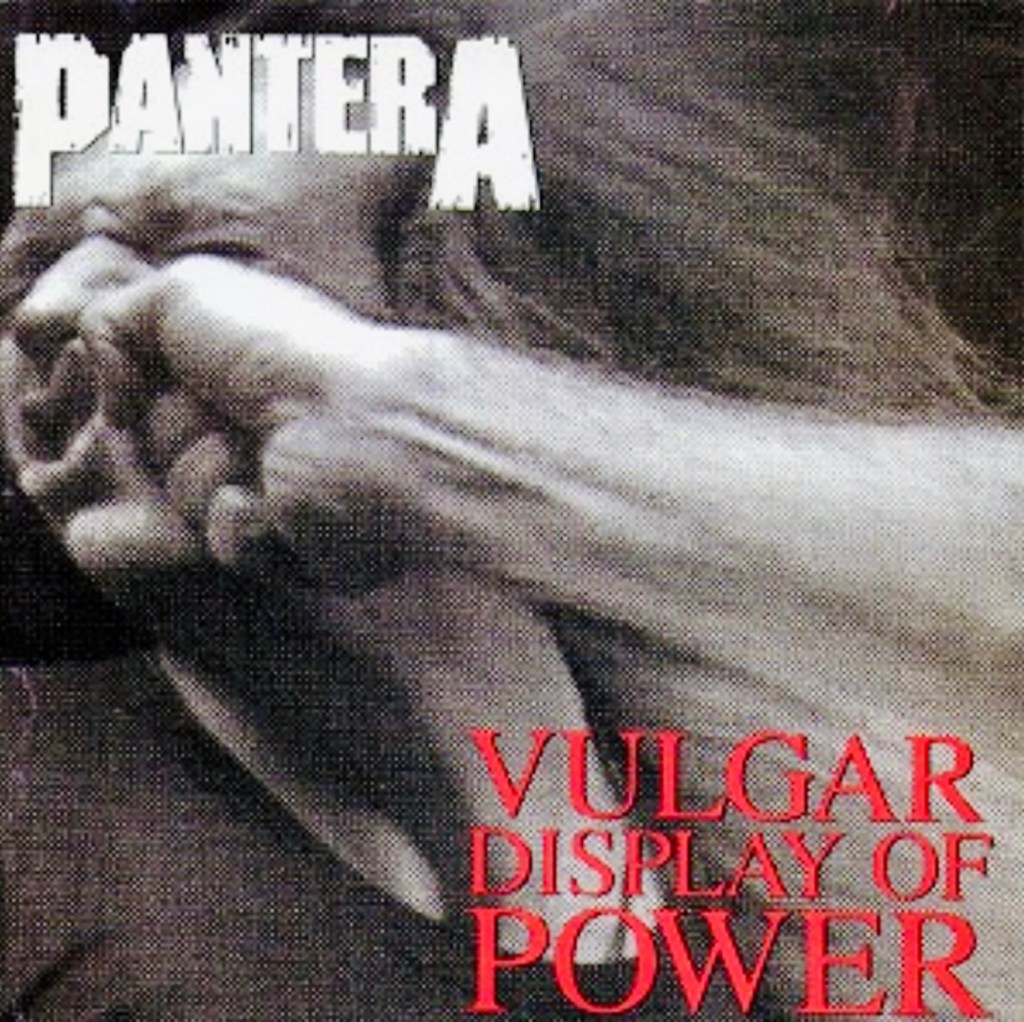
While Metallica and Megadeth had been posturing as the two biggest selling Thrash Metal artists of the 80s, before both releasing the most successful albums of their careers at the beginning of the 90s, a new band were about to cement themselves as kings of a heavier and more aggressive Groove-Metal style. Pantera were born out of a Texas Hard Rock scene in the mid 80s, as brothers Diamond Darryl Abbot (guitars) and Vinnie Paul Abbot (drums) teamed up with Rex Brown (bass) and singer Terry Glaze, to establish themselves through constant gigging as one of the premier bands in the area.
Origonally playing in much more of a Van Halen / Motley Crue style, Pantera started to become more influenced by the Thrash Metal scene and the likes of Slayer. Their song writing started to change and they realised a new vocalist was required to help them move them into a new era. In stepped New Orleans based Phillip H. Anselmo, a ferocious vocalist who’s style was much more influenced by Hardcore and the sludgy Doom / Stoner bands of his home town … and the rest was history. The new look Pantera signed a record deal after independently releasing four albums, and delivered their seminal Cowboys From Hell record in 1990.

An album that delivered their first true realisation of the Groove-Metal sound that they would dominate the following decade with. But it would be with their follow up Vulgar Display Of Power two years later, that the heavy music innovators would really cement their legacy with their defining work. This record is a pure masterclass in delivering an extreme form of Heavy Metal that also maintained a commercial edge, and saw them reach a whole new level in terms of touring and record sales, while also staying true to a Metal sound that was starting to become a little unfashionable due to the rise of the Alternative / Grunge Rock sound of bands like Nirvana and Pearl Jam.
This is an album that hits like a juggernaut from start to finish. ‘Mouth Of War’ kicks the LP off with a sumptuous riff from Dimebag (as he was now then known) with the snarling vocals of Anselmo dominating the song. Dimebag’s guitar tone is electrifying throughout, really finding his signature sound on Vulgar Display Of Power, abusing his whammy bar throughout mind bending solos and utterly perfecting the fine art of shredding! ‘A New Level’ is an absolute bomb of a track while ‘Walk’ provides an instantly recognisable marching rhythm that became a highlight of their live sets thereafter. Elsewhere ‘This Love’ showcased a maturity in songwriting reminiscent of their classic ‘Cemetary Gates’ from Cowboys From Hell.
1993 : Sepultura – Chaos AD
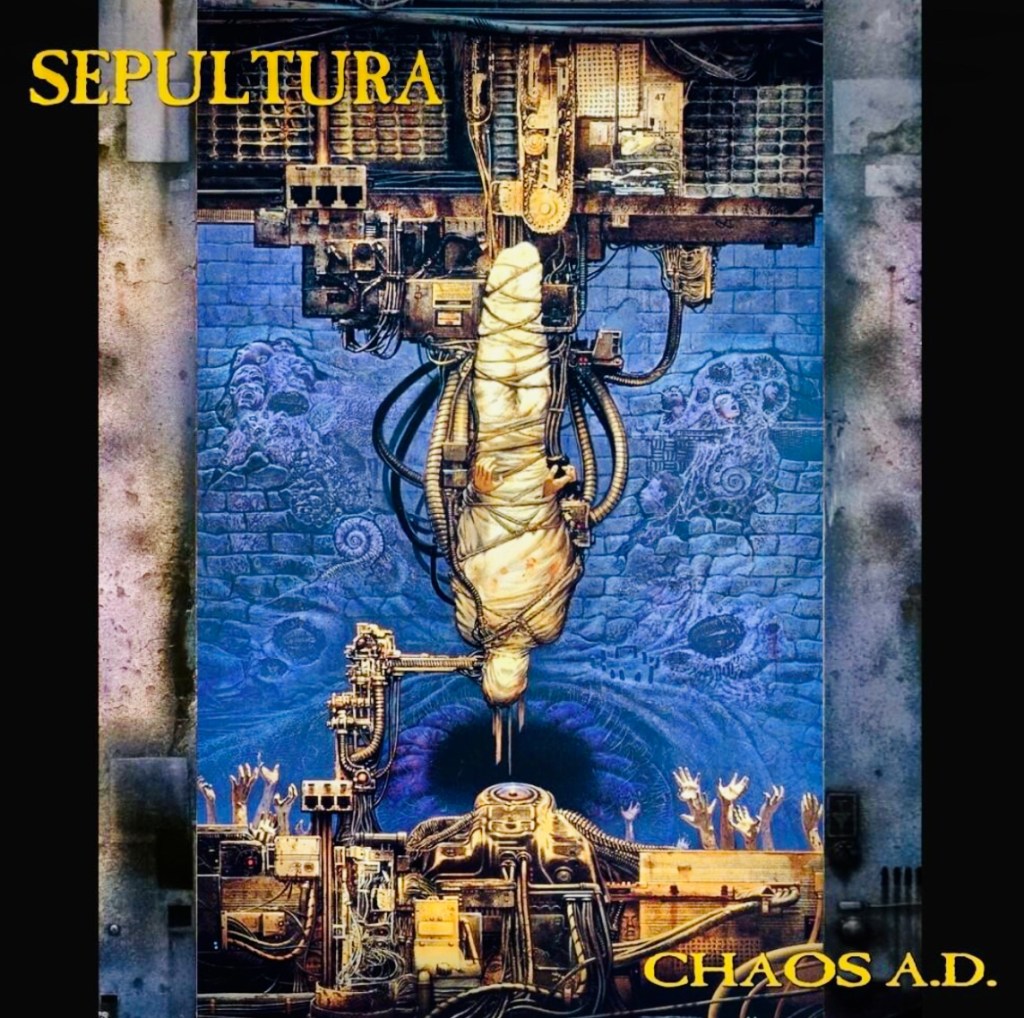
In 1993 Sepultura were already nearly a decade into their legendary career and had broken out of their native Brazilian scene following the reputation gained from releasing their second album Schizophrenia (1987). A move to America and the release of two further classic Thrash Metal records, Beneath The Remains (1989) and Arise (1991), saw their career take a giant leap forward while establishing themselves as one of the leading bands in the genre. Sepultura were poised to break through to the big time, and with the release of Chaso Ad in 1993 they did just that.
Perhaps influenced by the emergence of Pantera who were purveying their new Groove-Metal style, releasing two albums that had made them the undisputed kings of heavy music, Sepultura decided to take a heavy swing in that direction. But they also added something unique that Pantera could not by injecting the tribalistic elements of their homeland into the music. Chaos AD was totally unique at the time, still holding up now as one of the best records of the era bar none and featuring lyrics that were anti-war and politically motivated.

From the iconic opening of ‘Refuse/Resist’ with vocalist / guitarist Max Cavalera shouting “Chaos AD!” you know that Sepultura meant business. The rolling riffs are incredible on tracks such as ‘Territory’ and ‘Nomad’, and on ‘Amen’ they also showed maturity and signs of a proto Post-Metal style with a succession of un-repeating riffs and downbeat moments. This experimental vibe continues with the acoustic and tribal ‘Kaiowas’ and on the largely instrumental and doomy ‘We Who Are Not As Others,’ while the use of samples littered throughout also convey this early Post style.
‘Propaganda’ harks back to their Thrash days but with a raging Hardcore influence, and continuing this theme they had Punk legend Jello Biafra (Dead Kennedys) guest vocals on ‘Biotech Is Godzilla’. Igor Cavalera’s incredibly intricate drumming and intriguing use of percussion stands out throughout the record, while the short sharp blasts of Andreas Kisser’s guitar soloing still maintained moments of their early Death – Thrash Metal sound.
1994 : Korn
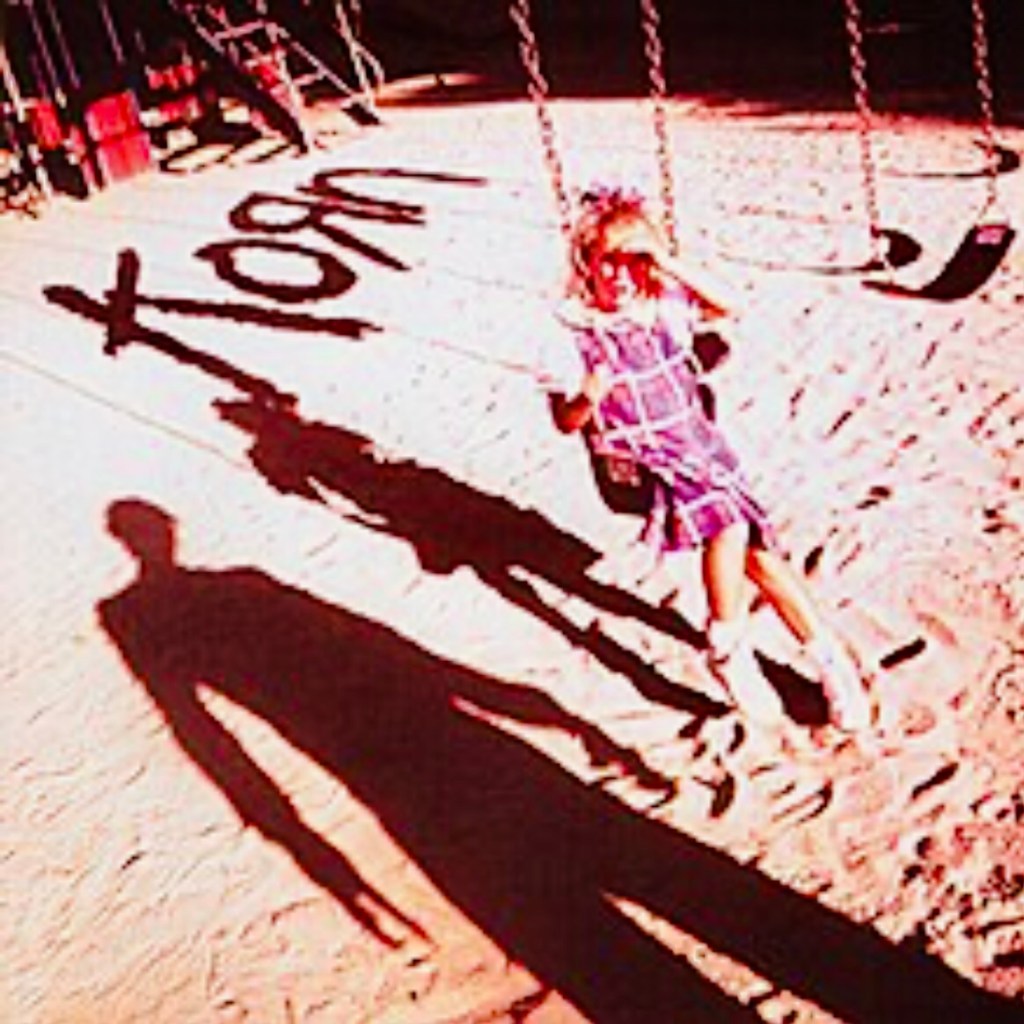
In 2014 Rolling Stone magazine named Korn as the most important Metal record of the last 20 years. And the Californian bands debut self-titled album released a year after their inception in 1993 can be considered so for good reason, as it all but kick started a whole new music genre that would rise to prominence and become the next big commercial success in Metal across the following decade. Korn arrived at a change in the musical landscape as the Seattle / Grunge scene that had taken over at the beginning of the decade was beginning to mature, with the death of Kurt Cobain very much signalling the end of an era. While heavier bands such as Pantera and Sepultura were beginning to alter their sound into the Groove Metal style.
Korn delivered that Groove style in abundance and with the help of record producer extraordinaire Ross Robinson, delivered a fresh take by seriously down-tuning two 7-string guitars to produce subterranean sounding riffs. They mixed in a heavy influence of Hip-Hop specifically, with the beats and rhythms of Dr Dre sounding prominent within the bass work of Fieldy and percussion of David Silveria, while also finding a unique vocalist in Jonathan Davis who could scream with the best of them, while also providing a soulful croon inspired by his love of 80s New-Wave. With this mix-mash of styles Nu-Metal was born, and this record’s influence on the sound purveyed by the likes of Deftones, Limp Bizkit, Coalchamber and Linkin Park is undeniable.
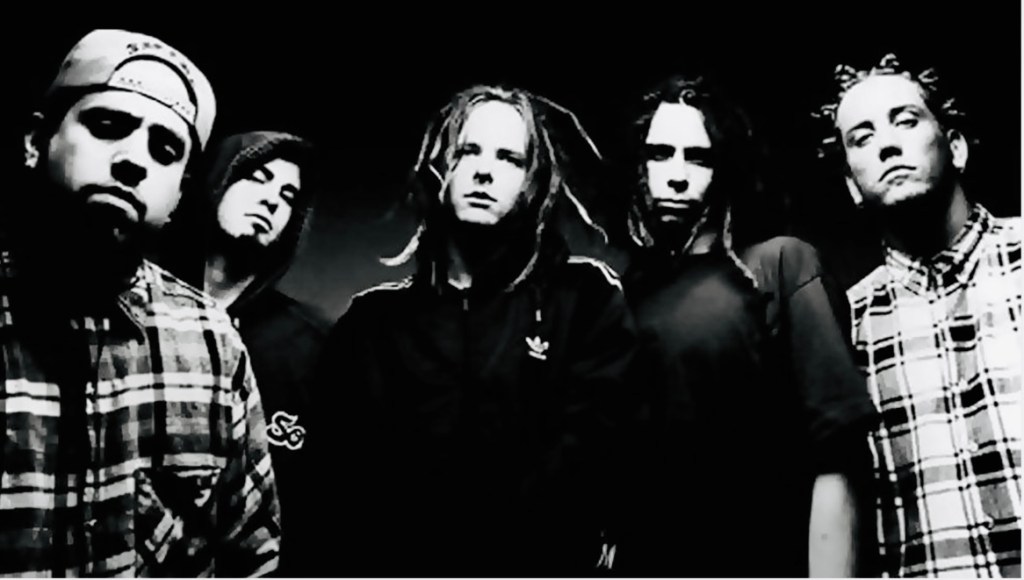
Korn opens with the iconic riff of ‘Blind’ and Jonathan Davis asking “Are you ready!?” before the sludgy down-tuned groove drops like a rollercoaster. The sound created by Ross Robinson is absolutely sublime and this record would also kickstart his career and paramount position within the Nu-Metal scene as the go to guy for recording. Sepultura would also bring him in for their next record Roots, having been blown away by hearing what he created with Korn here. No-one had heard anything quite like this before with the sum of Korn’s parts perfectly aligning for this fresh new sound.
The Hip-Hop influence on the rhythm section and Davis’s scatty vocal style is prominent on ‘Ball Tongue,’ while his tortured straining singing style on ‘Need You’ provides a catalyst for much of what is to come, as he dives deep into lyrical melancholy exploring themes including teenage bullying on ‘Clown’ and ‘Faget,’ as well as child abuse on the mesmerisingly dark ‘Daddy.’ Korn’s songs are adventurously structured throughout this debut, often providing drops which they build up with a crescendo of Davis’s vocals into a beautiful cacophony of noise once again, a technique in which they could perfectly orchestrate whipping their crowds into a frenzy during their live shows.
1995 : White Zombie – Astro-Creep: 2000
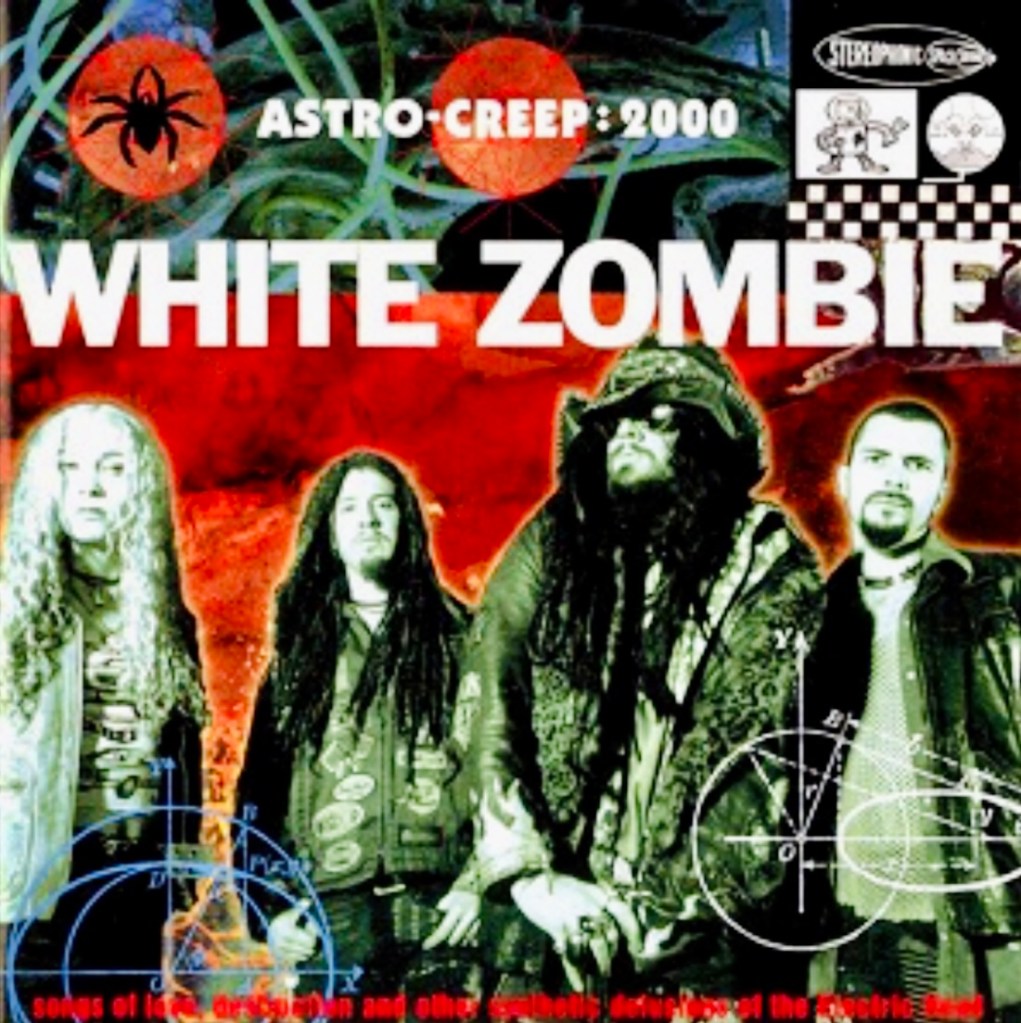
As the 90s rolled on an Industrial influence in Rock and Metal had found success with bands such as Nine Inch Nails and Ministry, and in 1992 New York’s White Zombie had come to some prominence with the release of their third album La Sexorcisto: Devil Music Volume One and the songs ‘Thunder Kiss 65’ and ‘Black Sunshine’ which had been hits on MTV. White Zombie were a unique offering as they purveyed an Industrial style mixed with a Trashy Punk kind of Metal, while littering their songs with B-Movie samples with a thoroughly theatrical-Horror esq image to boot.
Named after the 1932 Bela Lugosi movie, White Zombie were formed way back in 1985 by their charismatic frontman Rob Zombie and released their debut LP Soul-Crusher in 1987. When they broke through in ‘92 with their third album and the first on major label Geffen, they had added guitar wizard Jay ‘J’ Yuenger to a line up that also included bassist Sean Yseult and drummer Ivan de Prume. By this time they had honed the sound that would make them famous, and unquestionably stood out from the crowd as at the time there was just no one else quite like them.

In 1995 they would deliver the perfect stylistic accompaniment to La Sexorcisto with their quintessential release and climax of the bands creativity. Astro Creep: 2000 would be their last record before Rob Zombie decided he needed to take his vision into a solo project, a wave he has been riding ever since. Drummer John Tempesta (ex Exodus / Testament) would replace the departing De Prune, and White Zombie would use more samples as well as increasing the Industrial / Electro influences that were introduced on their previous album.
The record opens with the sample “Perhaps we’d better start at the beginning” before launching into the thundering Industrial groove of ‘Electric Head Pt. 1 (The Agony)’. ‘Super-Charger Heaven’ is one of Zombie’s finest songs with Rob’s chorus of “Devil-Man, Devil-Man calling!” instantly recognisable alongside J’s down-tuned slide guitar riffing. They drop the pace on ‘Real Solutiom #9’ which opens with another fine sample repeating “I’m already Dead!” and some further sumptuous slide guitar work. ‘Electric Head Pt. 2 (The Ecstacy)’ is another classic and the record is littered with the bands finest work, and none less so on the masterful ‘More Human Than Human,’ with its Blade Runner inspired lyrics and samples.
1996 : Tool – Ænima
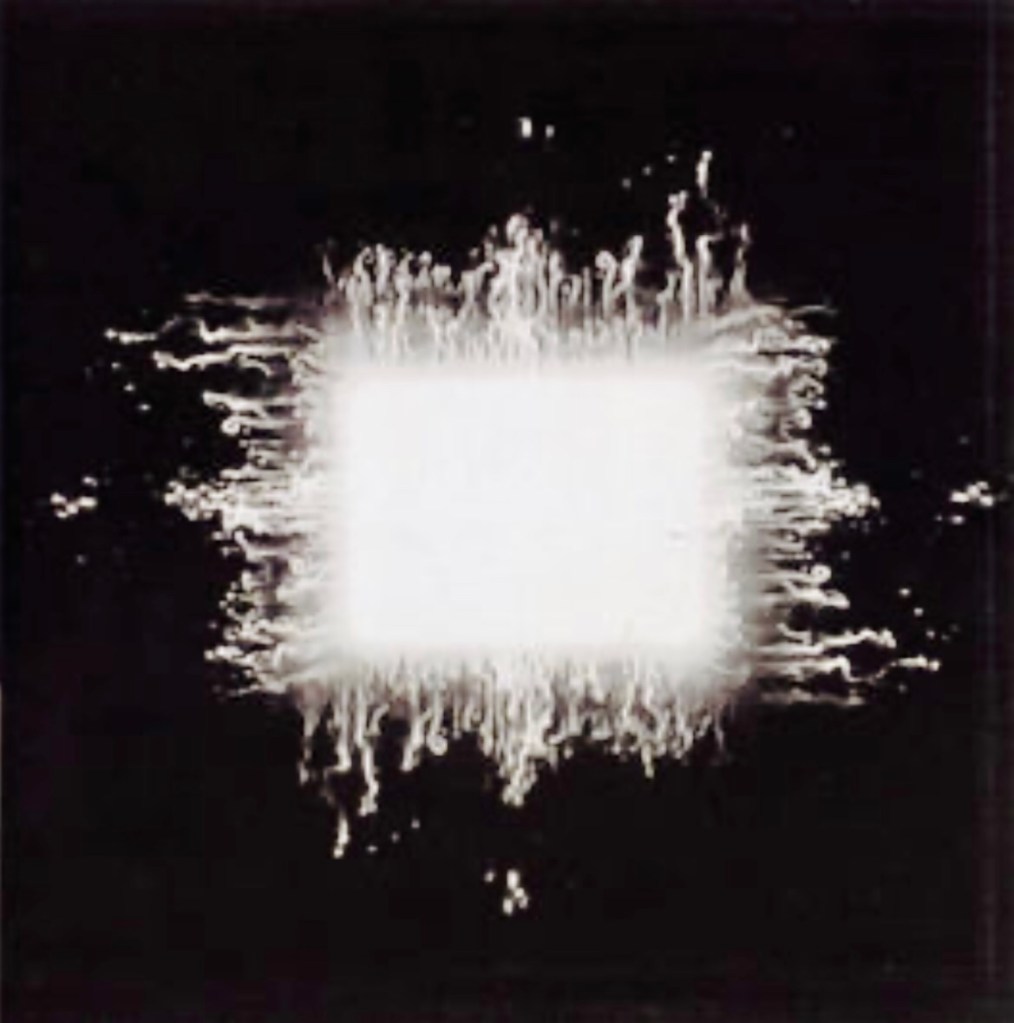
Tool were another band who stood out among the emerging Alternative Rock & Metal scenes of the early 90s as a collection of extraordinary musicians who were creating a unique sound all of their own. Formed in LA in 1989, guitarist Adam Jones and singer Maynard James Keenan would join forces with drummer Danny Carey and original bassist Paul D’Amour, testing the water with their debut EP Opiate in 1992, before their first full length album Undertow arrived a year later.
A fine collection of songs, high profile gigs including a slot on the 1993 Lollapalooza tour, support from MTV and a growing level of intrigue fuelled by controversial lyrical themes, saw Tool rise to prominence. And following a change in bass player with D’Amour leaving and Justin Chancellor coming in, they would eventually drop Ænima in 1996. A record that would prove to be a complete game changer for Progressive Alternative-Metal, and the record that would propel Tool to the big time.
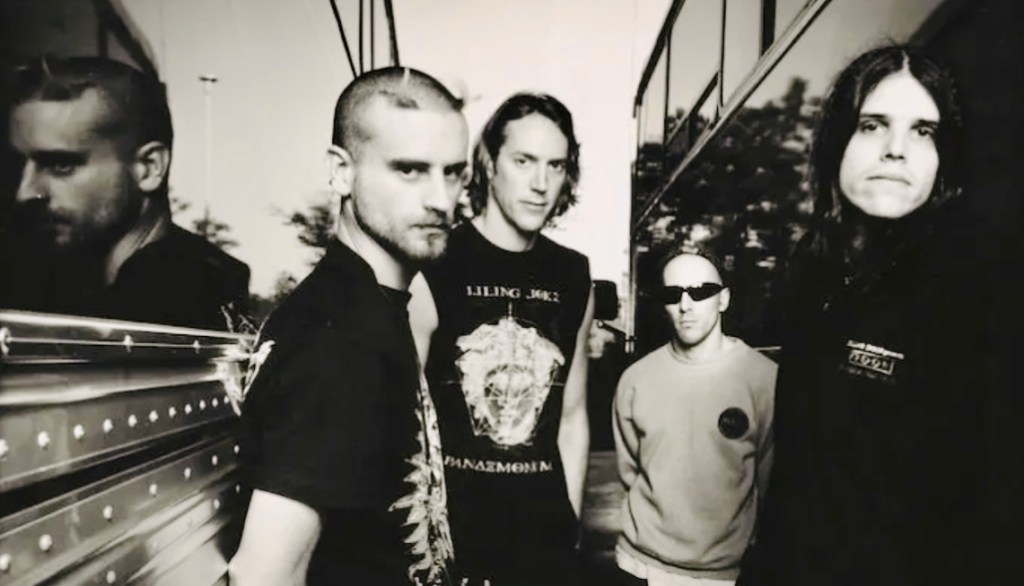
Ænima opens with one of the greatest Alternative-Metal songs from the era, the controversially titled ‘Stinkfist’ complimented by a memorable video created by guitarist Adam Jones, which received heavy air play at the time. The song is a sublime composition with the sum of Tool’s parts coming together to create a special sound that was mesmerising and wholly individual, with the tribalistic rhythm section, hypnotic guitars and soaring vocals all perfectly combining throughout.
And as a progressive entity Tool took this element of their sound into a whole new territory, taking their time to eloquently build beautifully slow burning tracks such as ‘Eulogy’ ‘H.’ ‘Forty Six & 2’ ‘Pushit’ and the epic ‘Third Eye,’ which samples verses from and pays tribute to the late controversial comedian Bill Hicks. As Ænima progresses Tool show elements of their heavier side on songs such as the imaginatively titled ‘Hooker With A Penis’ and the clanking Industrial Rammstein – esq ‘Die Eier Von Satan,’ while the title track is another pure bonafide Tool classic.
1997 : Deftones – Around The Fur
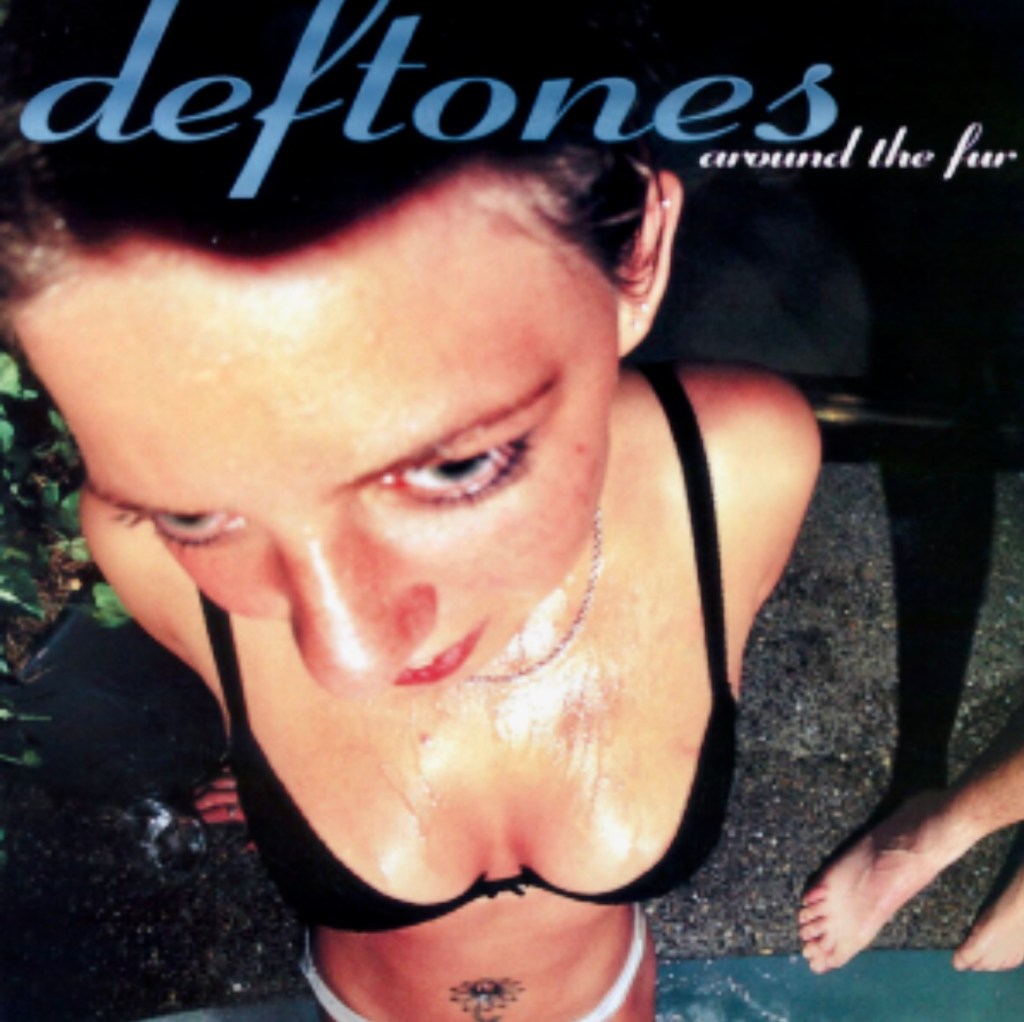
While Korn were laying the groundwork for Nu-Metal when their debut album exploded in 1994, fellow LA natives Deftones were putting the finishing touches to launching their own debut Adrenaline in 1995, after signing with Madonna’s Maverick Records. The similarities in style to Korn were apparent on Adrenaline with the band taking influence from the Hip-Hop / Skate scene, down-tuning their guitars, and writing songs around an extraordinary vocalist who had the range to both eloquently sing, and deliver tortured screams.
Chino Moreno was influenced by a blend of Hardcore-Punk and New-Wave bands such as Depeche Mode, while his childhood friend and guitarist Stephen Carpenter had a Thrash-Metal background. And the two musicians started playing together with drummer Abe Cunningham around 1988 while still in high school. Adrenaline which was produced by engineering wizard Terry Date (Pantera / White Zombie) blew up for the band as it landed in the perfect evolving musical climate for them. Anticipation was high for the release of their follow up Around The Fur when it dropped in 1997 … and Deftones did not disappoint!

Opening with hypnotic guitars and the soulful crooning of Moreno, ‘My Own Summer (Shove It)’ eventually explodes into life with a crunching riff and an exquisite distinction between the contrasting vocal tones of the verse and chorus. ‘Mascara’ is deeply melodic and melancholic, while the chorus of the title track is powerfully heavy as Moreno lets rip with some truly blood curdling vocals.
‘Rickets’ and ‘Lotion’ provide fine examples of some of Deftones heaviest work, as does ‘Headup’ which features guest vocals from Max Cavalera. An artist who was transitioning after leaving Sepultura, with the song providing him the inspiration for titling his new musical project with his screamed lyric of “Soulfly!” Beyond The Fur also provides moments of pure blissful song-writing and clean singing on both ‘Be Quiet And Drive (Far Away)’ and ‘Dai The Flu,’ hinting at the Shoegaze elements that would become more prominant in their later work.
1998 : Meshuggah – Chaosphere

Meshuggah are a highly innovative band of the Metal world, who helped shape new paths from the extremities of the Death-Metal sound so prominent in in their native Swedish scene during the early-mid 90s. Their extraordinary uniqueness would eventually see them establish a cult following, and after signing with Nuclear Blast Records Meshuggah would release their debut album Contradictions Collapse in 1991.
Guitarist Mårten Hagström was brought in to accompany Fredrick Thordendal so that Jens Kidman could drop the instrument and focus on his lead vocals, while drummer Tomas Haake was also brought into the fold and would write the majority of the bands visionary lyrics. In 1995 Meshuggah would follow up their debut with Destroy Erase Improve, which began to introduce more abstract ideas and tempos into their music. And the band would further increase their profile with a European tour slot in support of Machine Head, who were pulling in huge crowds at the time.

Then in 1998 Meshuggah would evolve their sound onto a whole new level with the release of Chaosphere, a record that would prove to be a huge inspiration for the rhythmically experimental D-Jent style of Metal. The album sets the phrenetic and relentless pace with the juddering buzz saw riff on ‘Concatenation’ perfectly complimenting the abrasive vocals of Kidman and juddering percussive rhythms. The atmospheric Sci-Fi like guitar leads would become a trademark of Meshuggahs’s sound and provided a futuristic Industrial feel to the bands style.
Chaosphere flows through ‘New Millenium Cyanide Christ’ with its marching machine gun like tempo, into the infectious groove of ‘Corridor of Chameleons’ and the wonderful chugging of ‘Neurotica’, one of the stand out moments from Meshuggah’s long career. While the consistent high quality is evident throughout ‘The Mouth Licking What You’ve Bled’ and ’The Exquisite Machinery Of Torture,’ which are both absolute bangers. Chaosphere closes with the Avantgarde musings of ‘Elastic’ the most adventurous and experimental cut on the record, showing the potential for just how forward thinking their song writing would become on later records.
1999 : Slipknot

As the 90s drew to a close the musical landscape was changing once again and buoyed by the success of the likes of Korn, Deftones, Limp Bizkit and System Of A Down … Nu-Metal was king and the unquestionable money maker at the time. The possibilities were endless with no boundaries as to where the music could go or what influence it could take on, but in 1999 with the arrival of Slipknot the genre was about to be taken in an all more extreme direction.
Slipknot were a theatrical band made up of nine masked individuals who wore prison style boiler suits on stage, and with each elusive member given a number rather than a name. Their music was loud and abrasively heavy but with some fantastic melodies on songs that stuck long in the memory, as they combined tribal percussion with a blend of the extremities of Death-Metal, and the experimentation with Electronica and Hip-Hop from Nu-Metal.
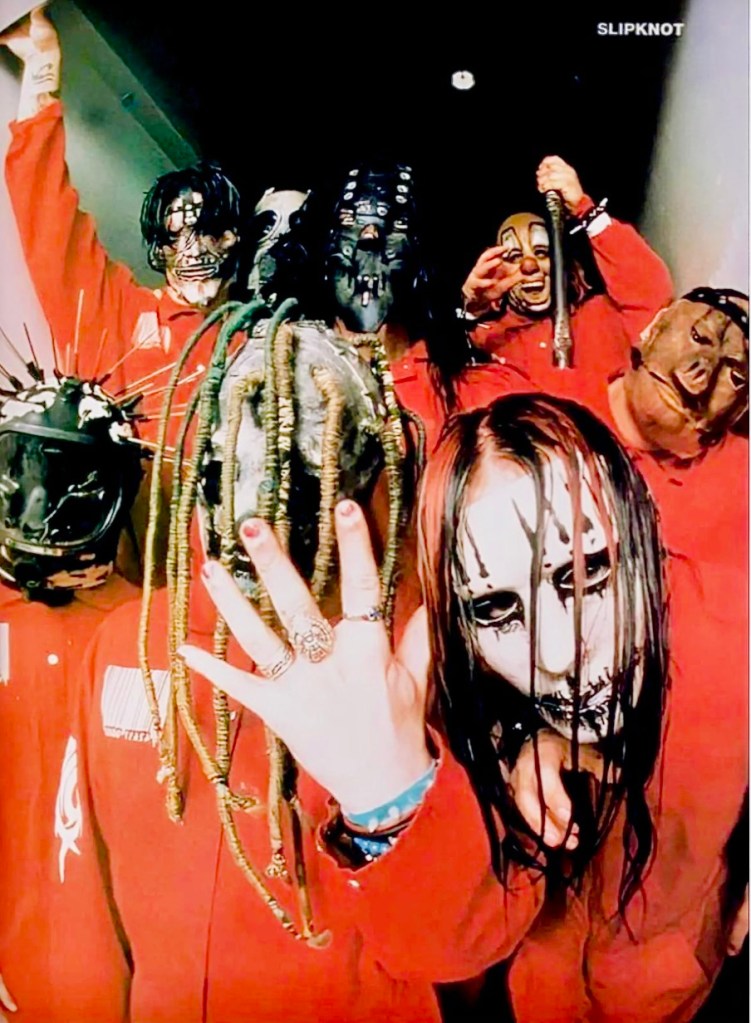
‘(Sic)’ opens their debut record with furious drumming from Joey Jordison alongside sampling and DJ scratching from Sid Wilson. ‘Eyeless’ features more scratching and electro beats alongside tribal drums and stabbing heavy guitars from Mick Thomson. Just a few tracks into their debut it was clear that Slipknot sounded something like early Korn on steroids, with vocalist Corey Taylor also impressively switching up the sound of his voice throughout as he contrasted distinctive screaming with impressive cleaner vocals.
‘Wait & Bleed’ is the perfect example of this mix, with a sumptuous clean vocal hook showing that Slipknot were far from being just a one trick pony. The record progressively gets more experimental as it goes on and it was clear that due to a combination of image, timing and a fantastic new sound, that a band had been unearthed that were going to take over the Heavy Metal scene, as it moved forward into the new millenium.
Words by – Abstrakt_Soul
 kult-zilla.com
Leave a comment